
CBSE class 9 Maths Chapter 7 The Mathematics of Maybe Introduction to Probability is very interesting chapter. Math can be nightmare for some students as it contains complex formula, diagram and involves critical thinking. But some students also enjoy solving complex math problem.
In The Mathematics of Maybe Introduction to Probability Notes students will learn about the chance and uncertainty, experiments, outcomes, events, sample space and coins. These concepts will strength the concept and prepare students for upcoming exam.
The Mathematics of Maybe Introduction to Probability Notes
Important Topics
Random experiment
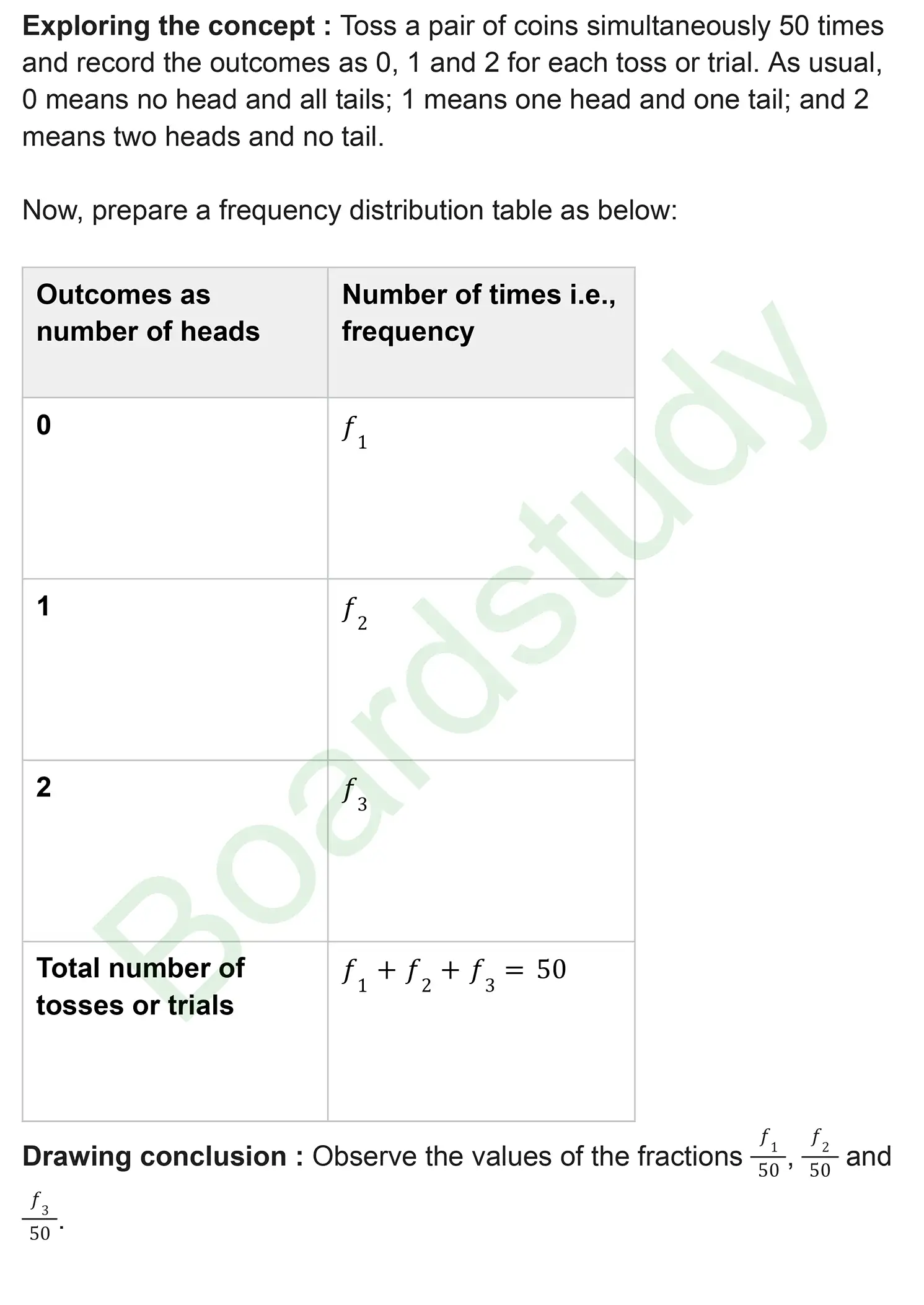
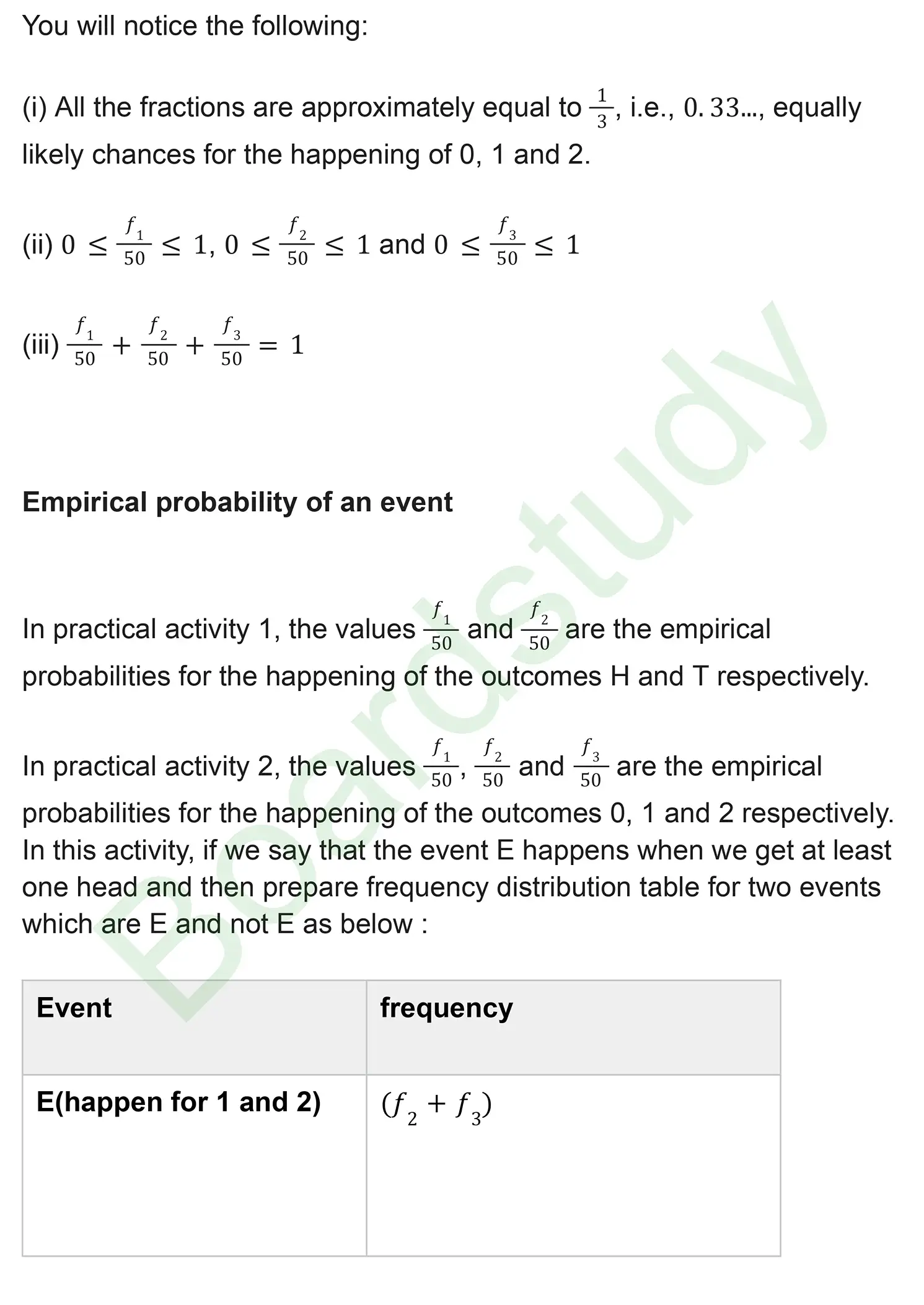
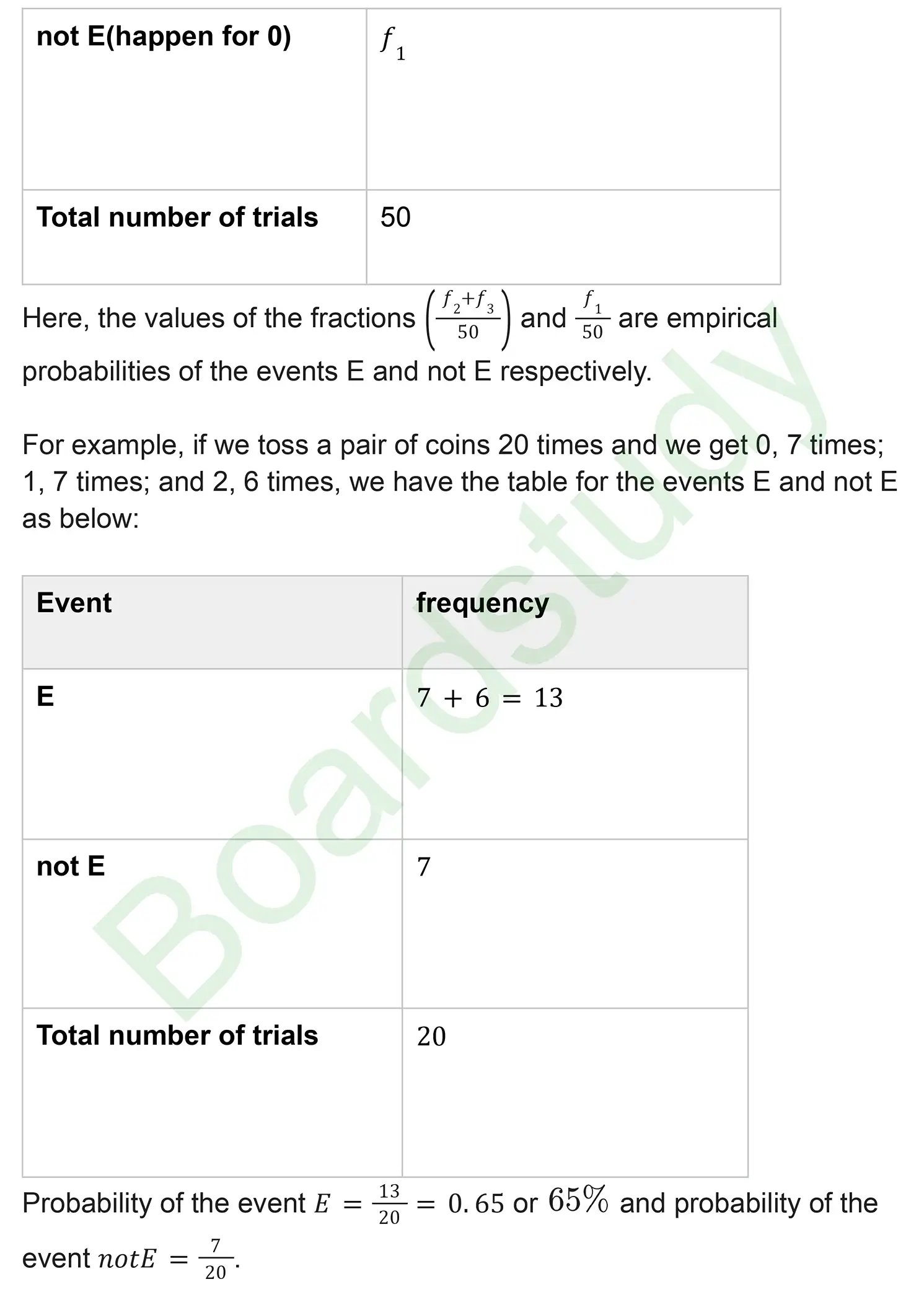
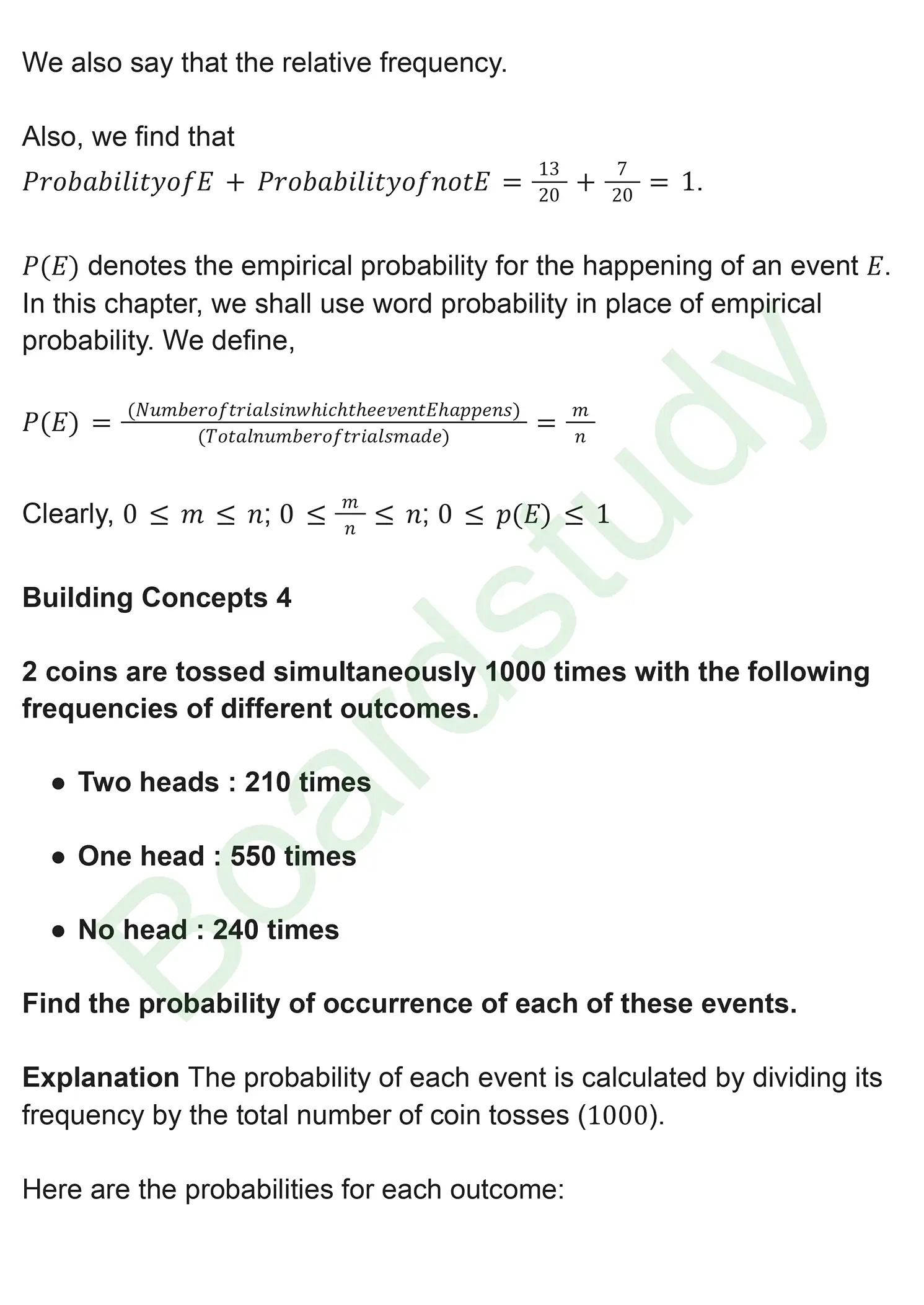
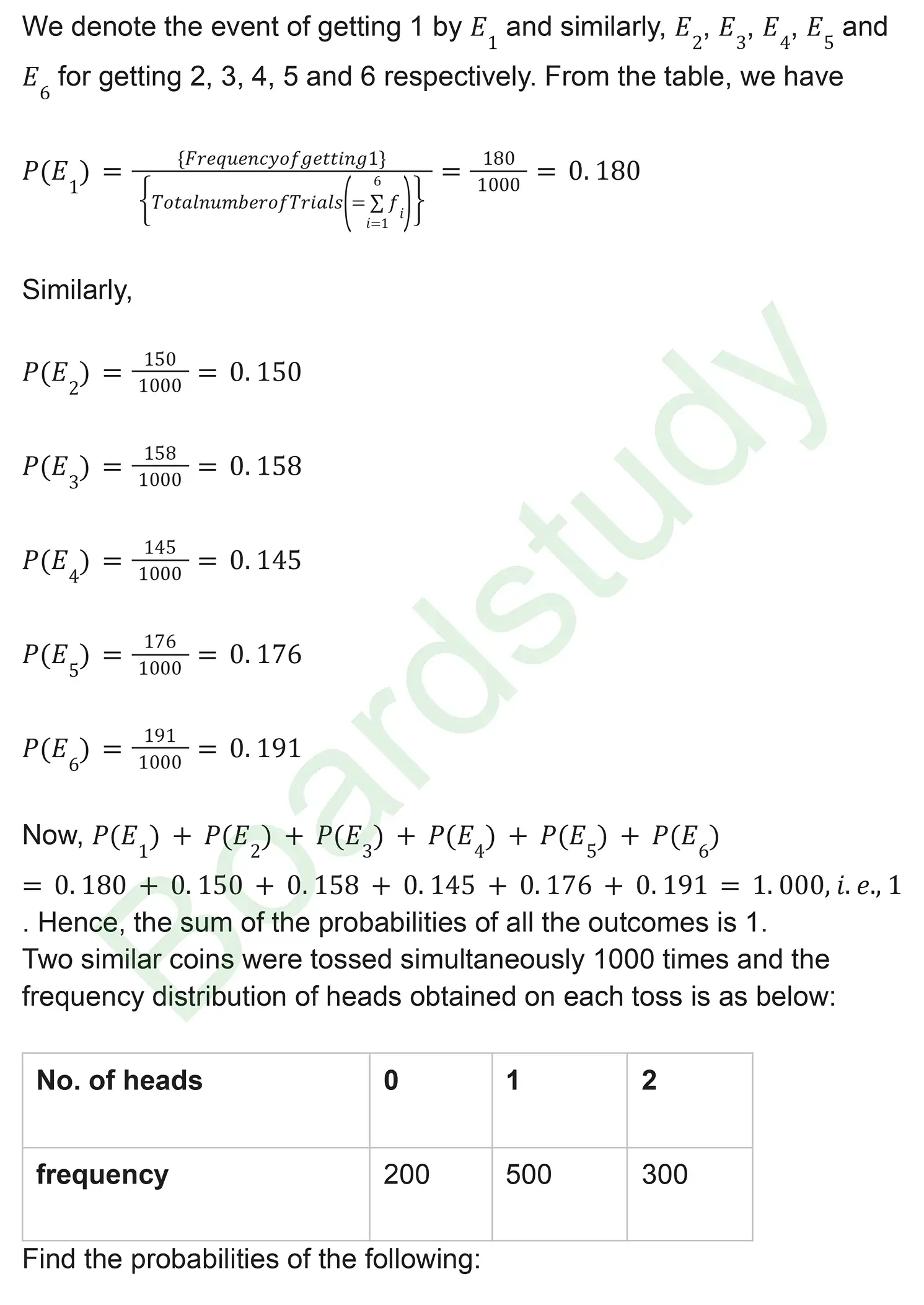
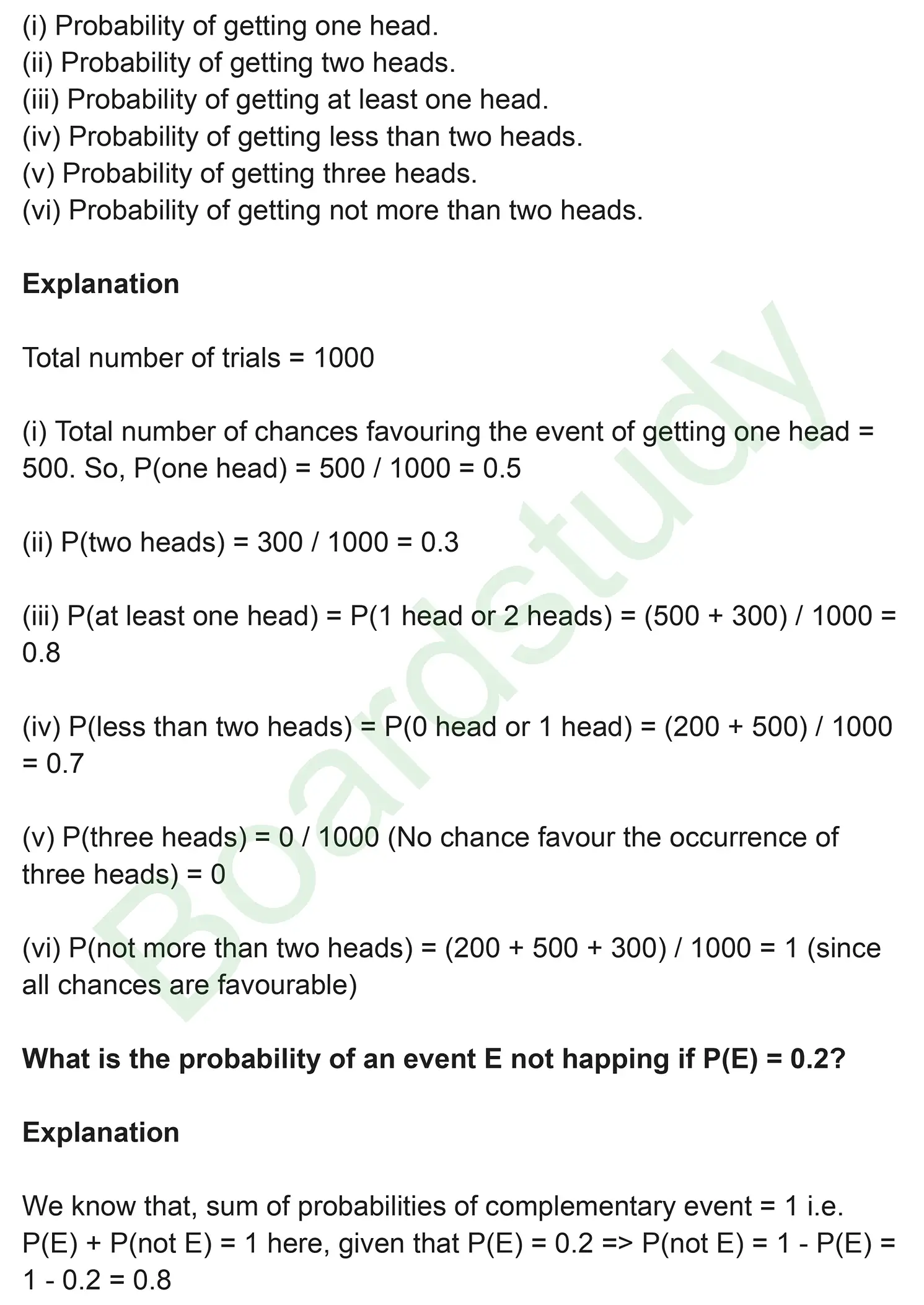
When we perform a random experiment, it is called a trial. For example, if we toss a coin (fair coin) once, the possible outcomes (i.e., results) are H and T. Here, H means head and T means tail. Now, we toss a pair of two similar fair coins and the possible outcome of one toss, i.e., one trial are: (i) Tail on both the coins, i.e., no head. (ii) Tail on one coin and head on the other coin, i.e., exactly one head and one tail. (iii) Head on both the coins, i.e., we get two heads.
Similarly,