

CBSE Students who are preparing for upcoming 12th physics exam must practice this class 12 physics solved PYQ 2025. This will be very helpful for students in their exam preparation. Students can understand the exam pattern, question difficulty and also can do self analysis with the help of this PYQ.
We have also given solutions of each question so that student can cross check their answer. Practising Class 12 physics Previous Year Question papers 2025 before exam can boost confidence in students and students can score better marks in exam. Different set of PYQ has given in this post and CBSE experts have prepared solutions of this PYQ.
Class 12 Physics PYQ 2025 SET 1 Question
Class 12 Physics PYQ 2025 SET 1 Solution
Class 12 Physics PYQ 2025 SET 2 Question
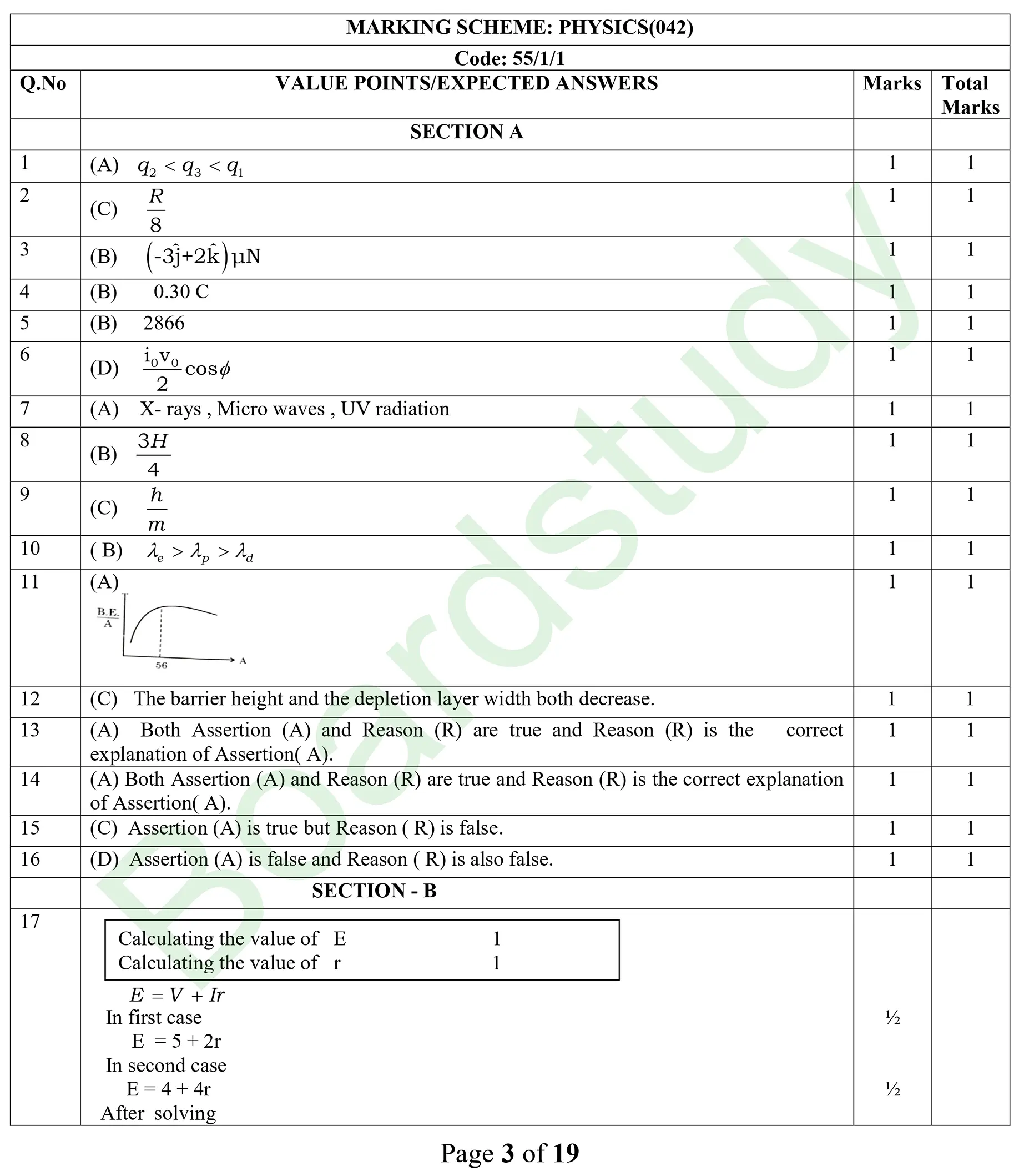
Class 12 Physics PYQ 2025 SET 2 Solution
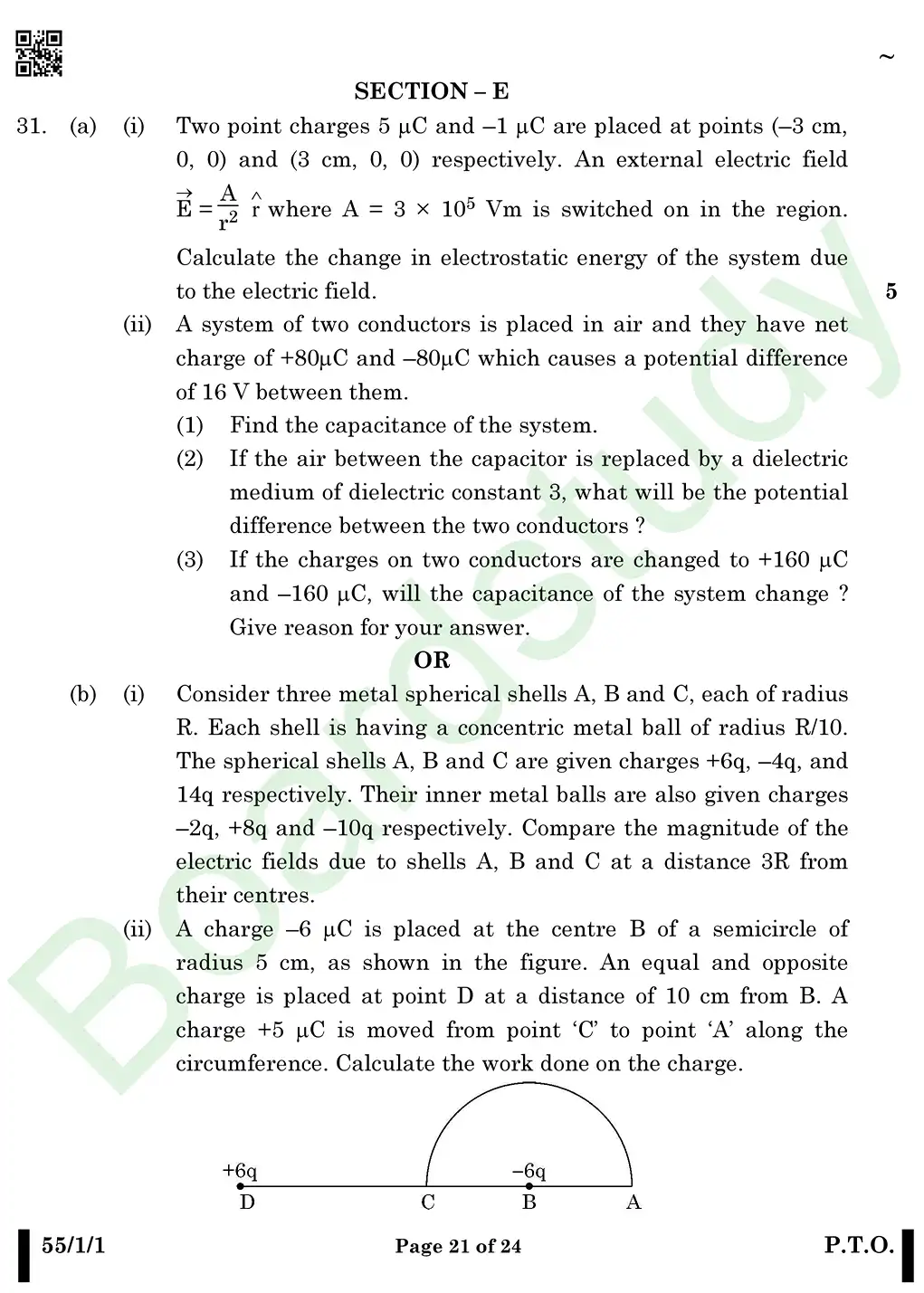
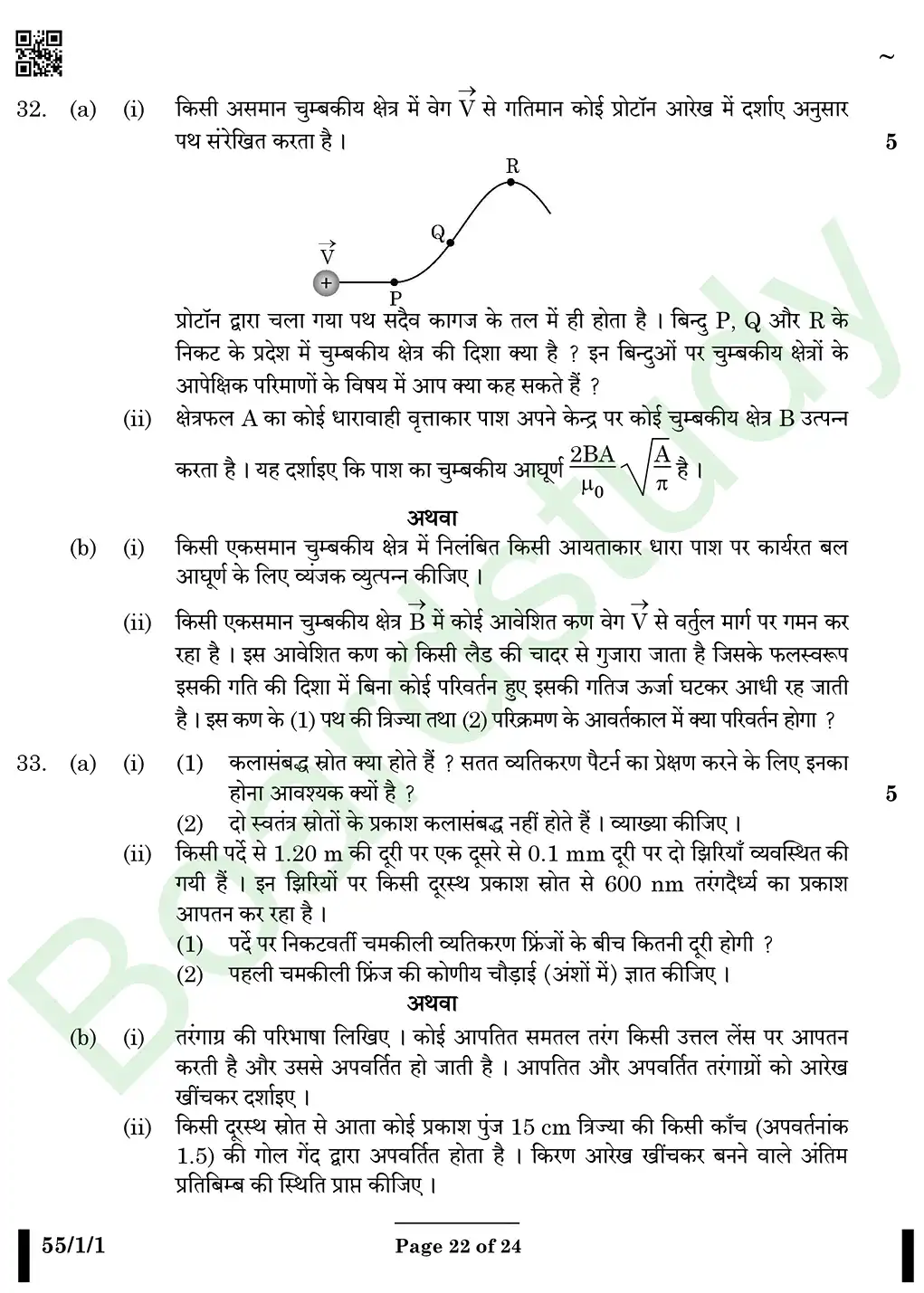
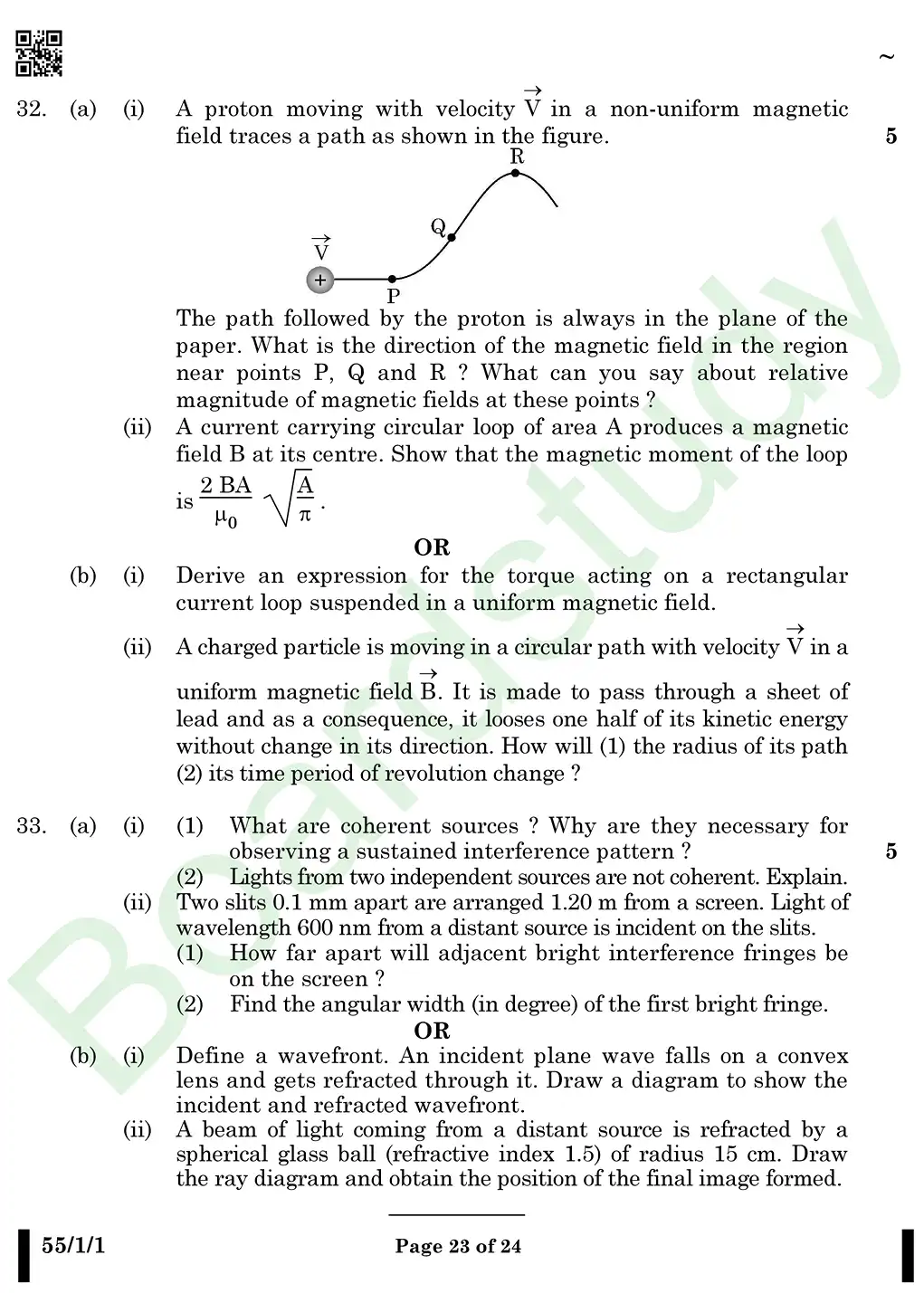
Class 12 Physics PYQ 2025 SET 1 Question
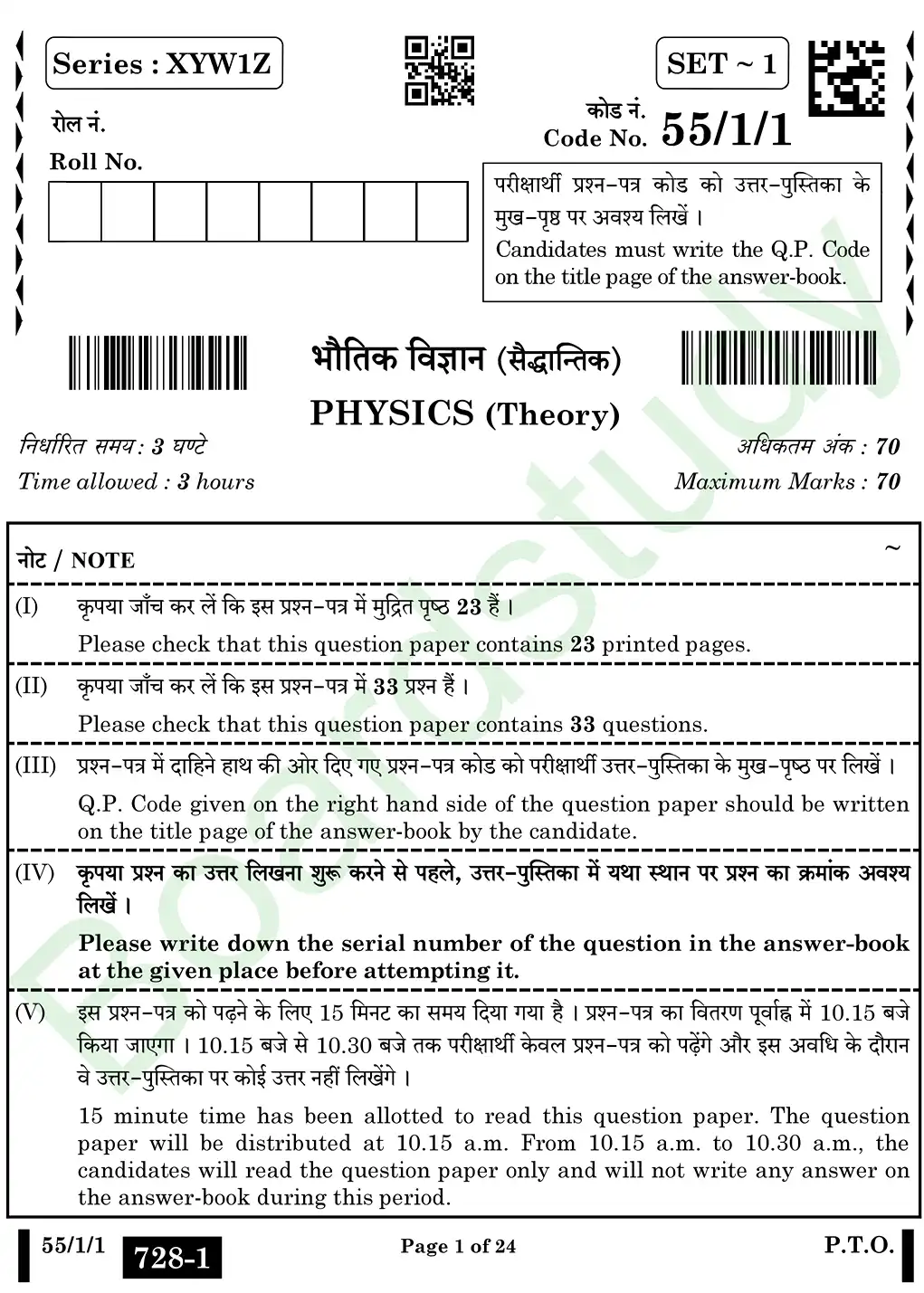
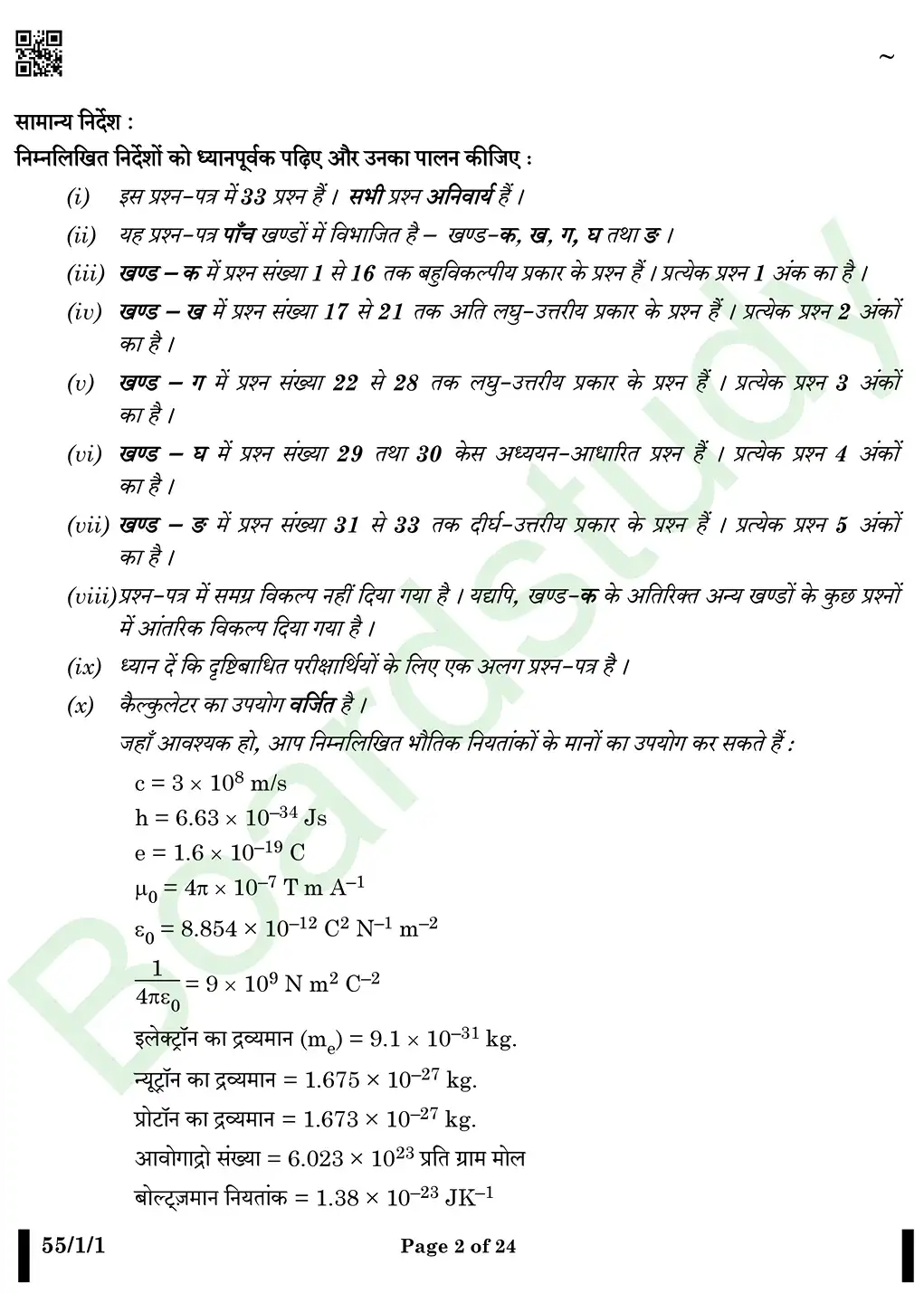
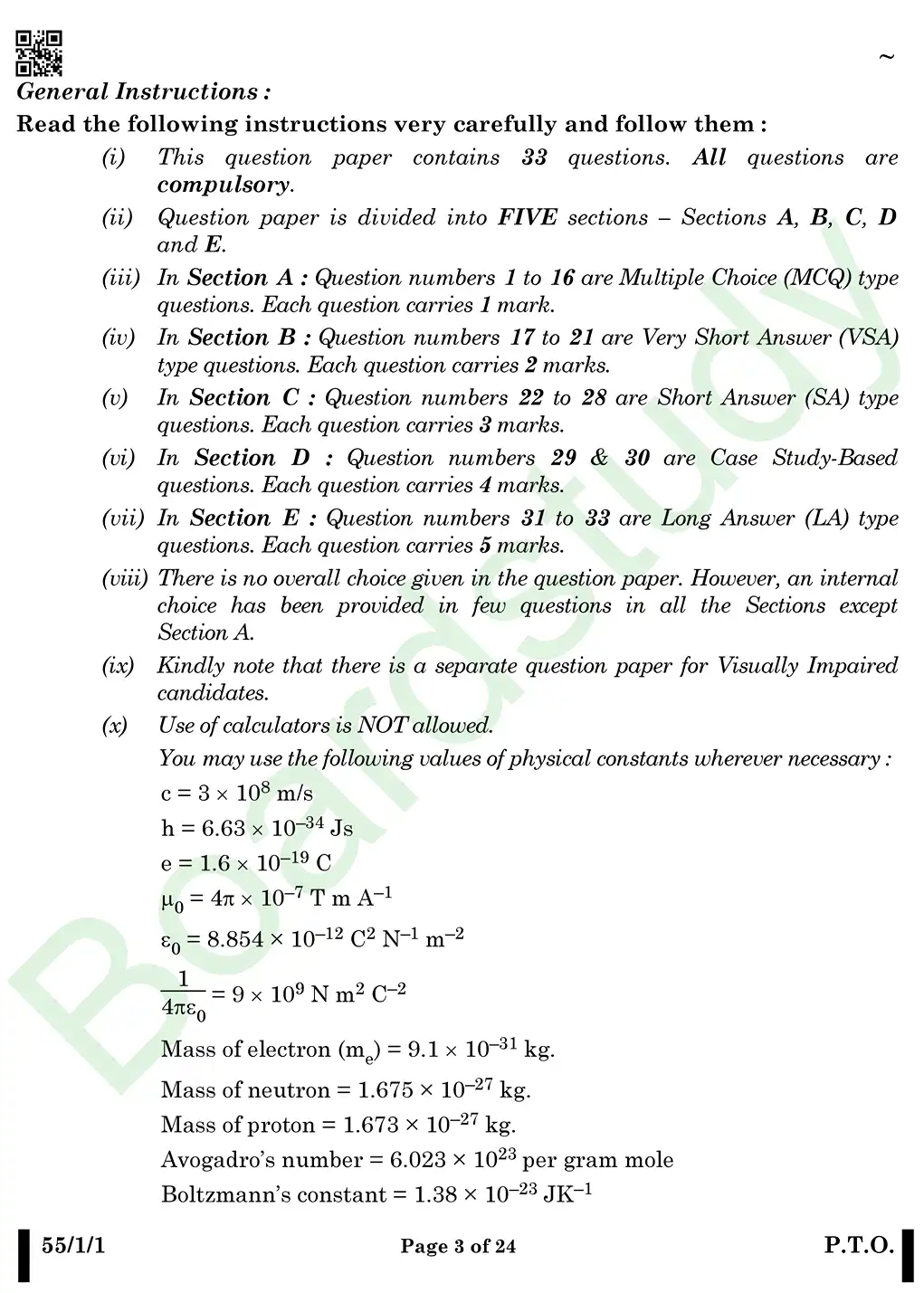
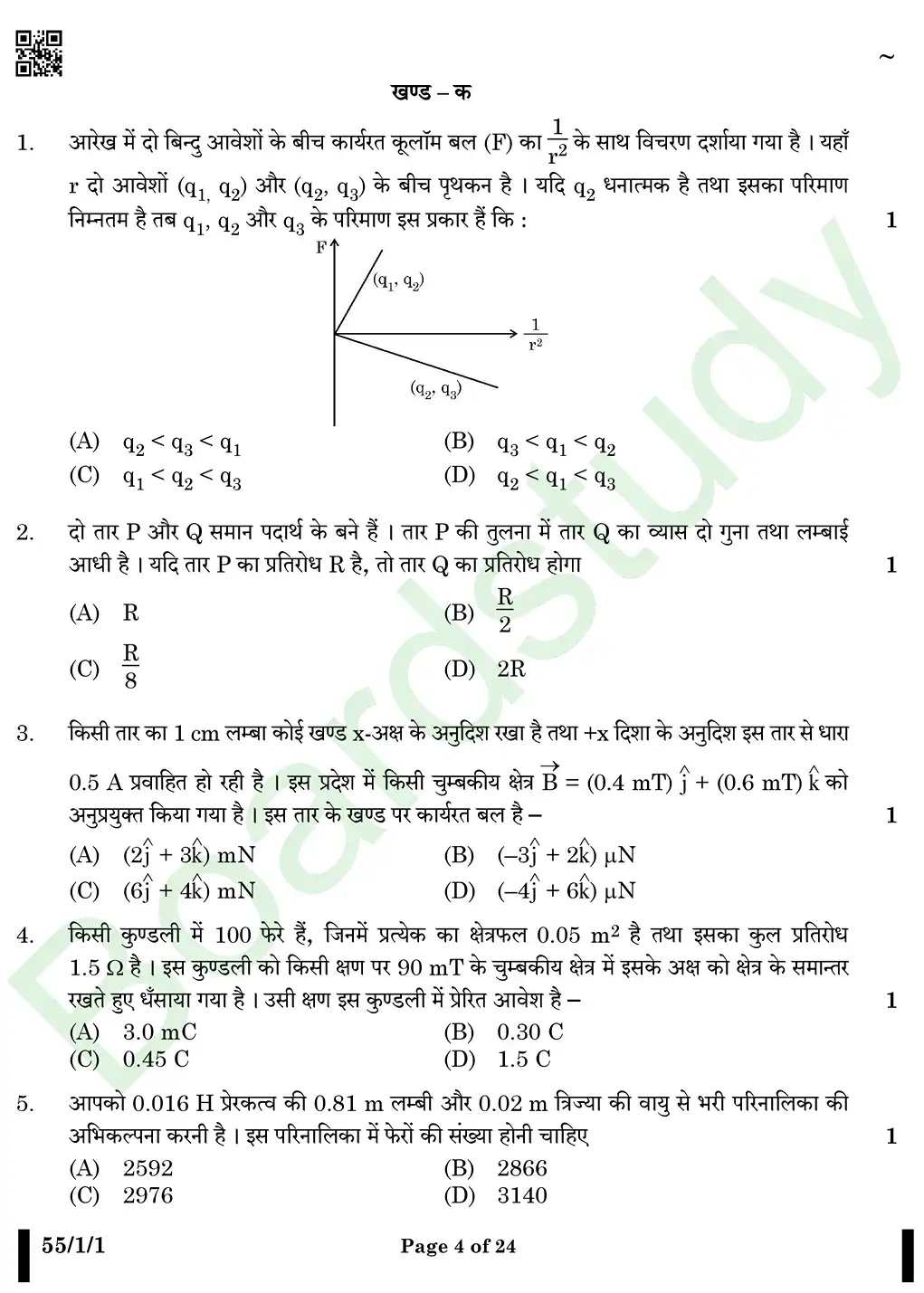
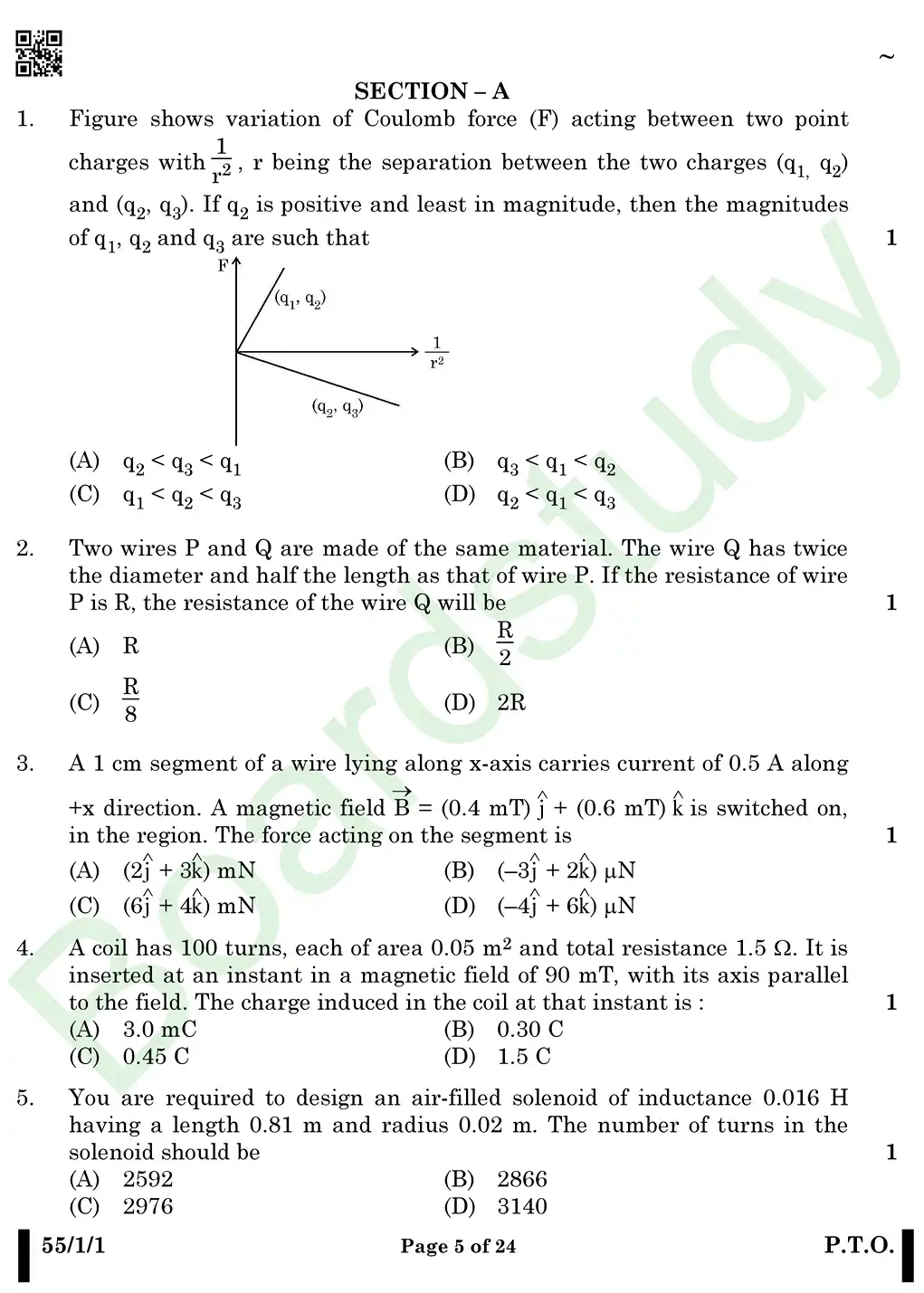
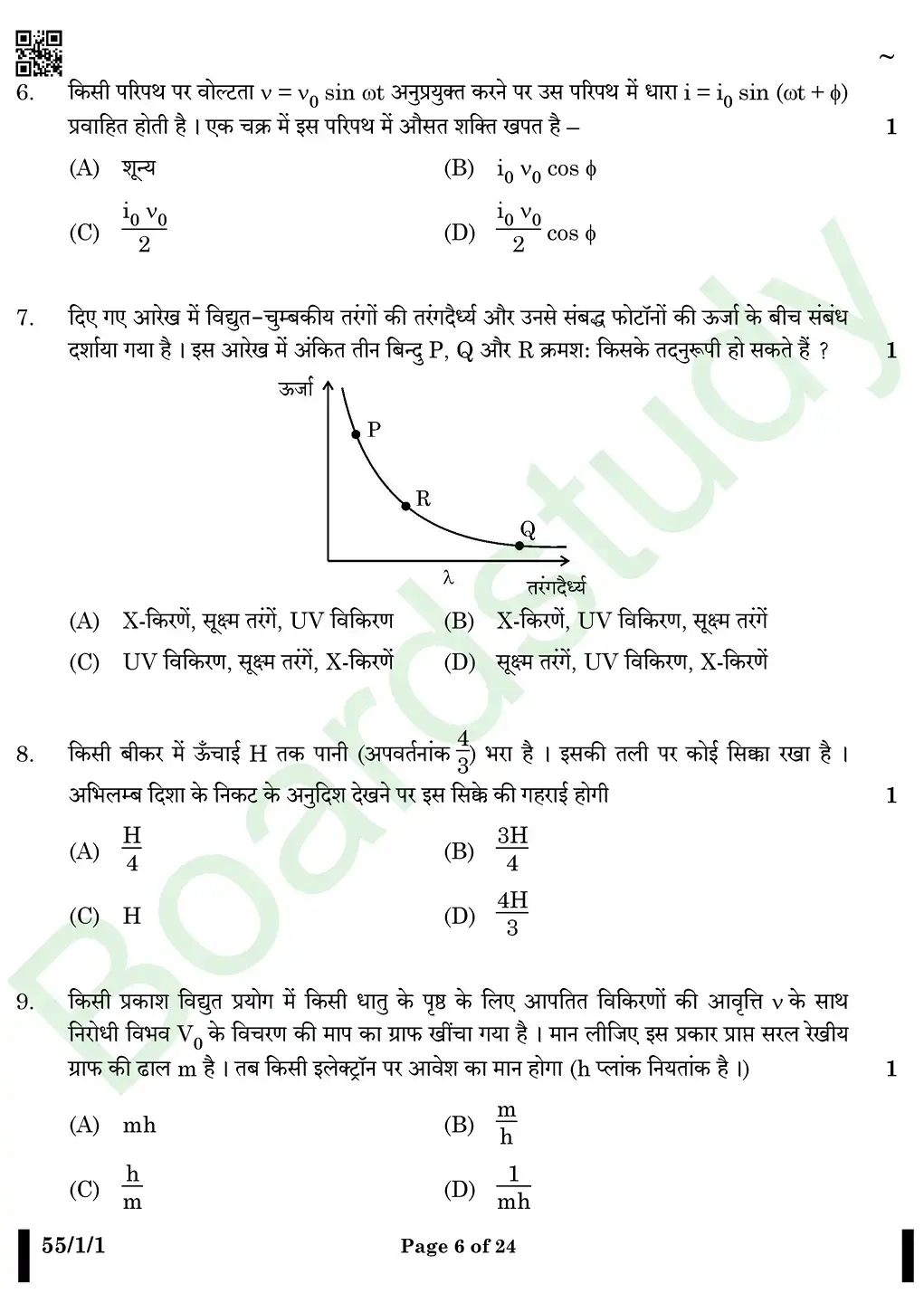
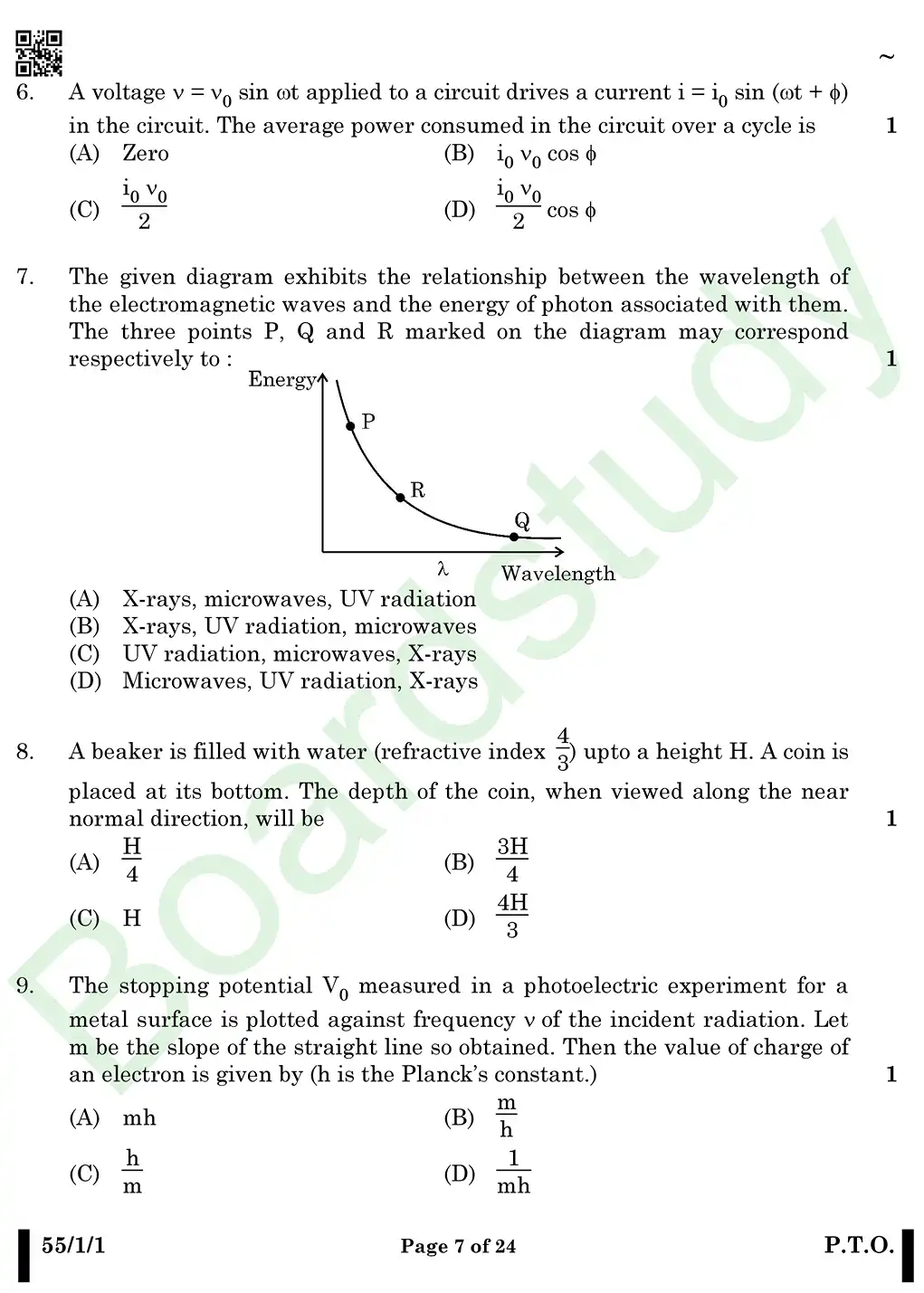
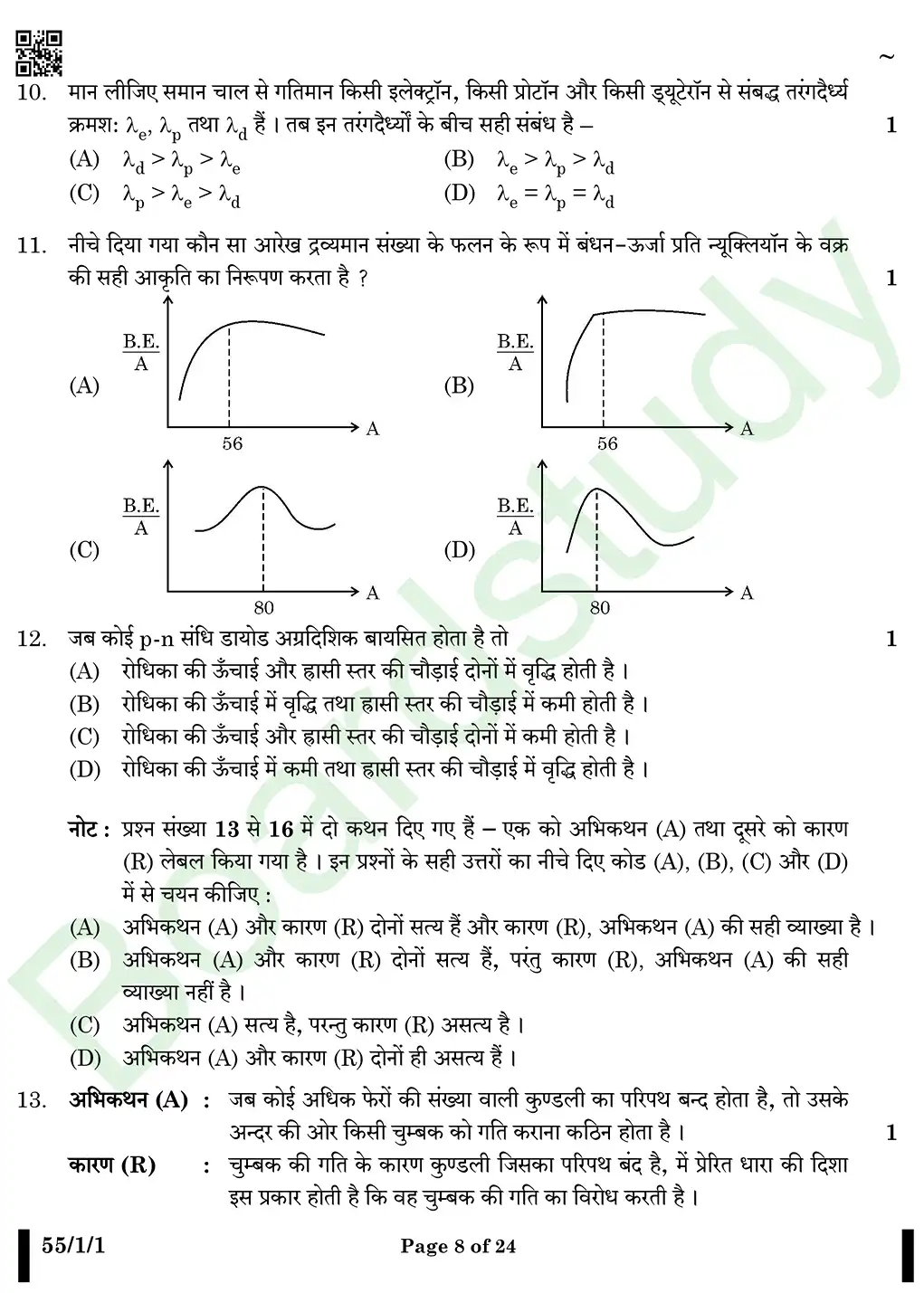
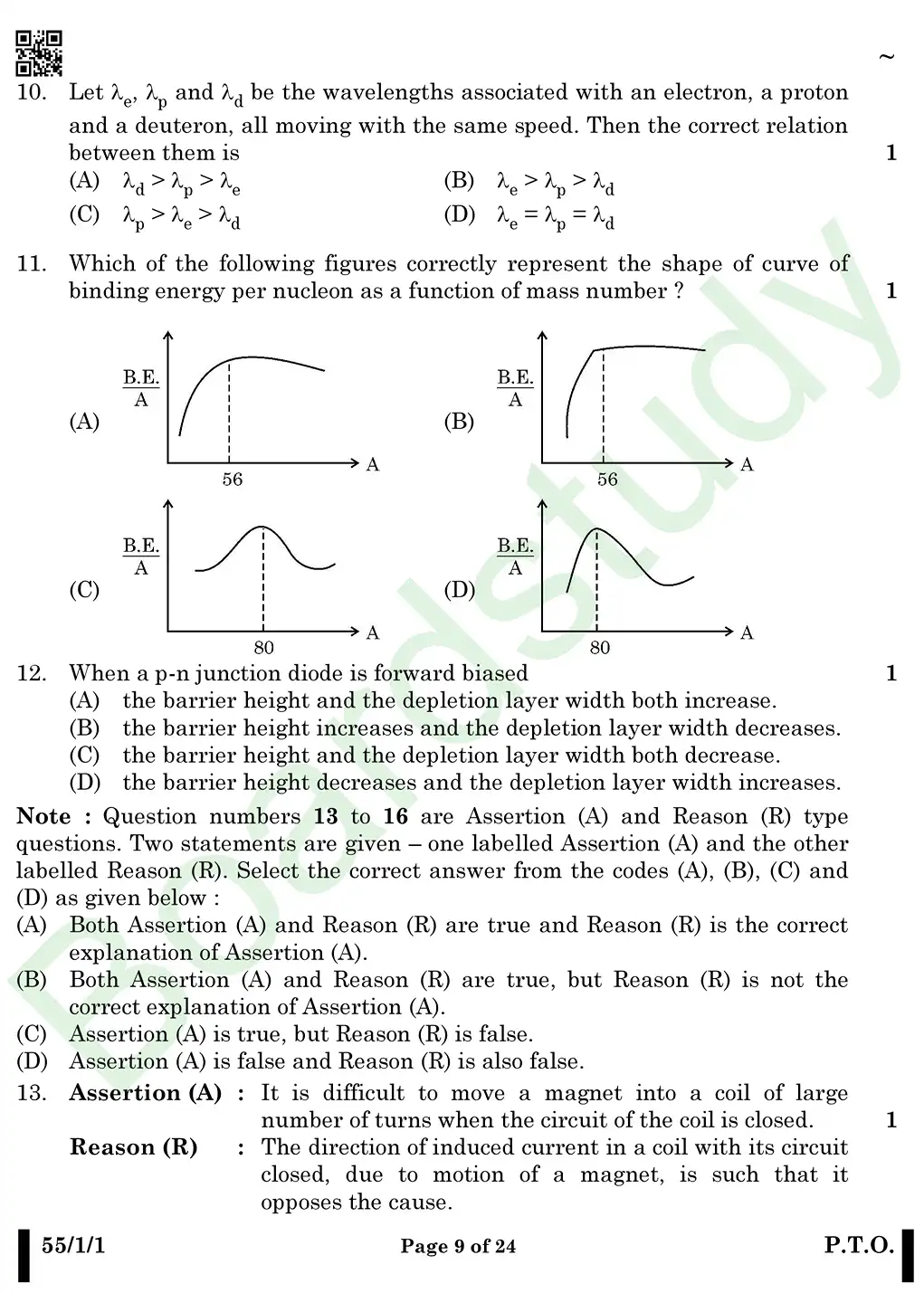
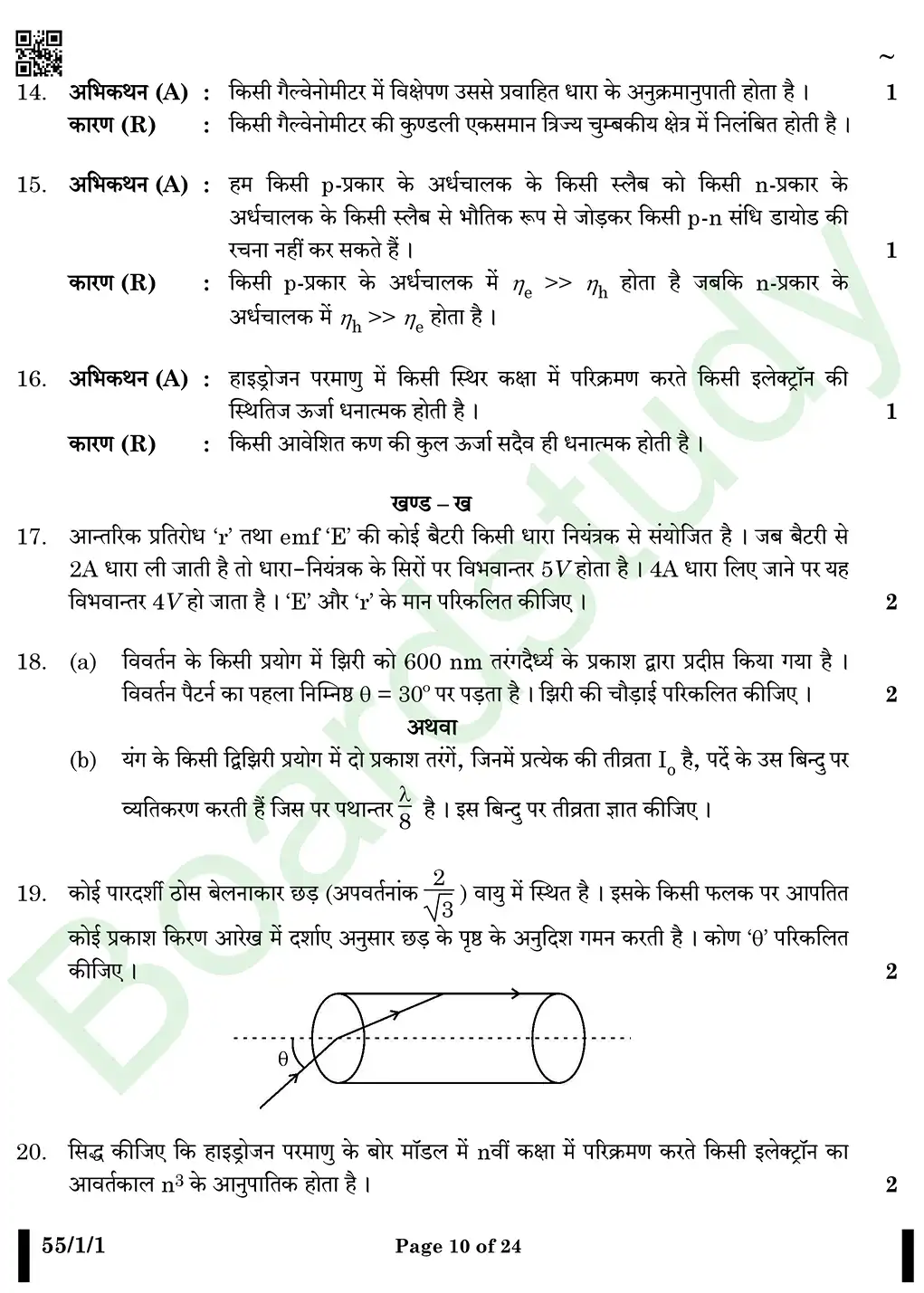
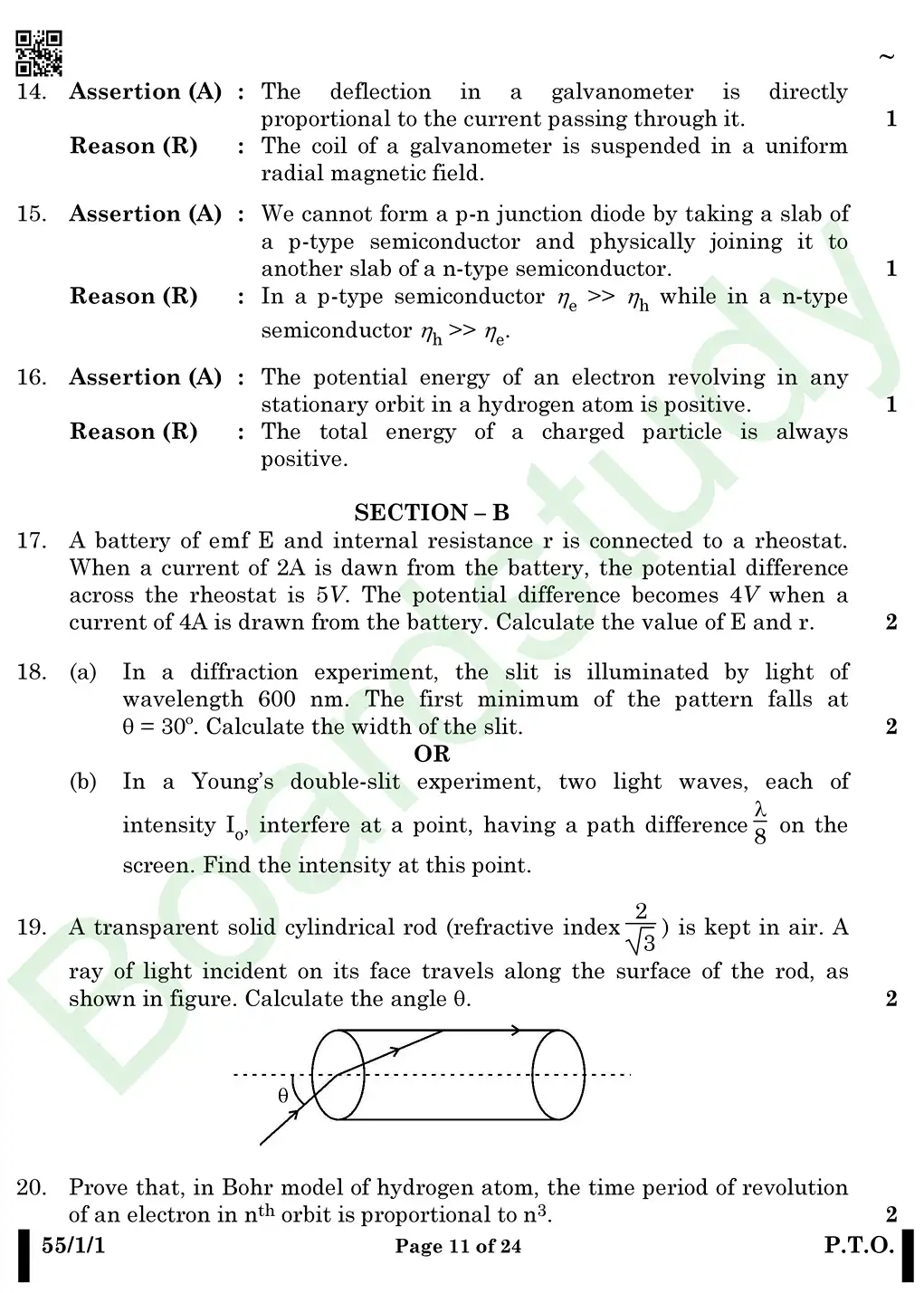
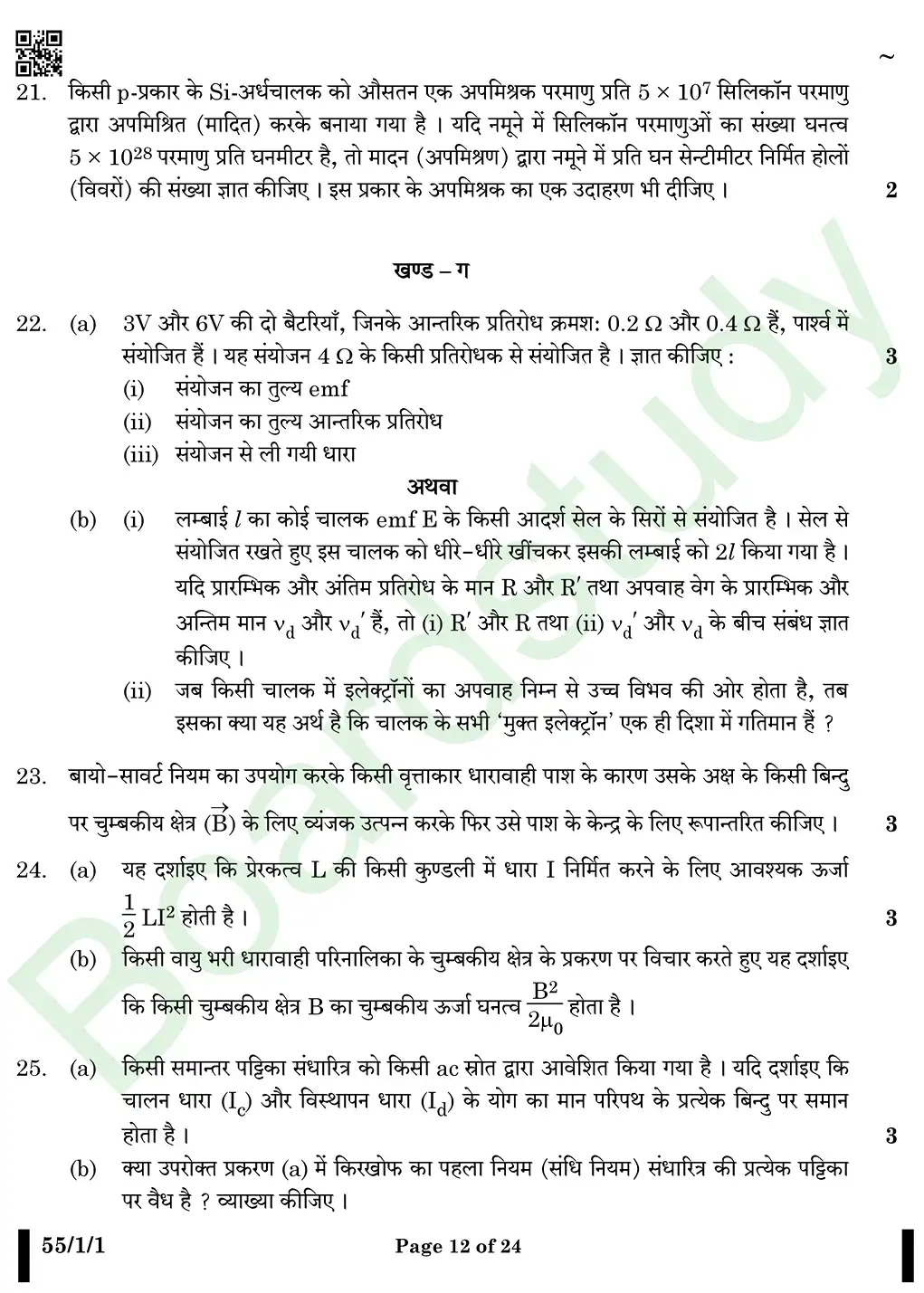
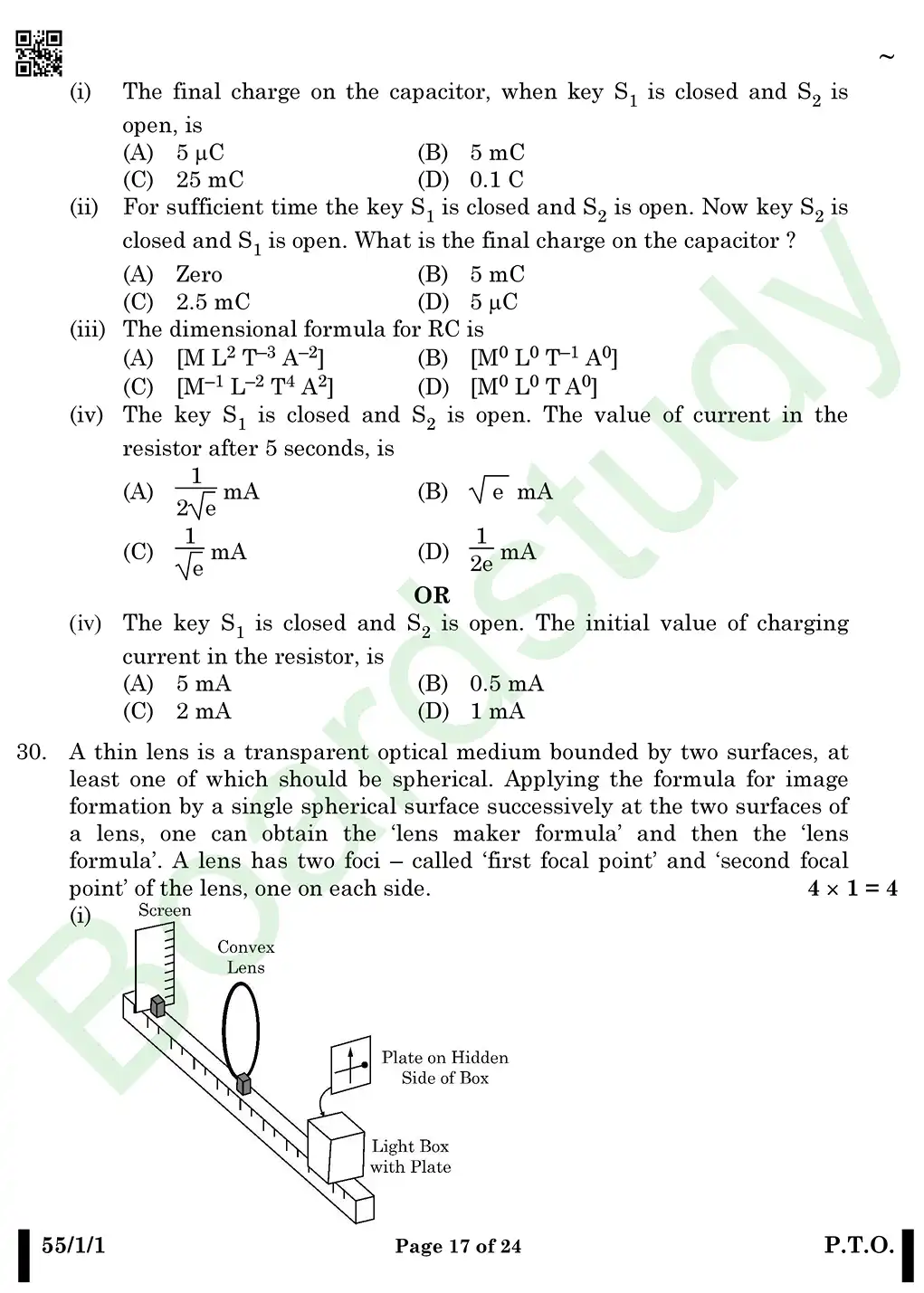
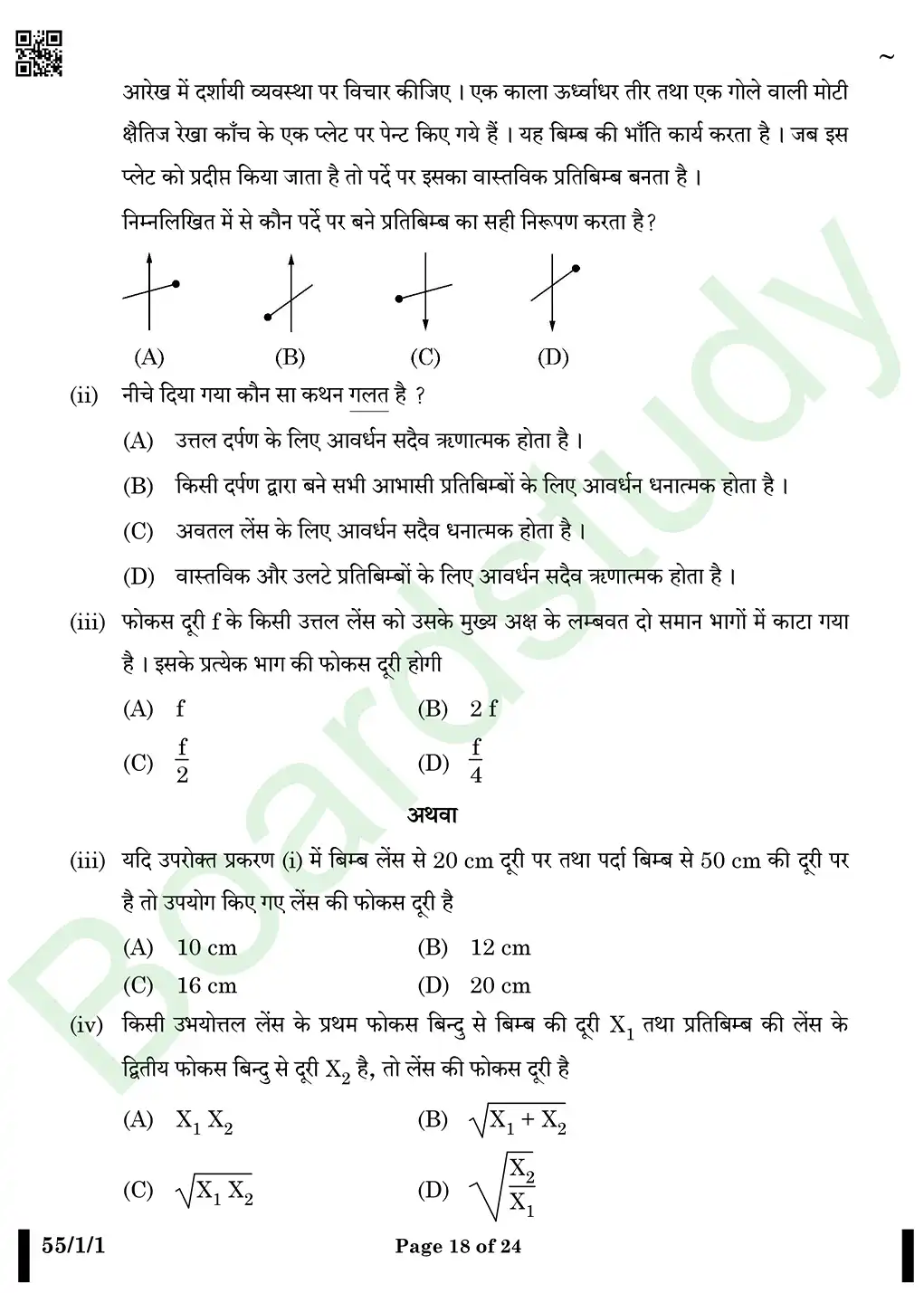
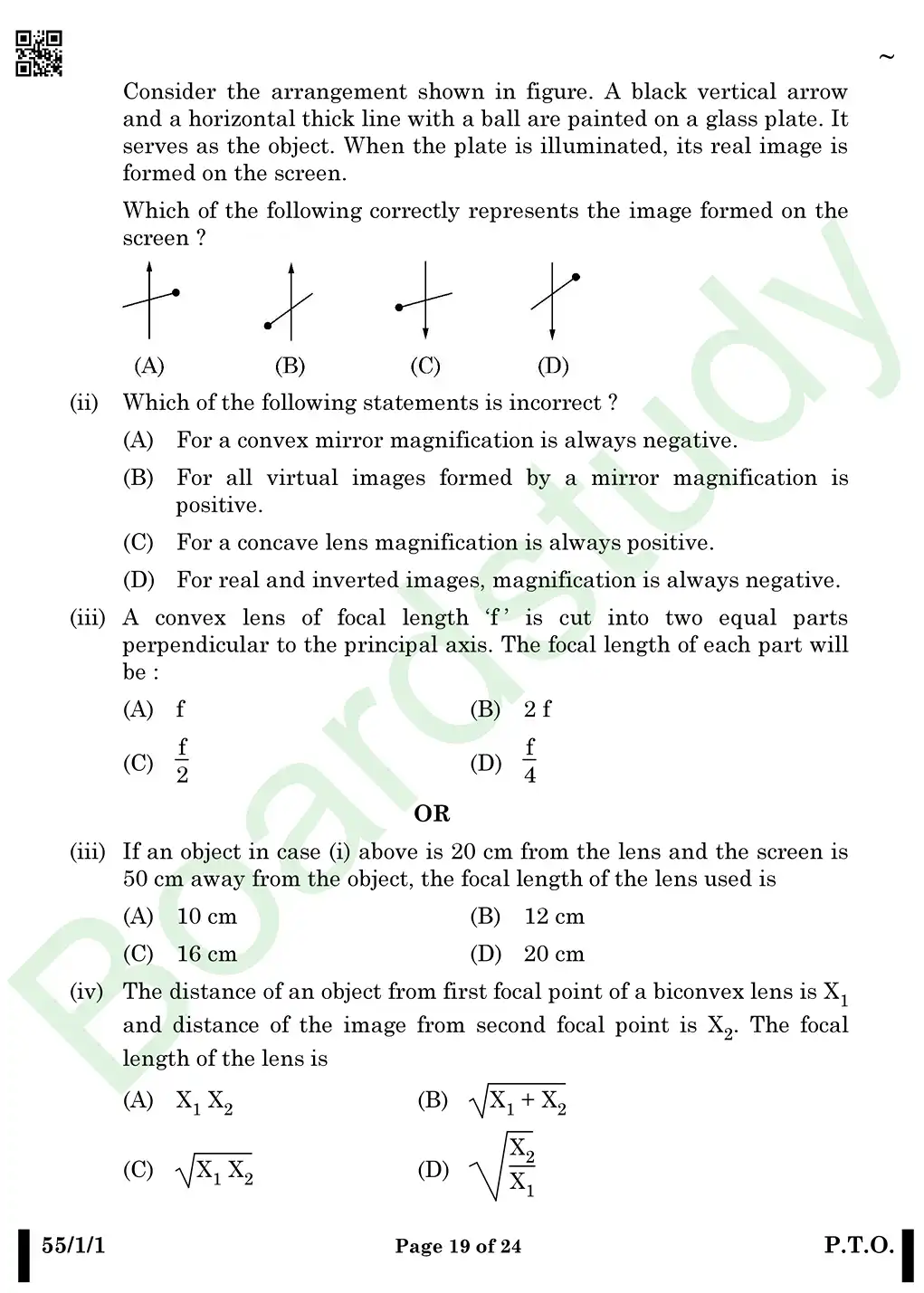
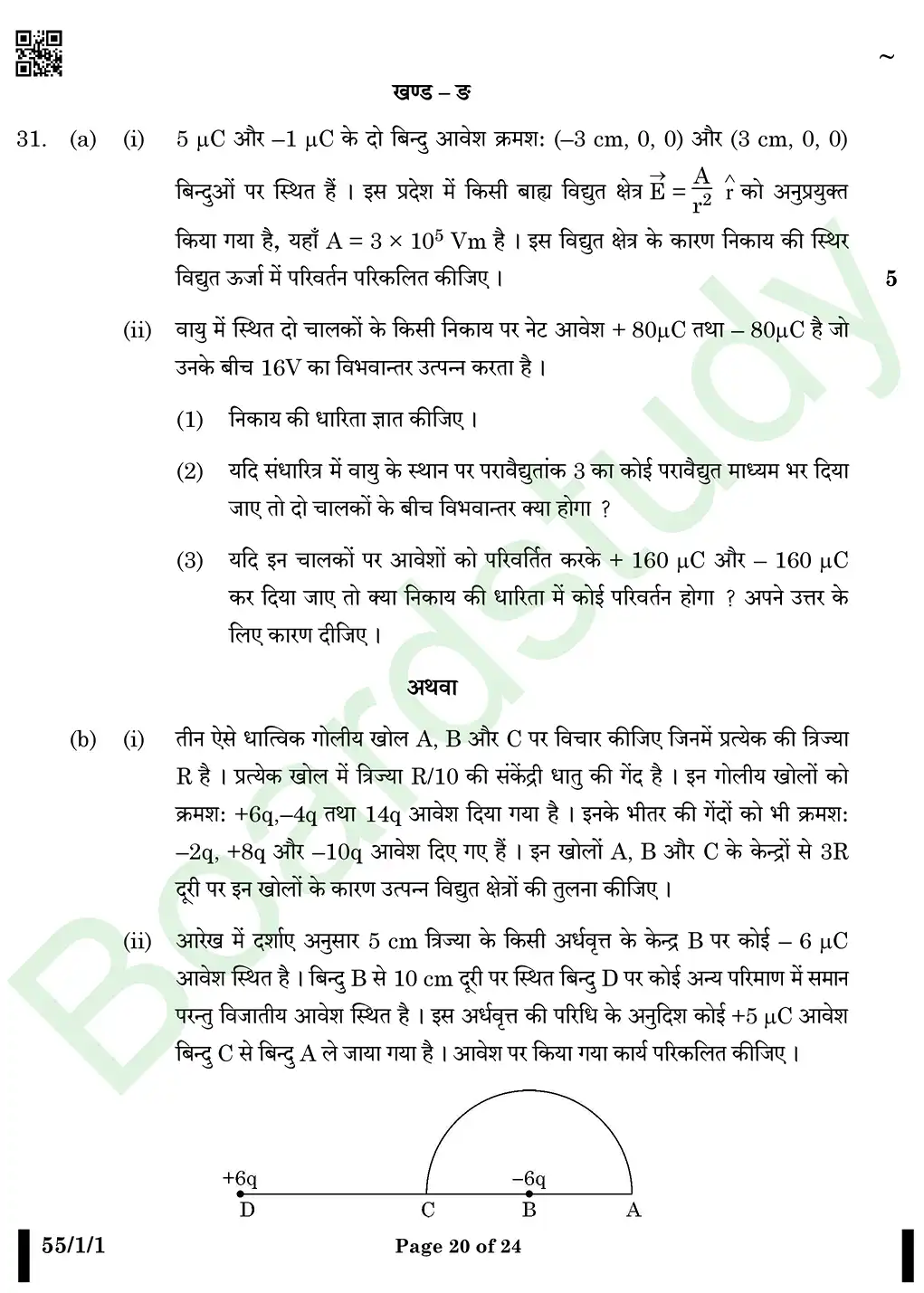
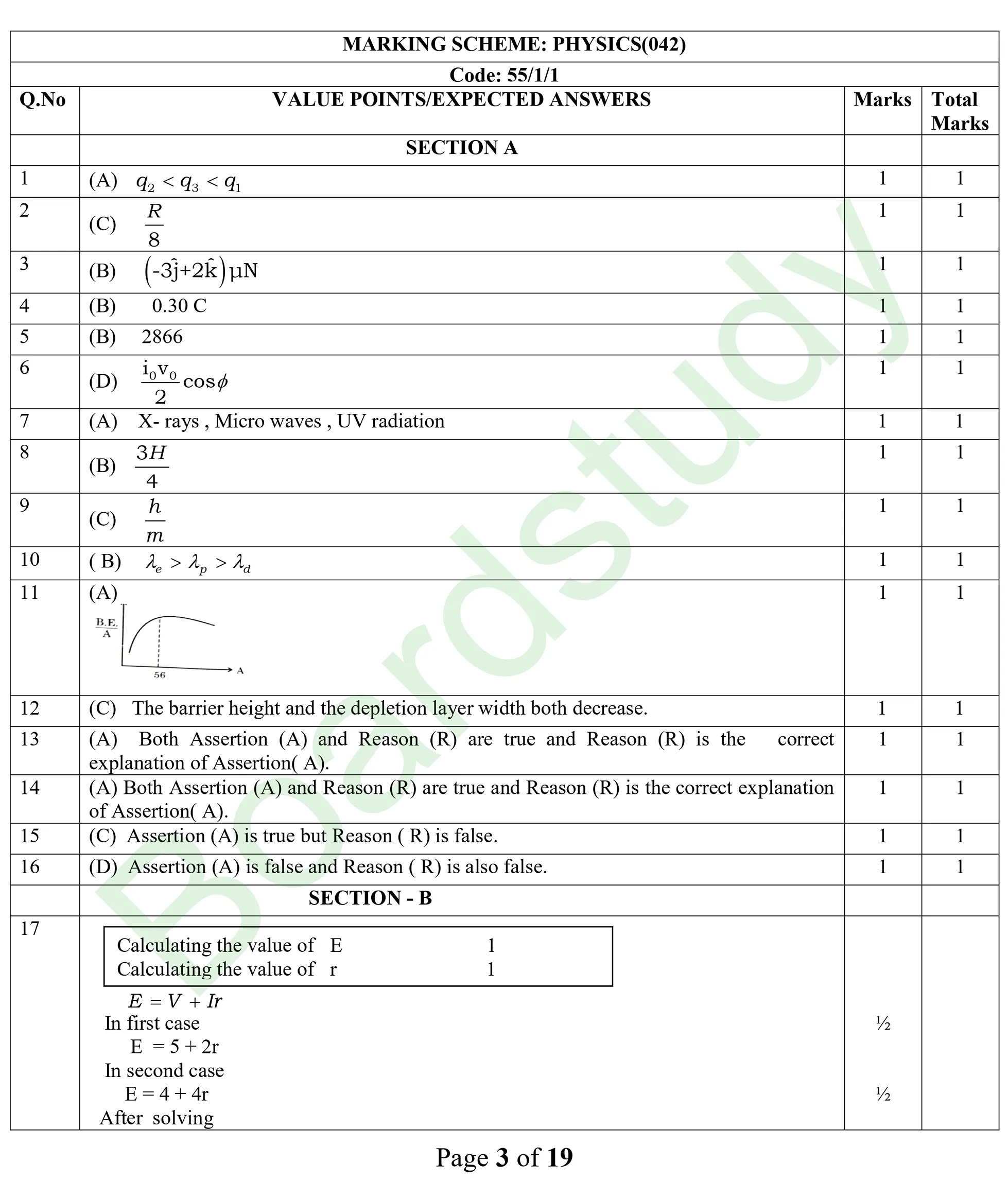
Class 12 Physics PYQ 2025 SET 1 Solution
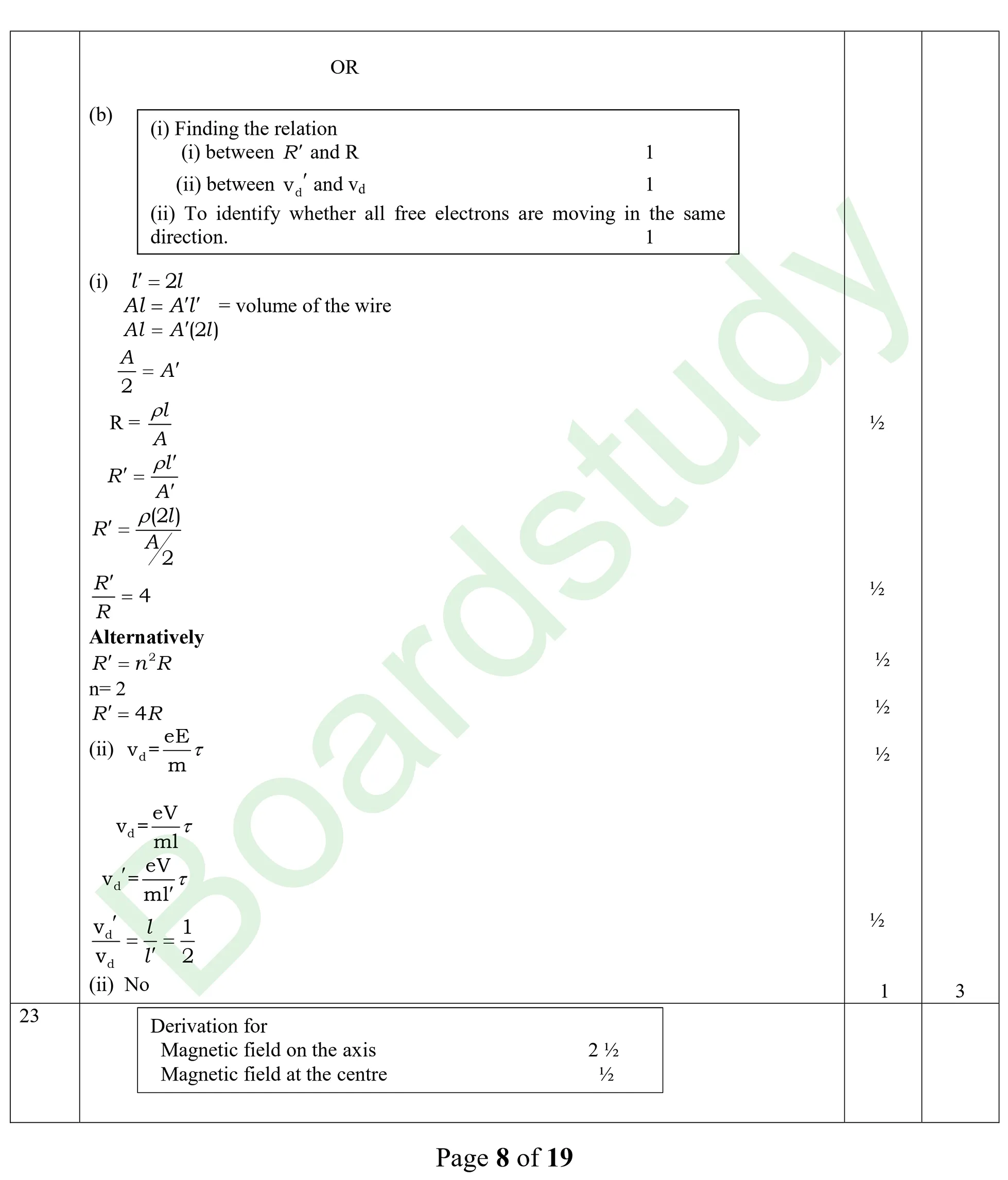
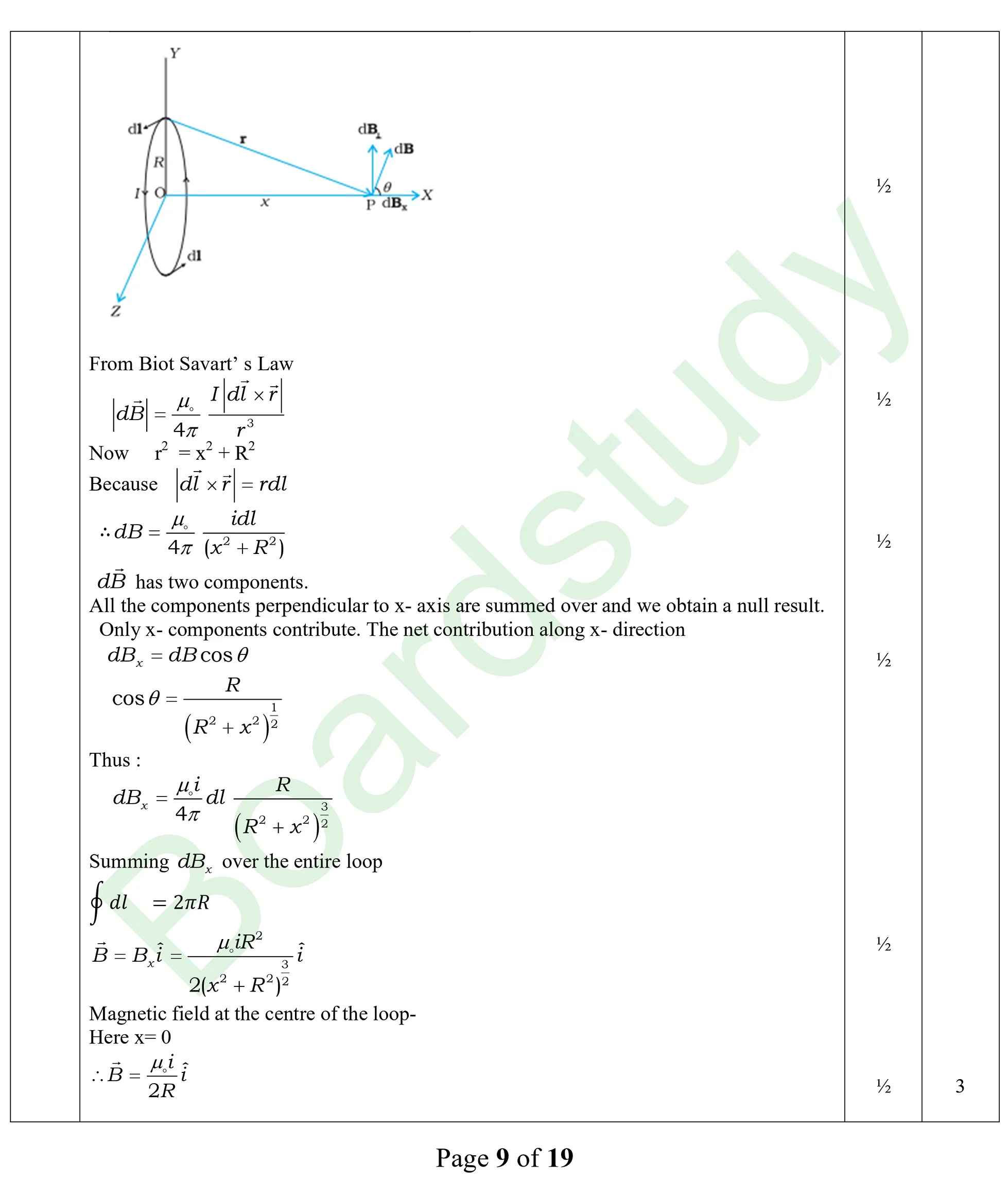
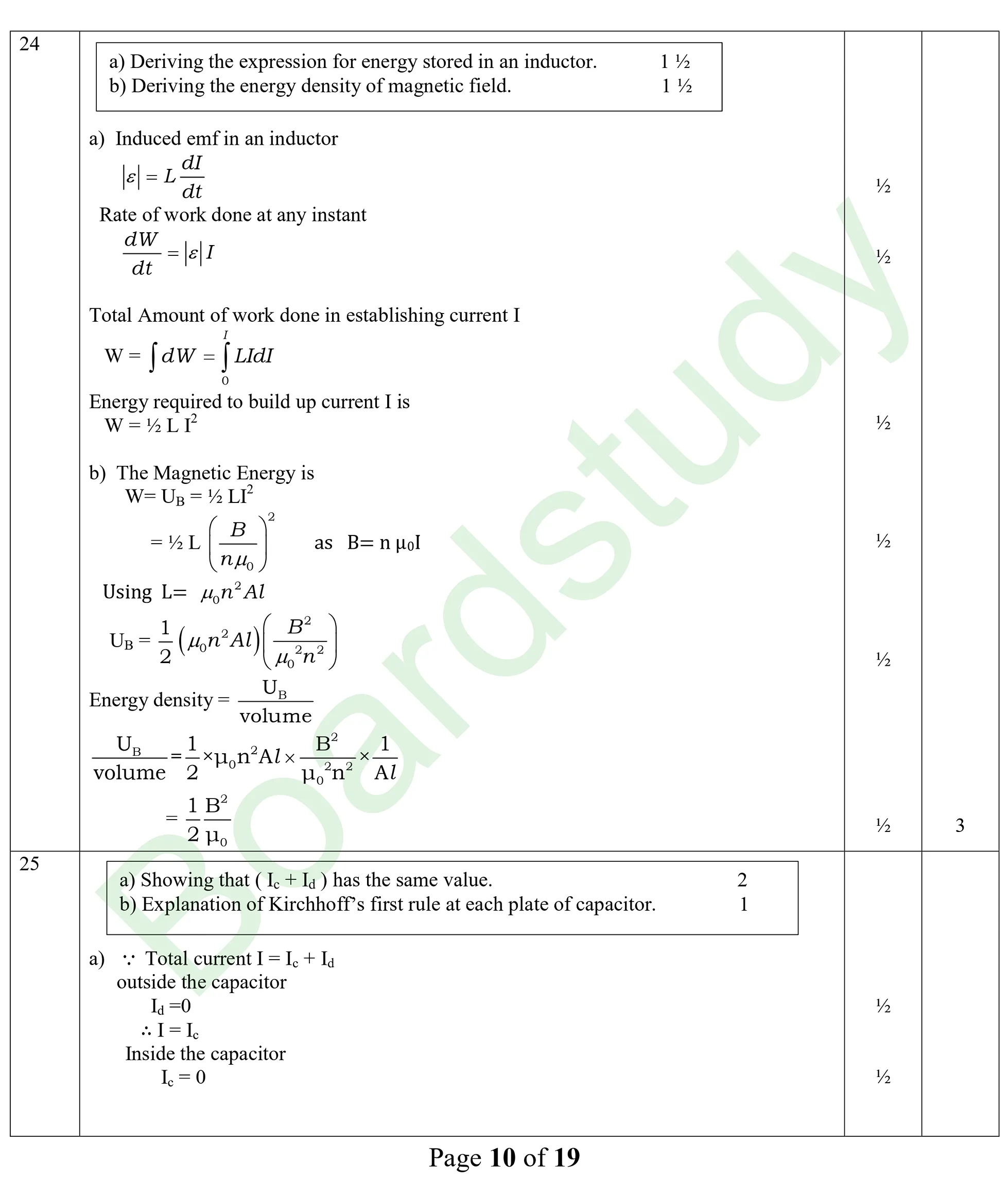
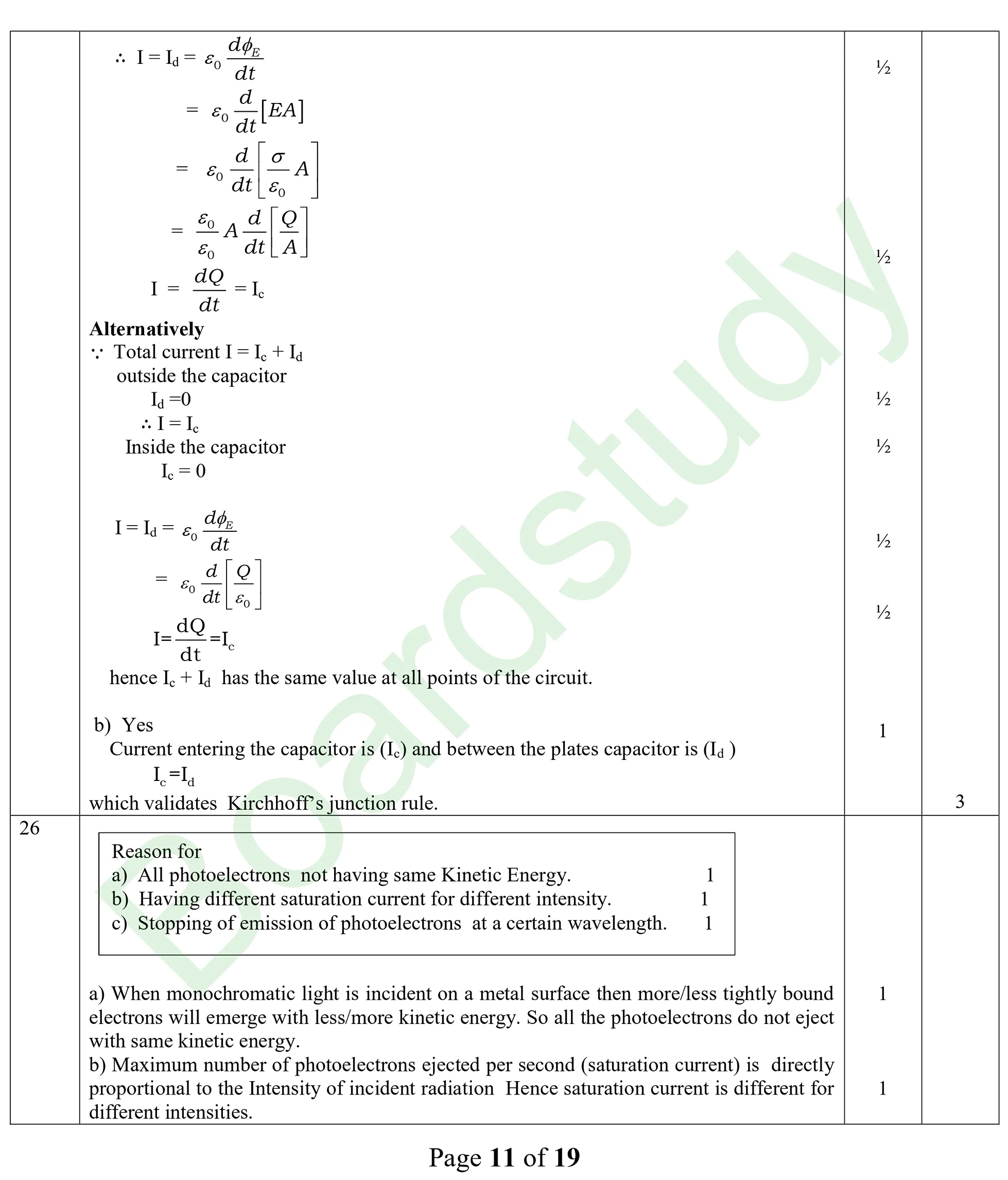
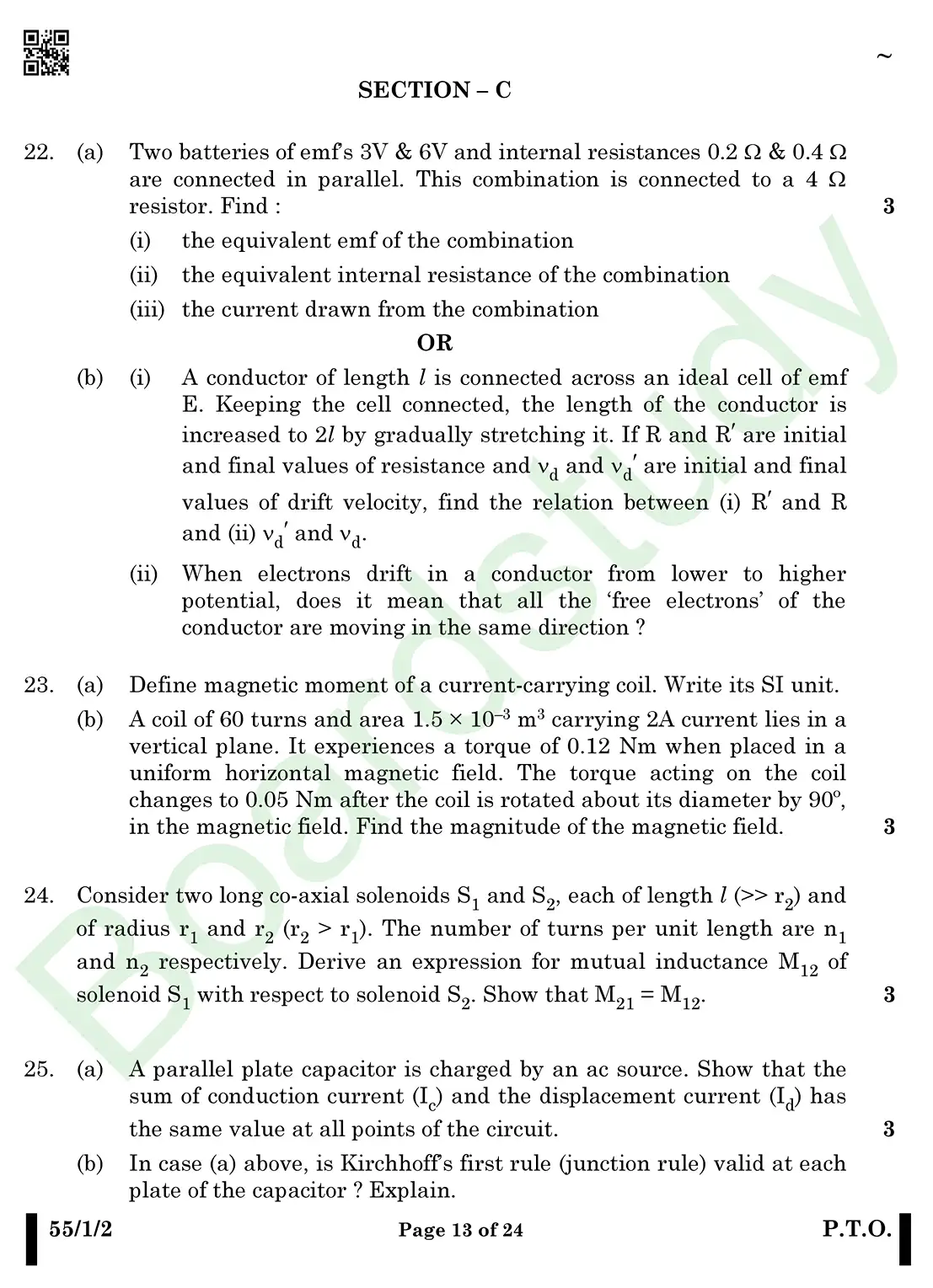
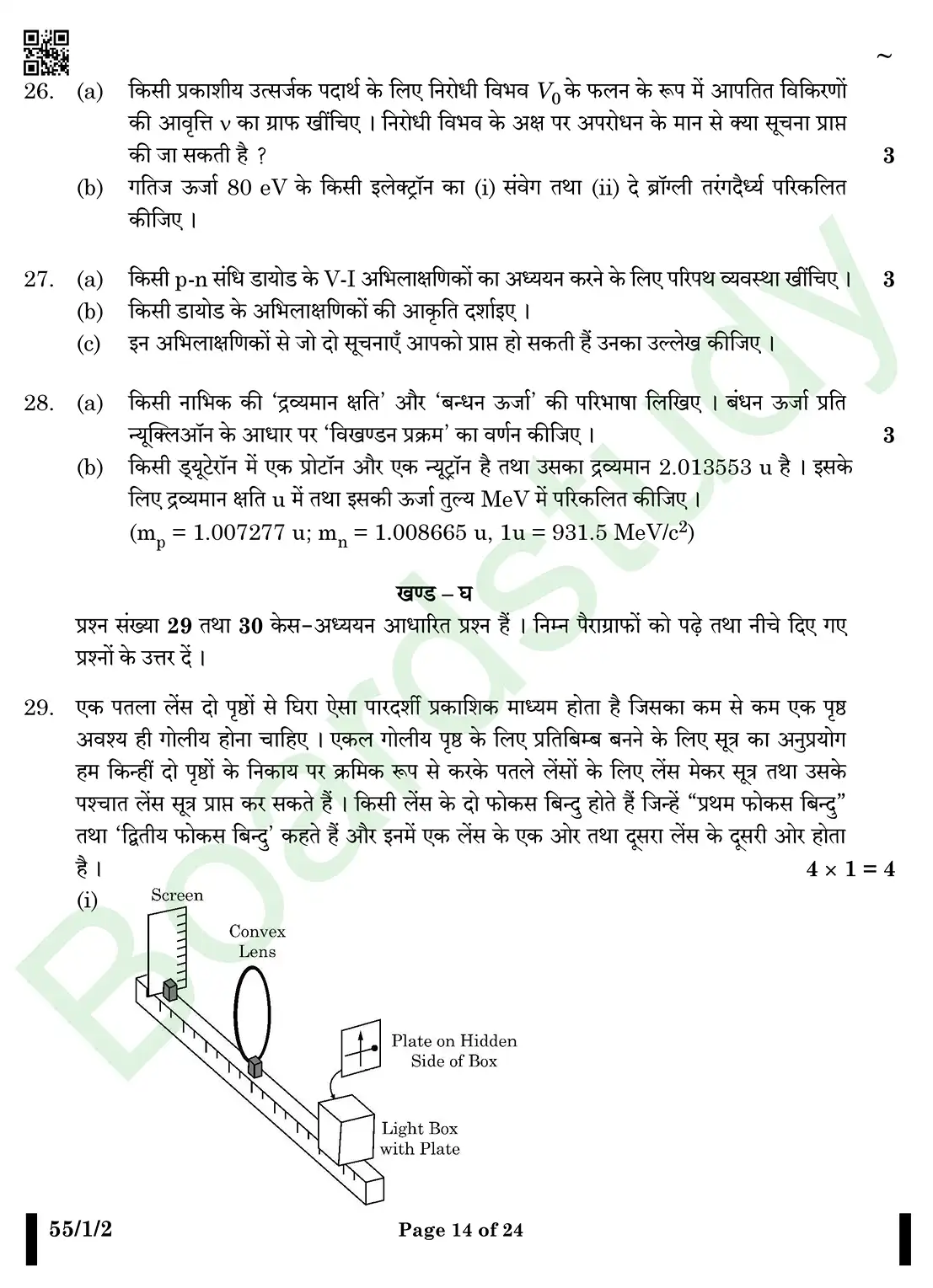
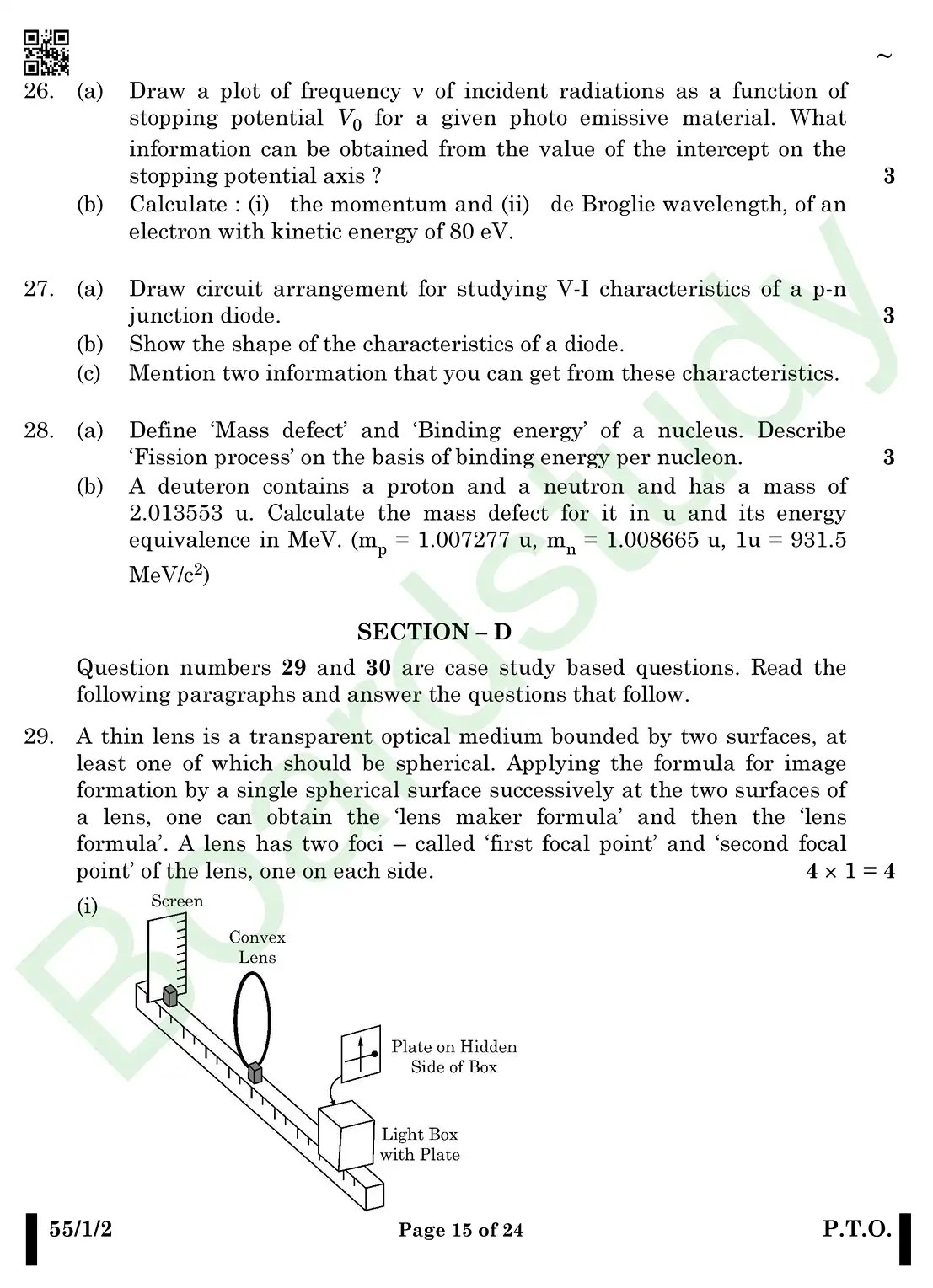
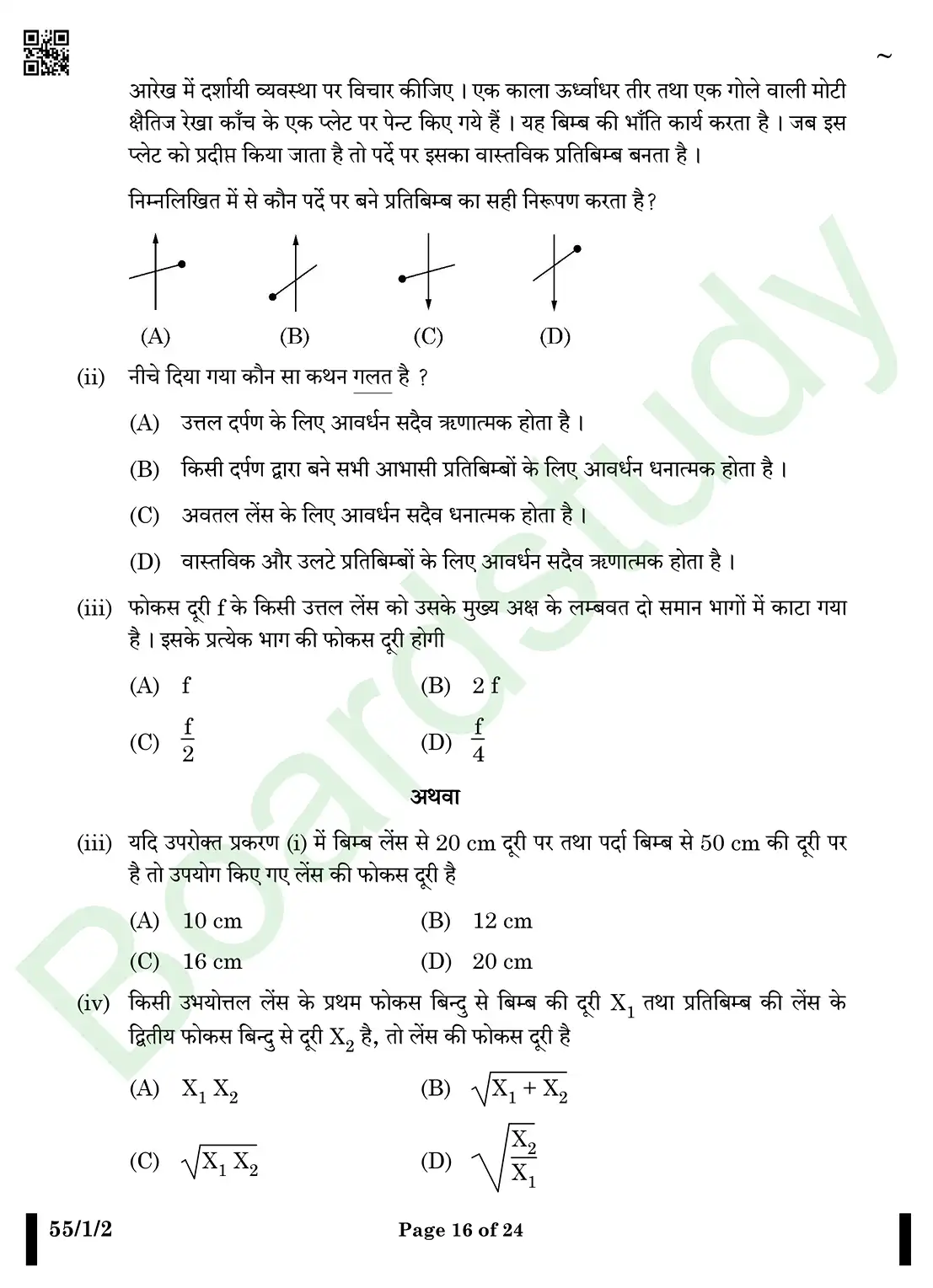
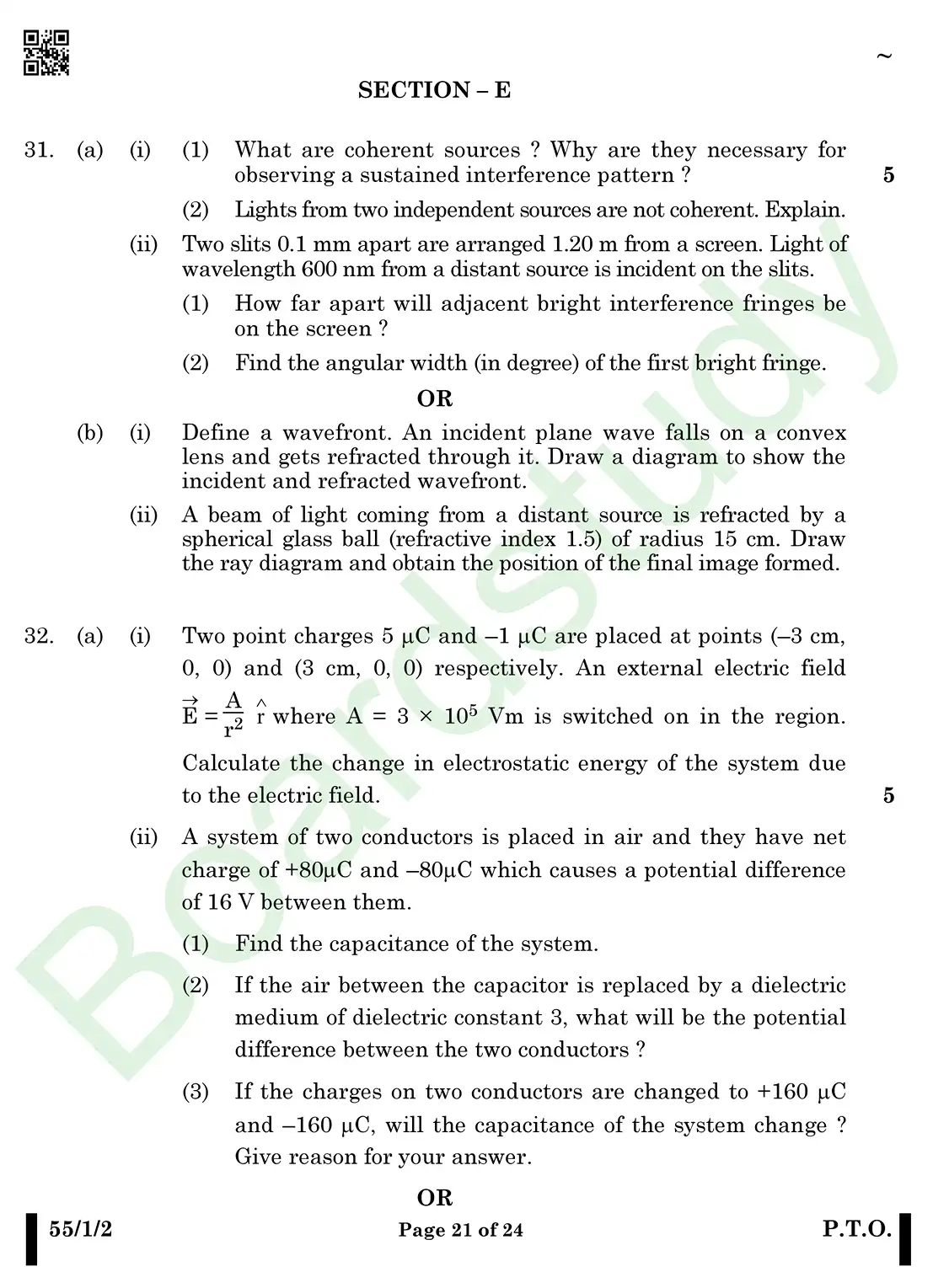
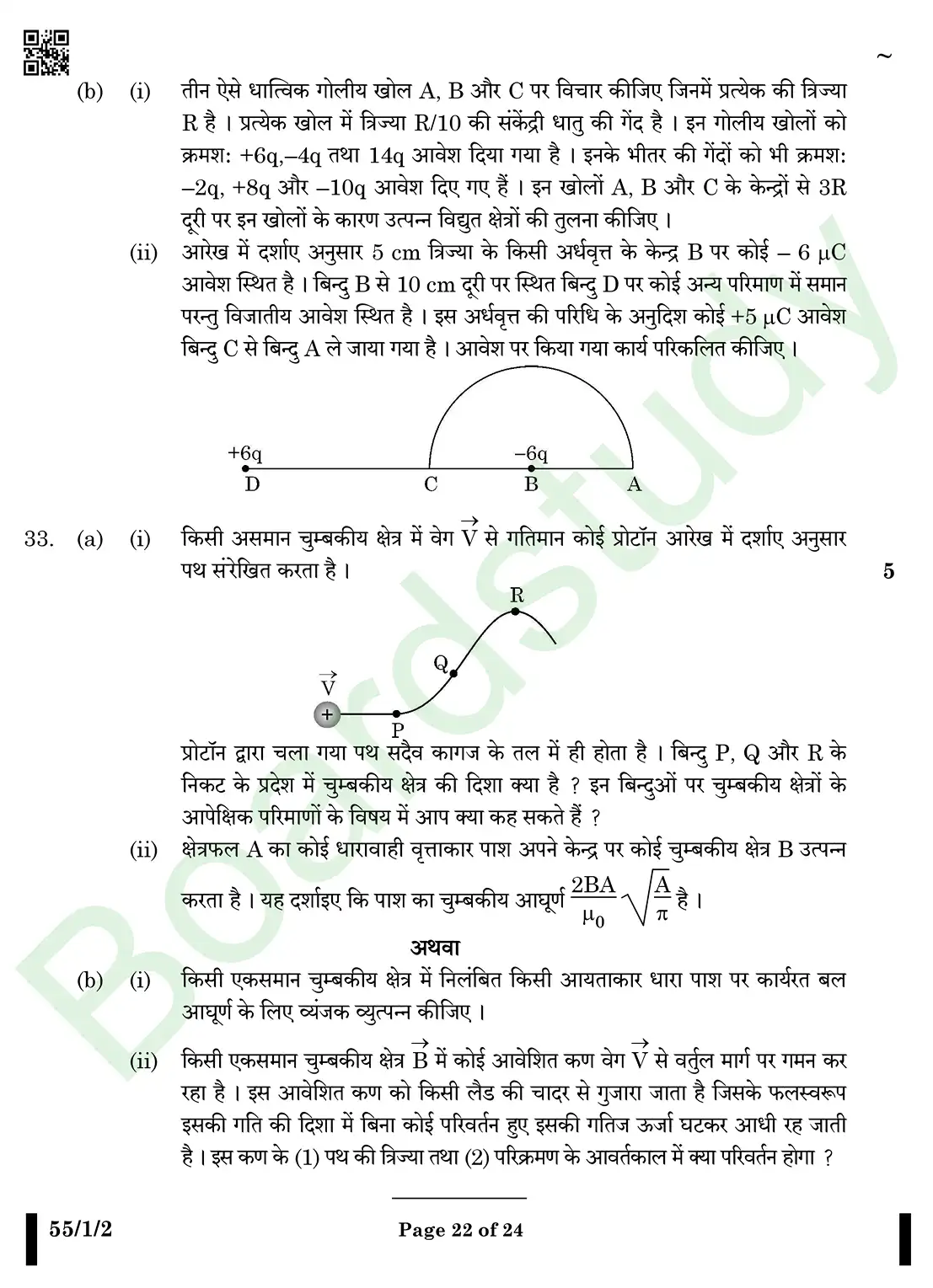
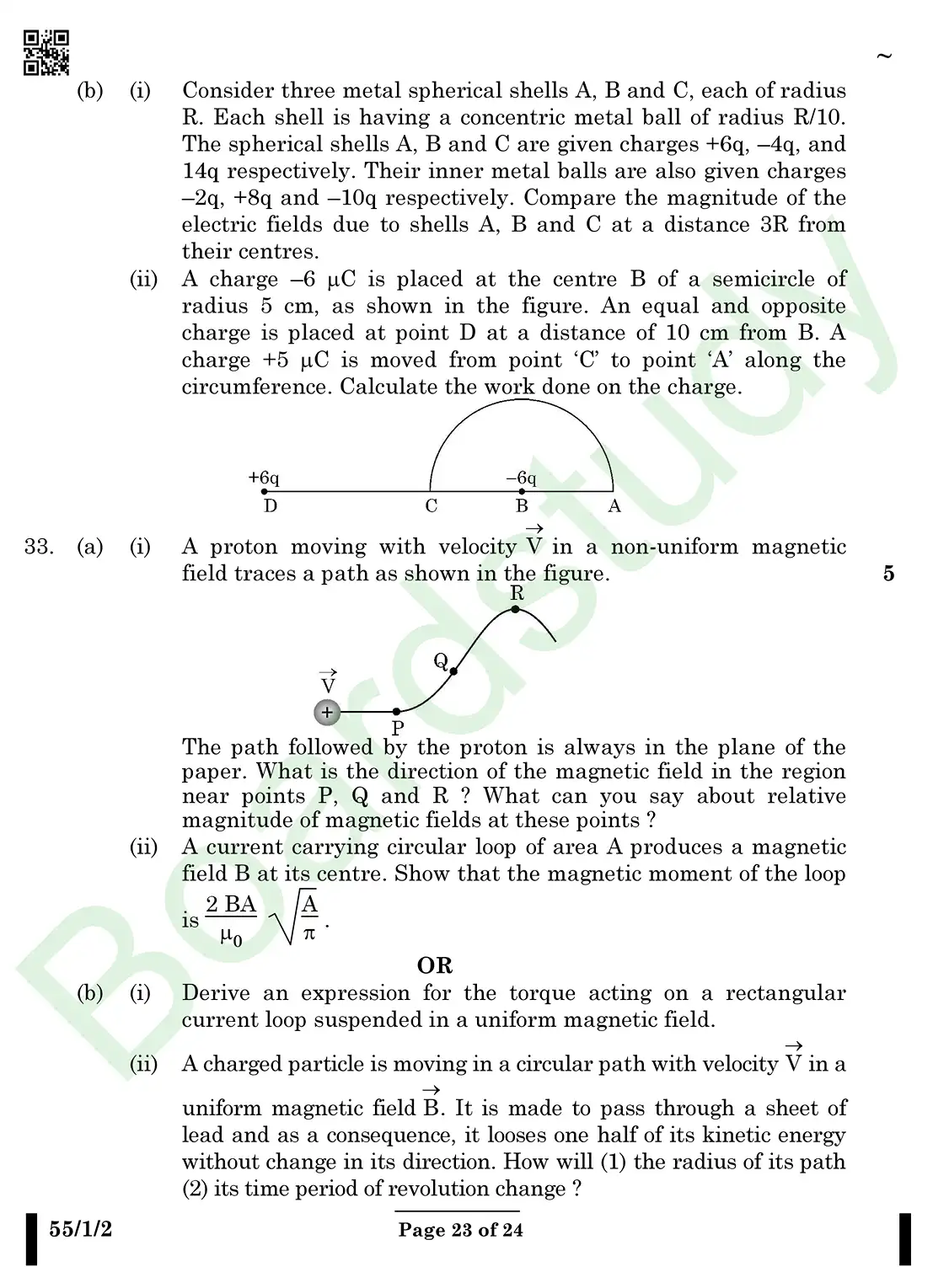
Class 12 Physics PYQ 2025 SET 2 Question
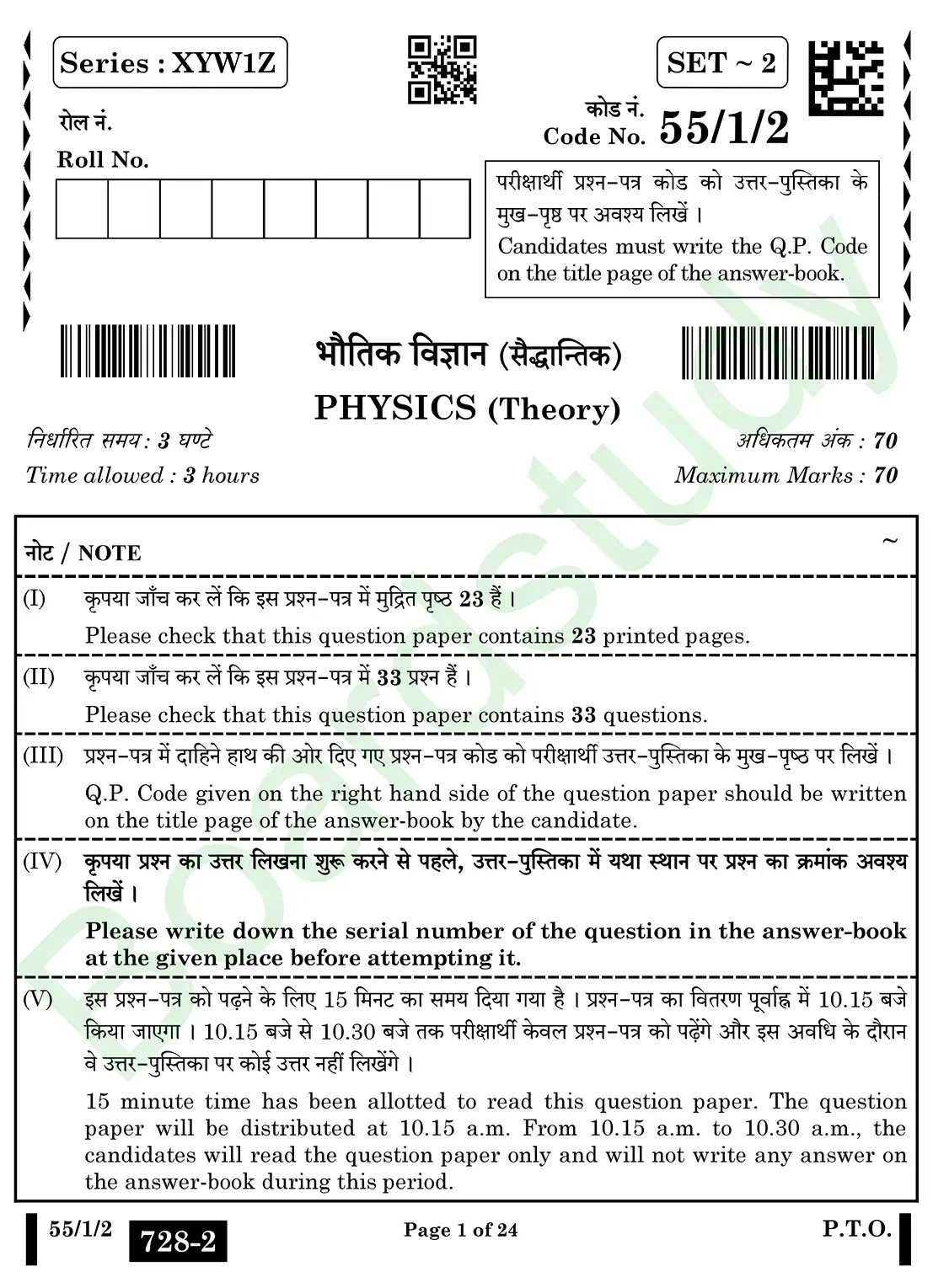
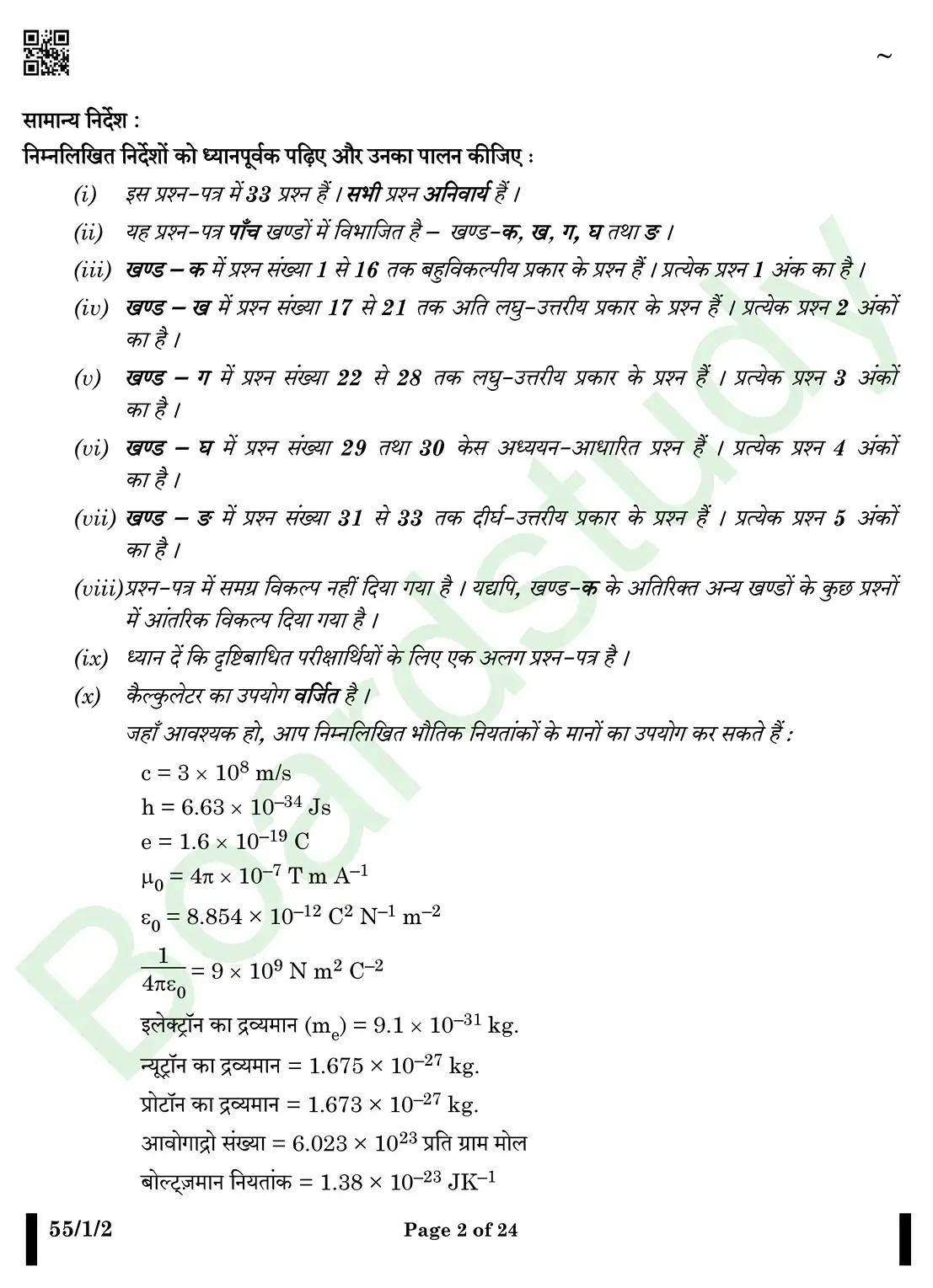
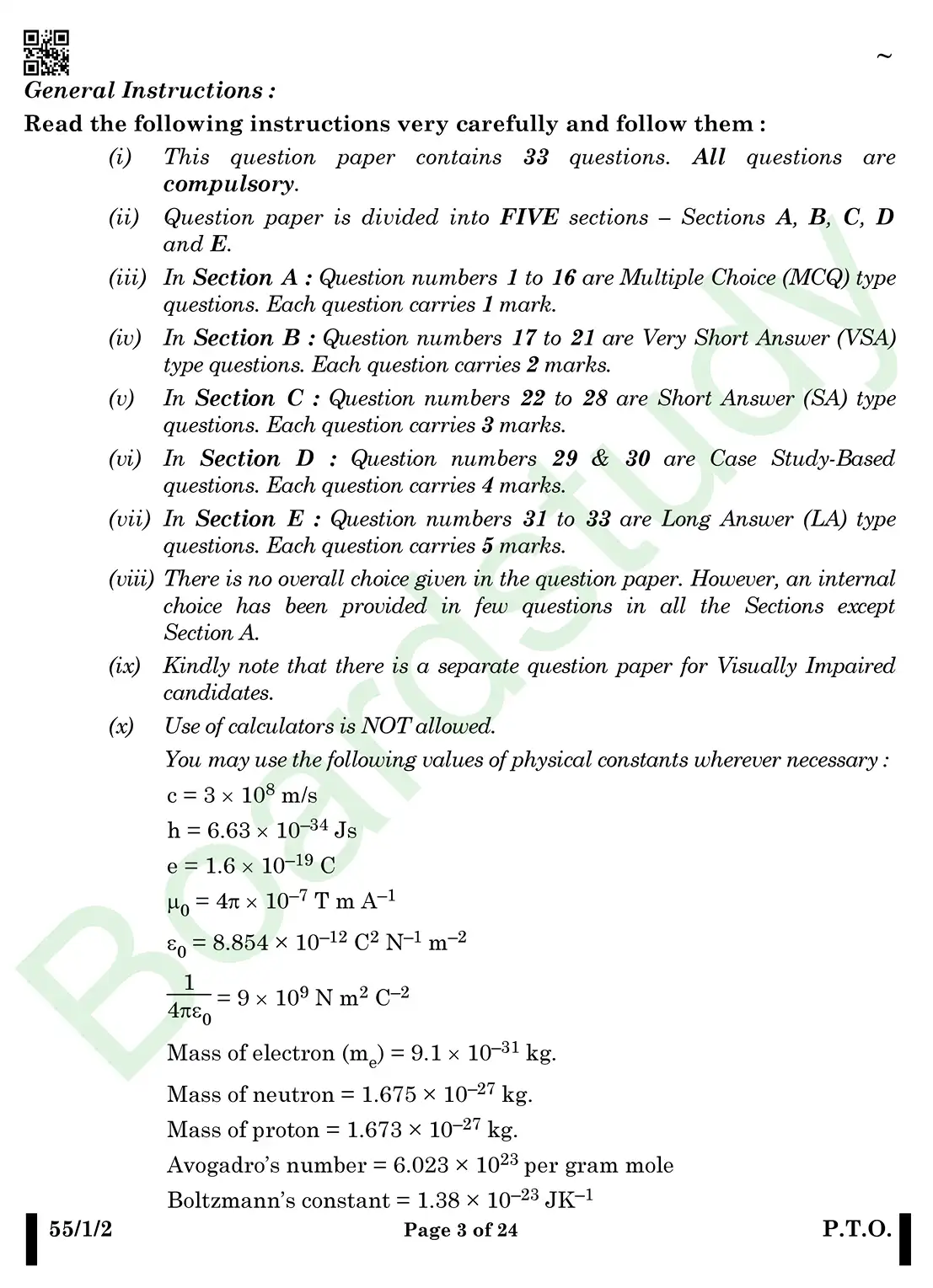
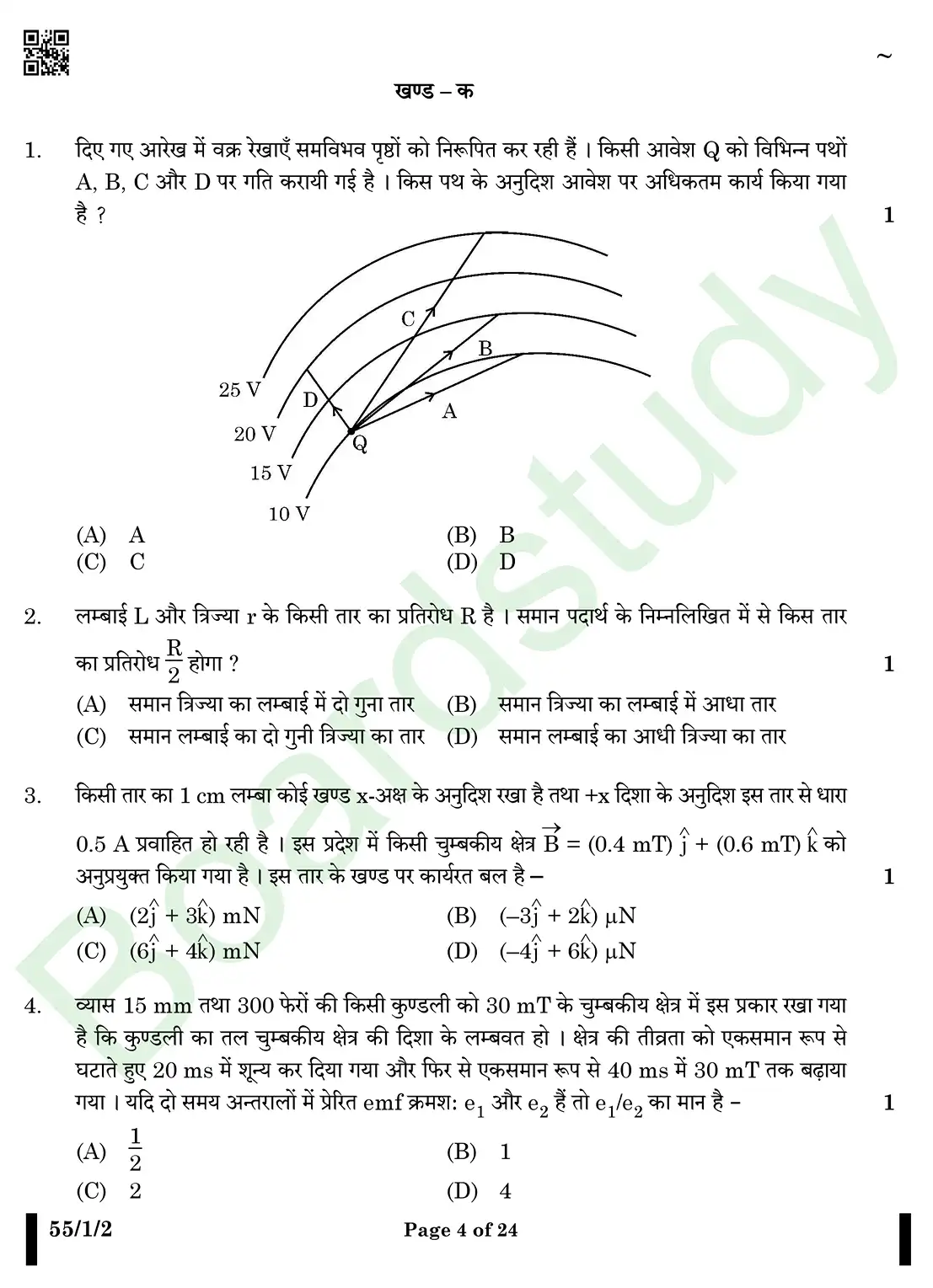
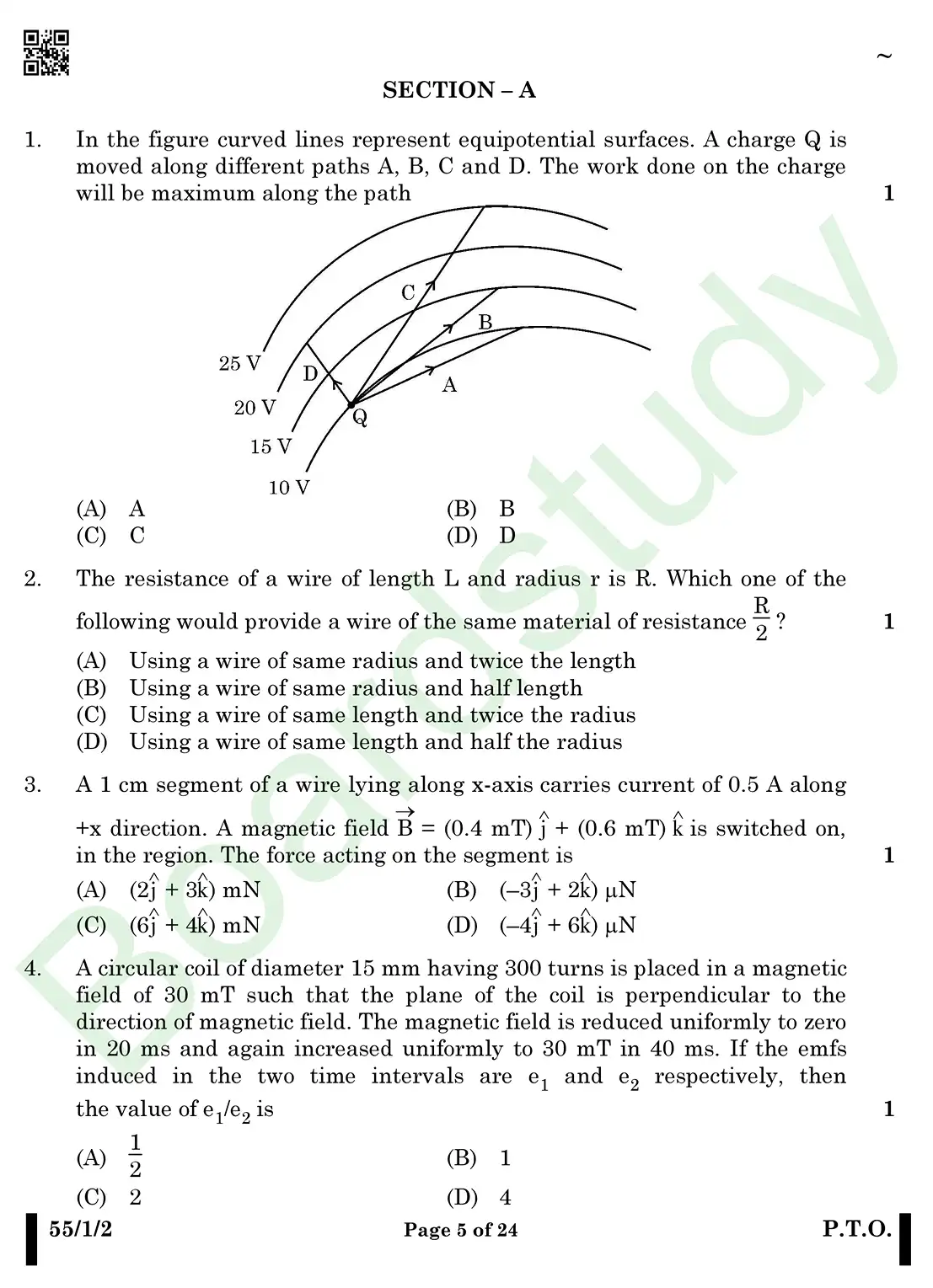
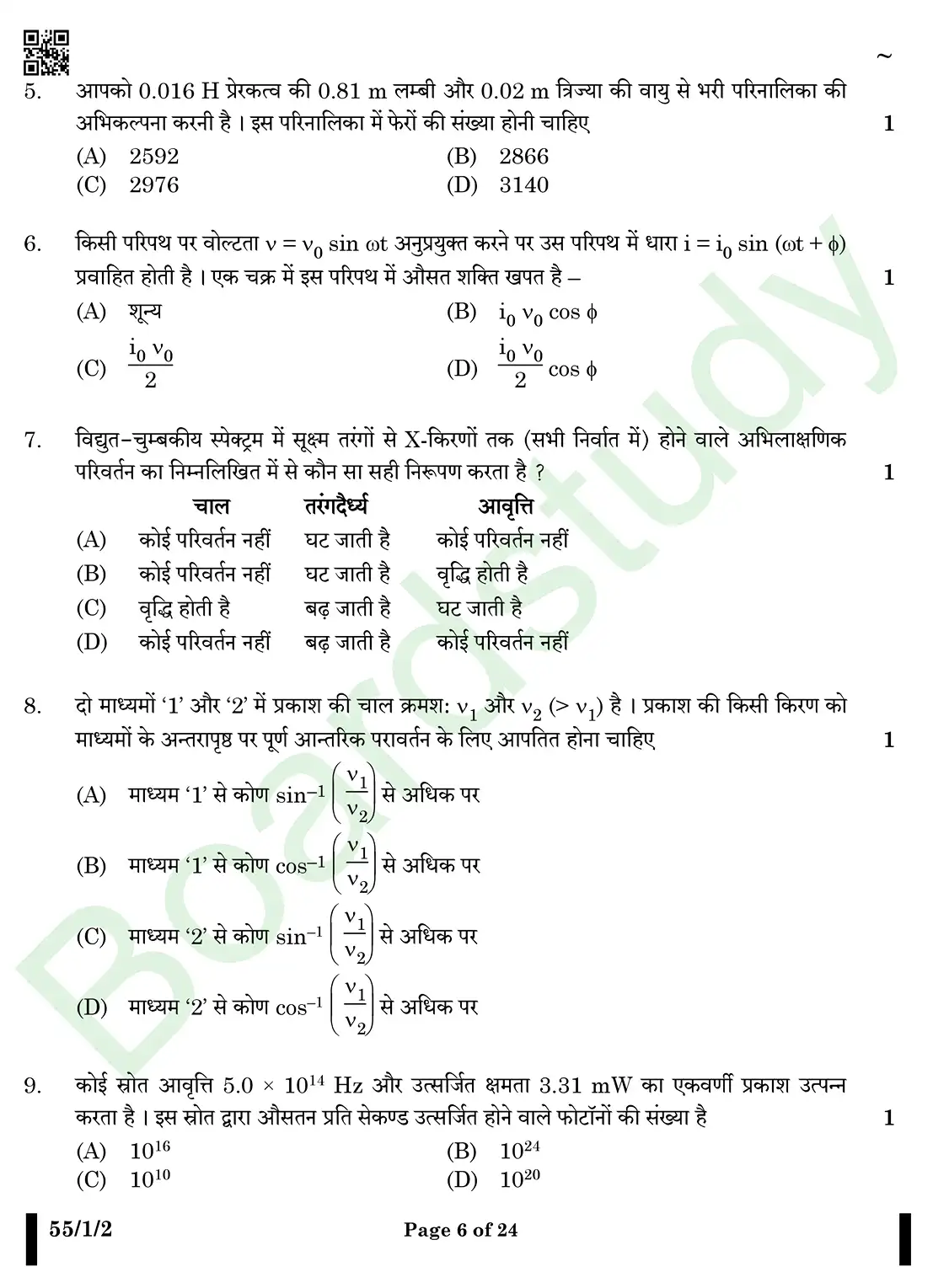
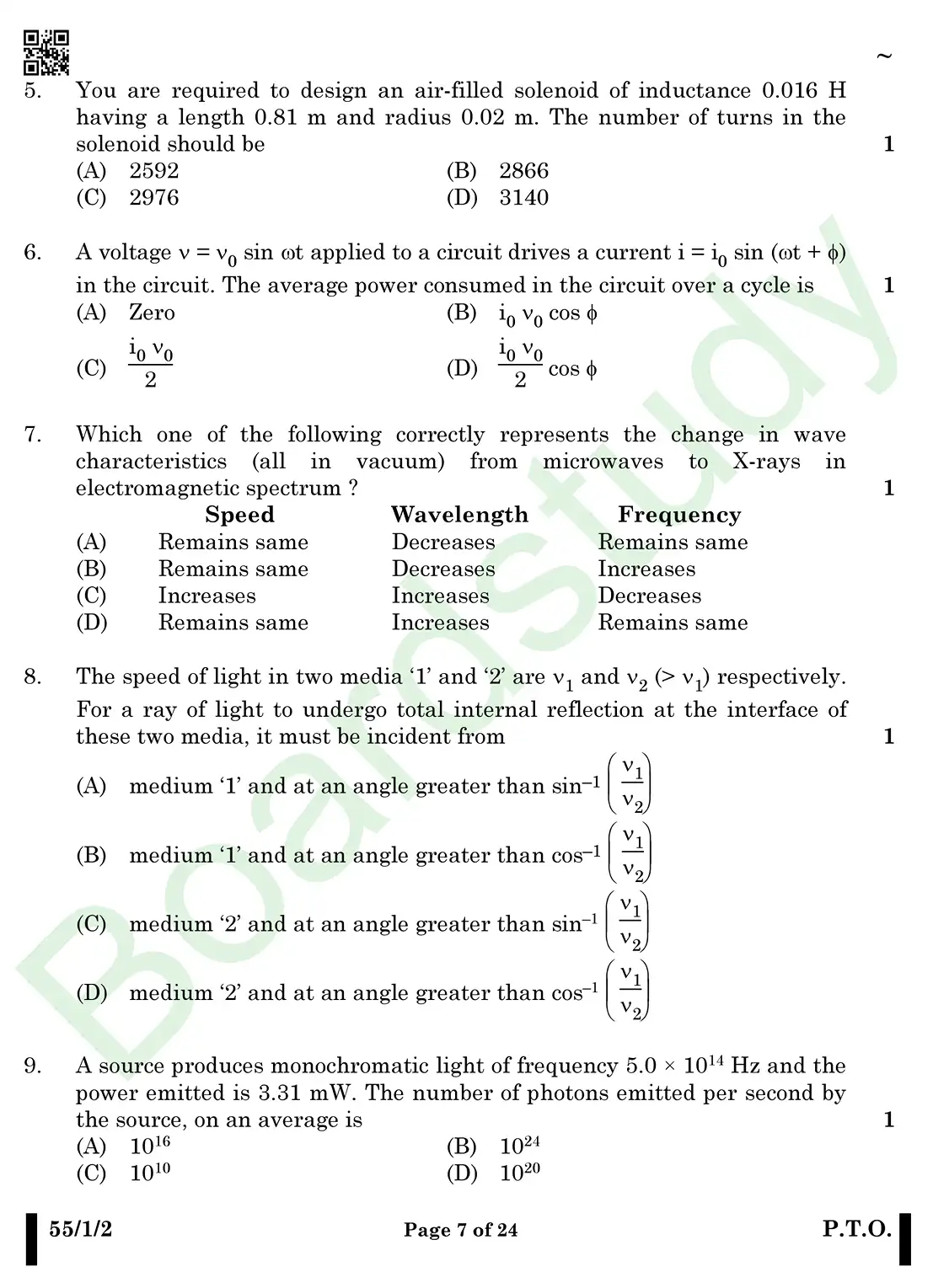
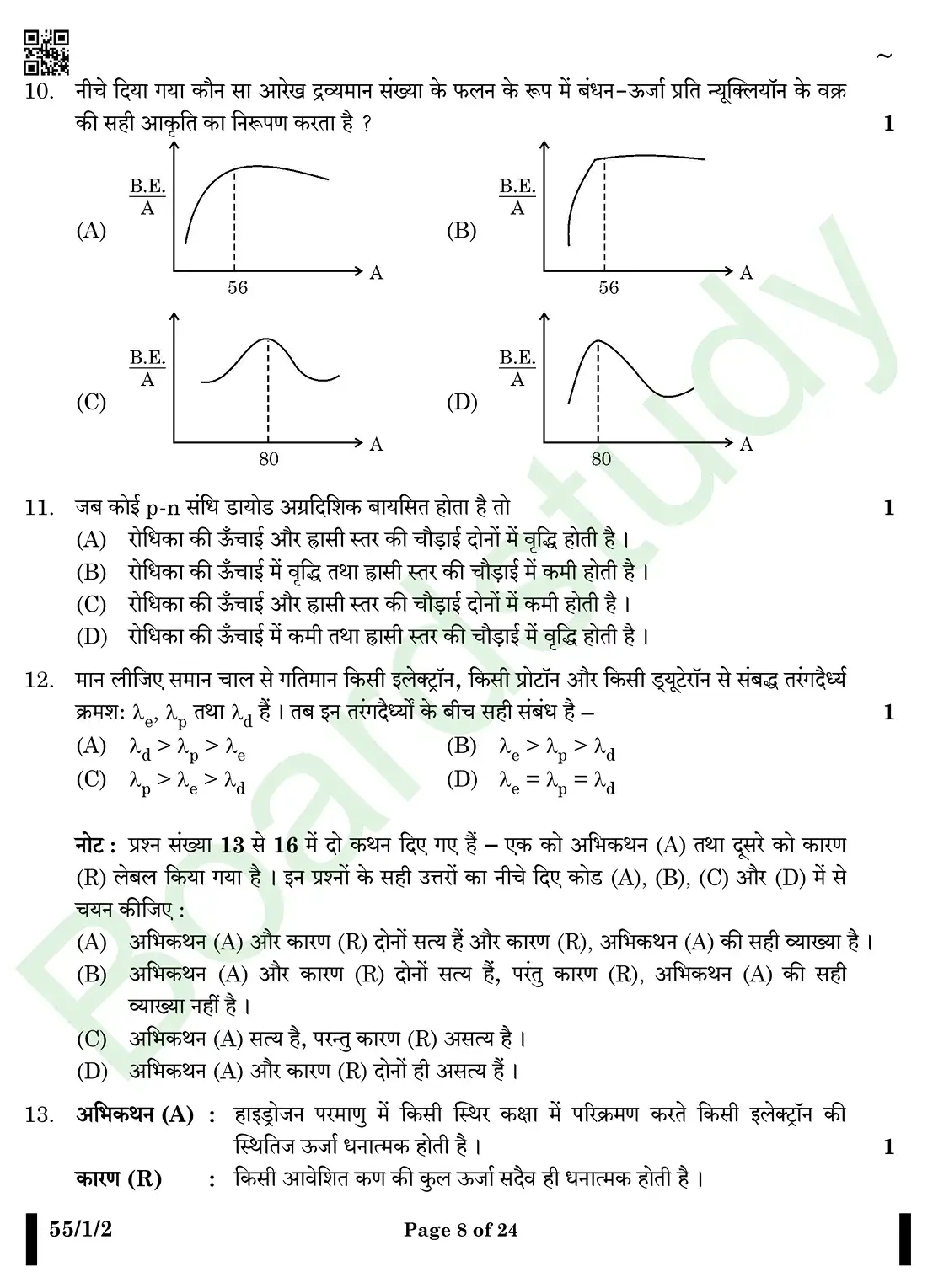
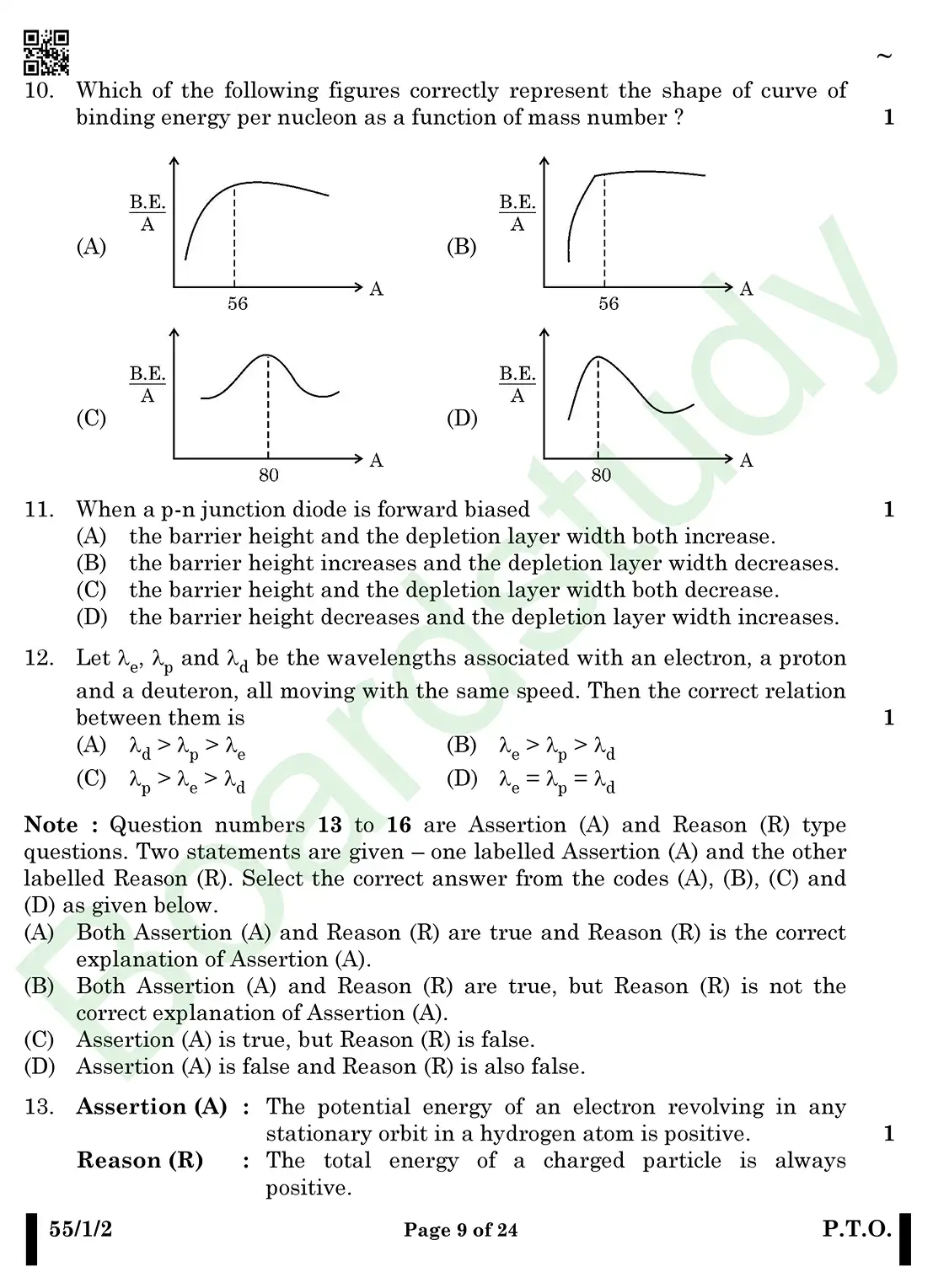
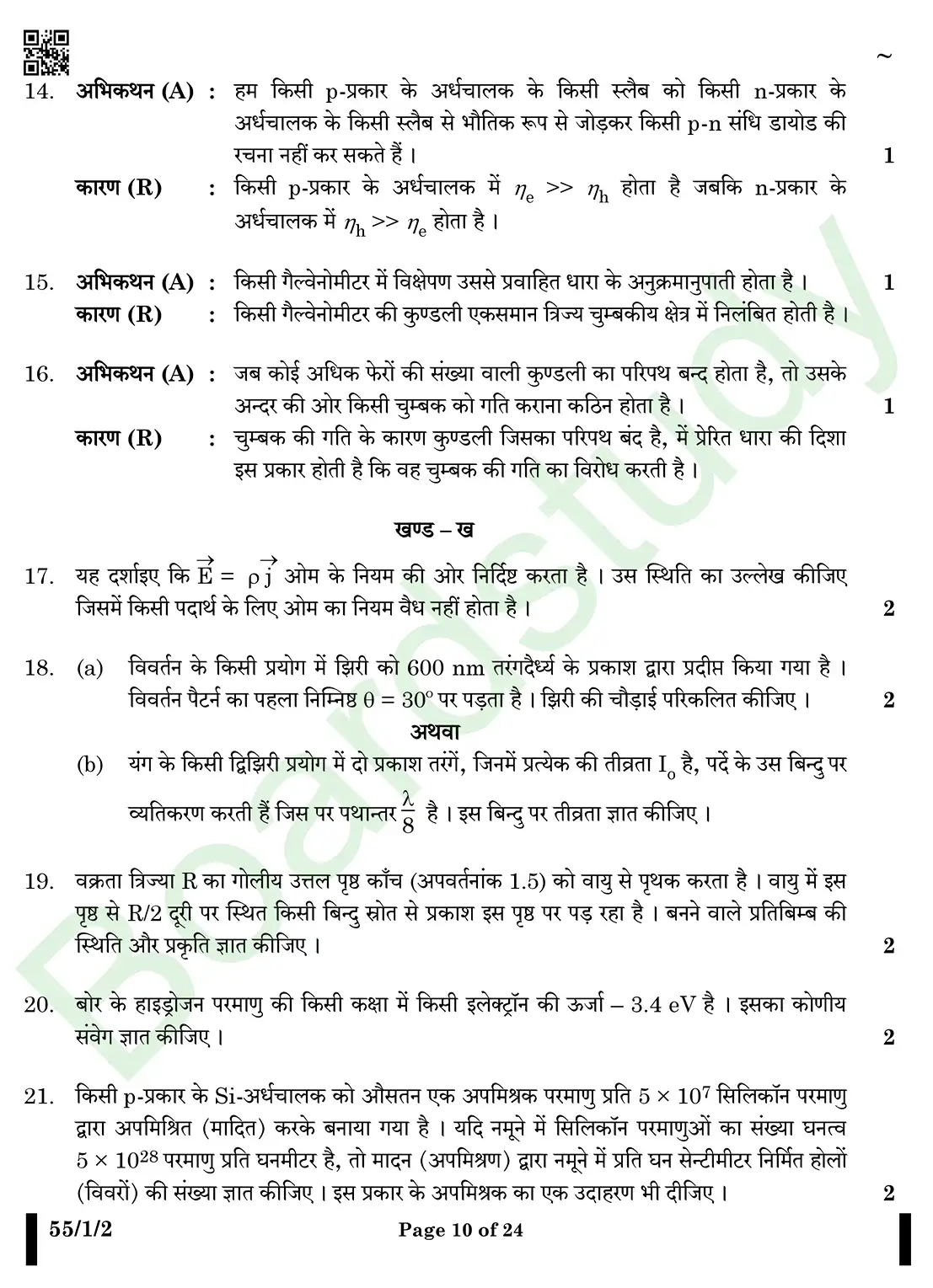
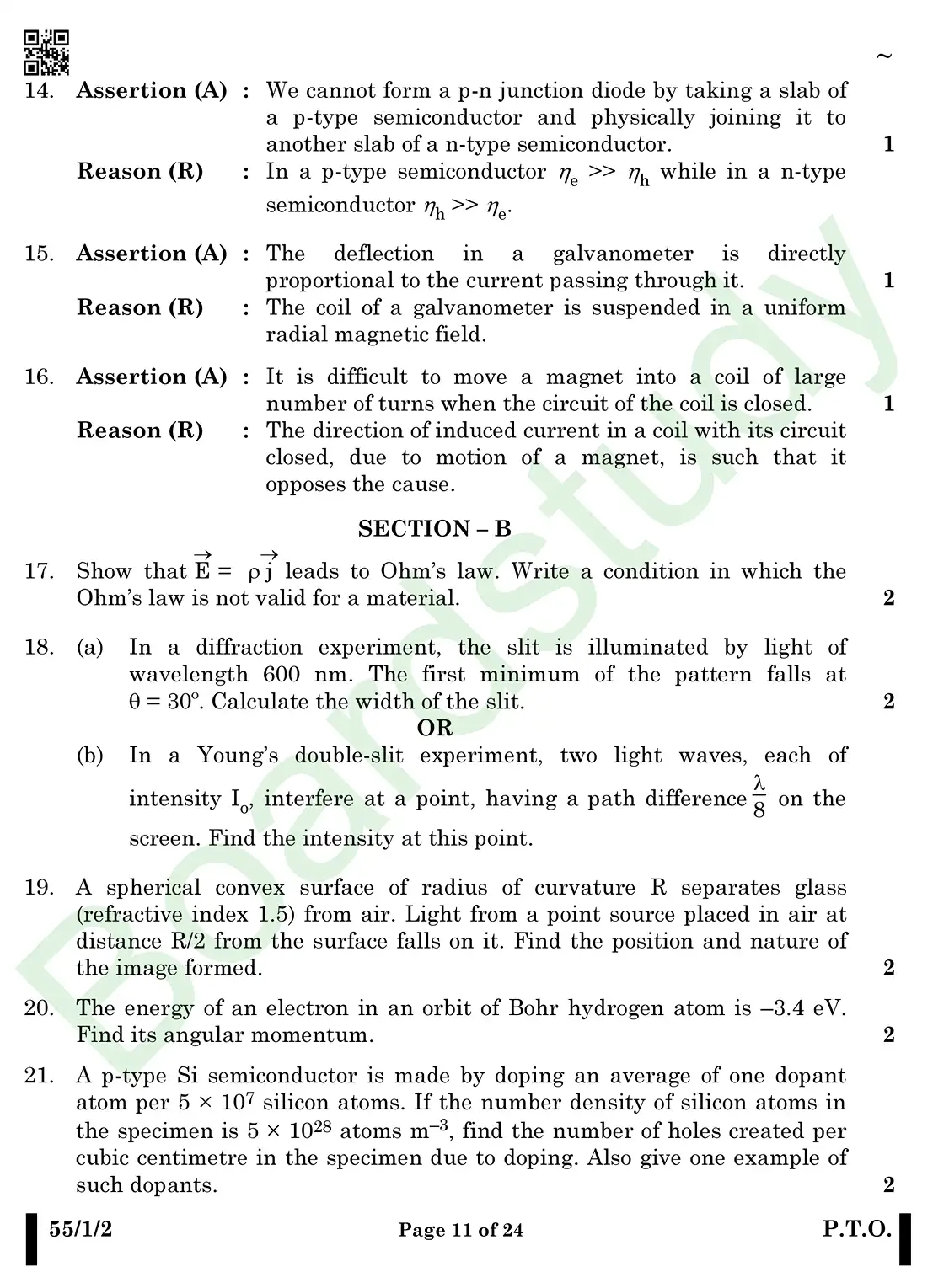
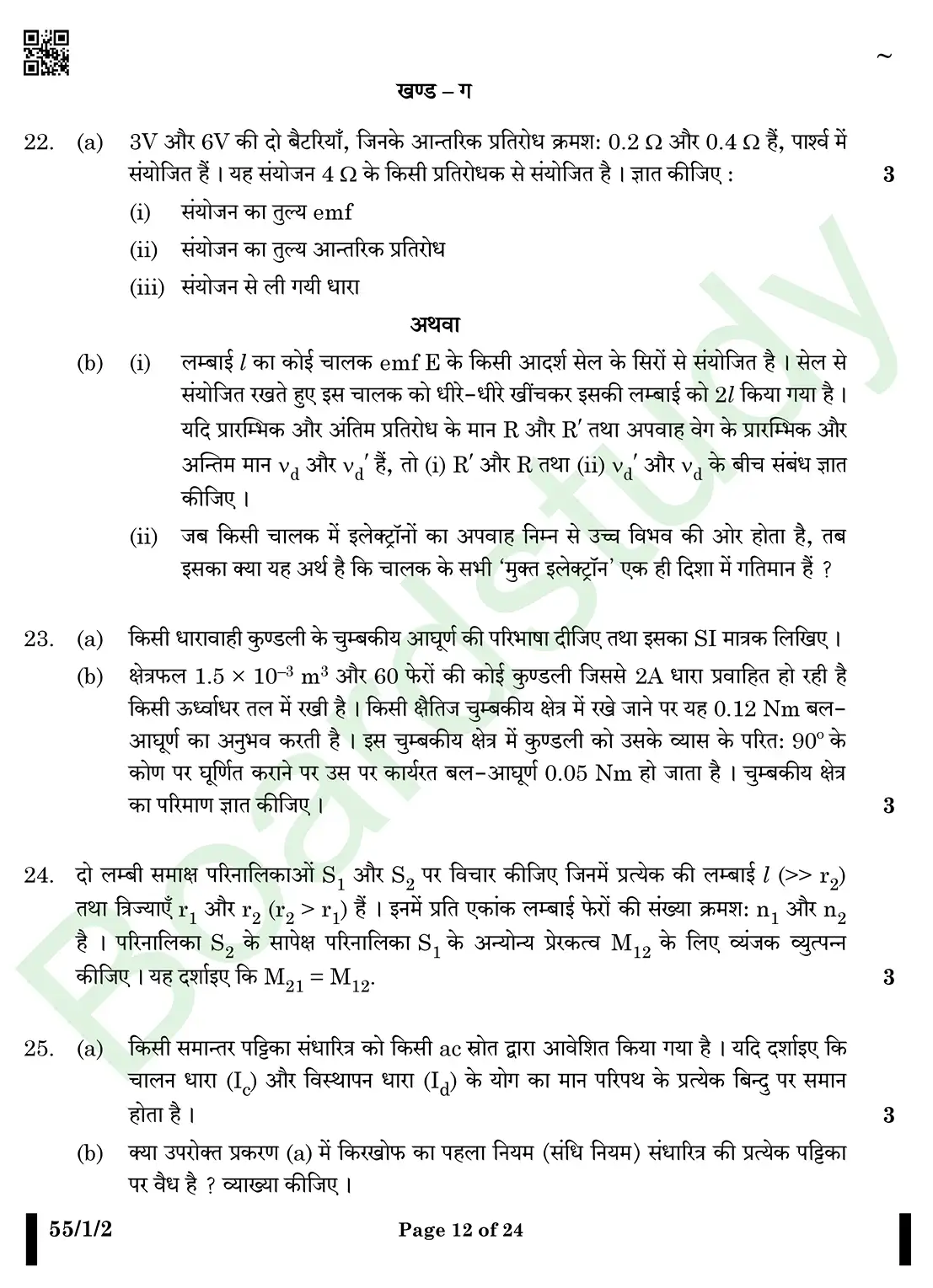
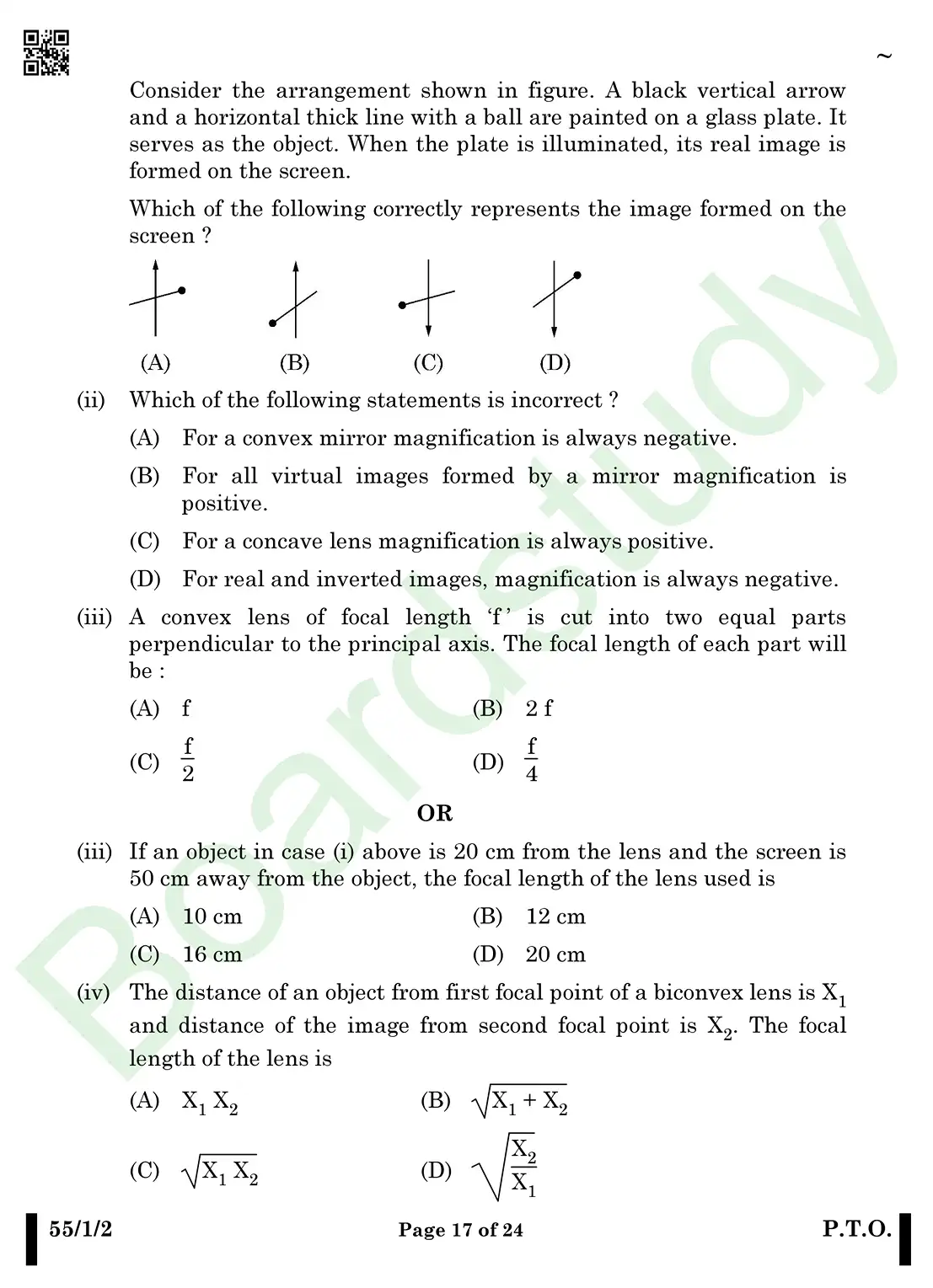
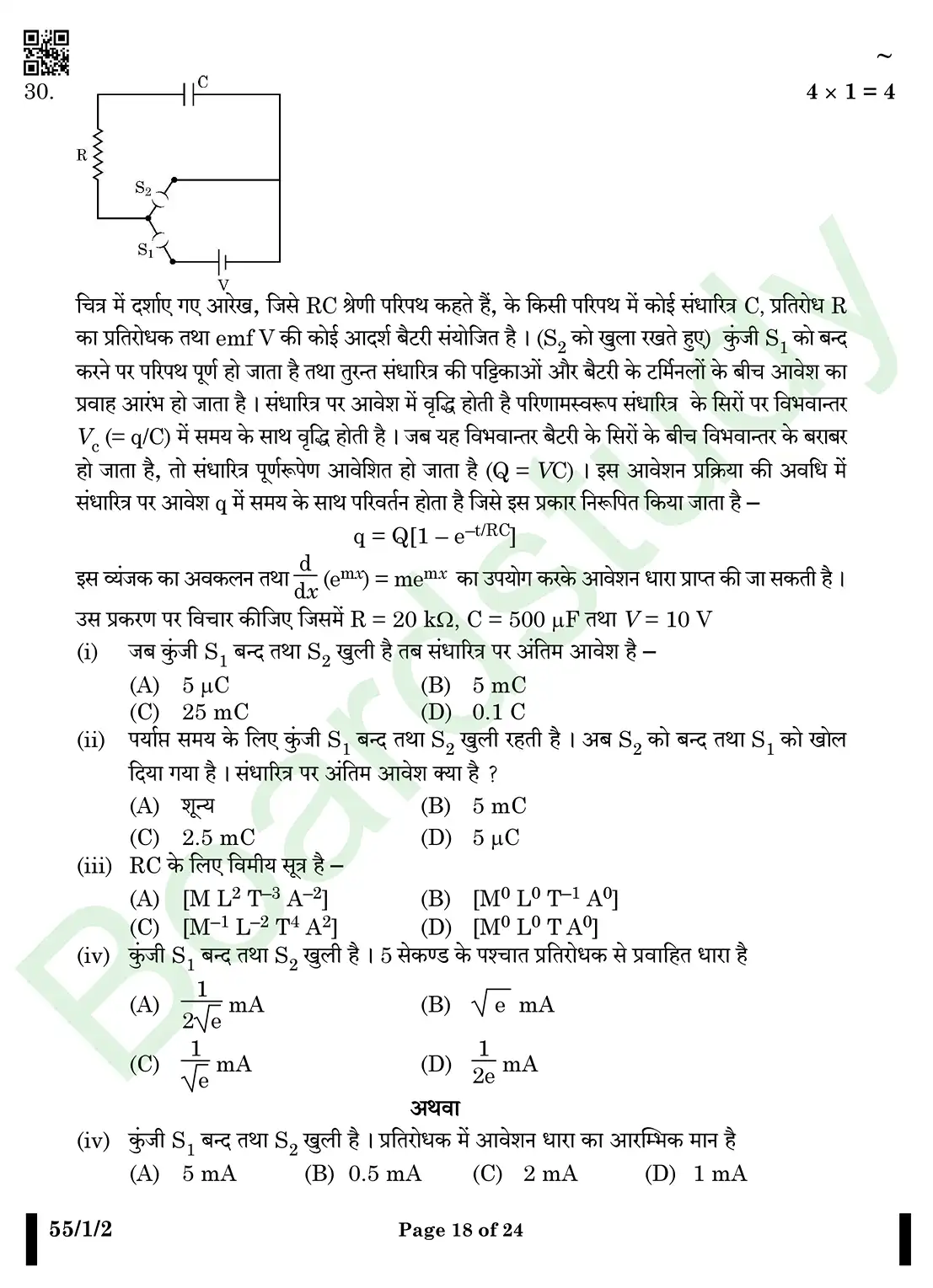
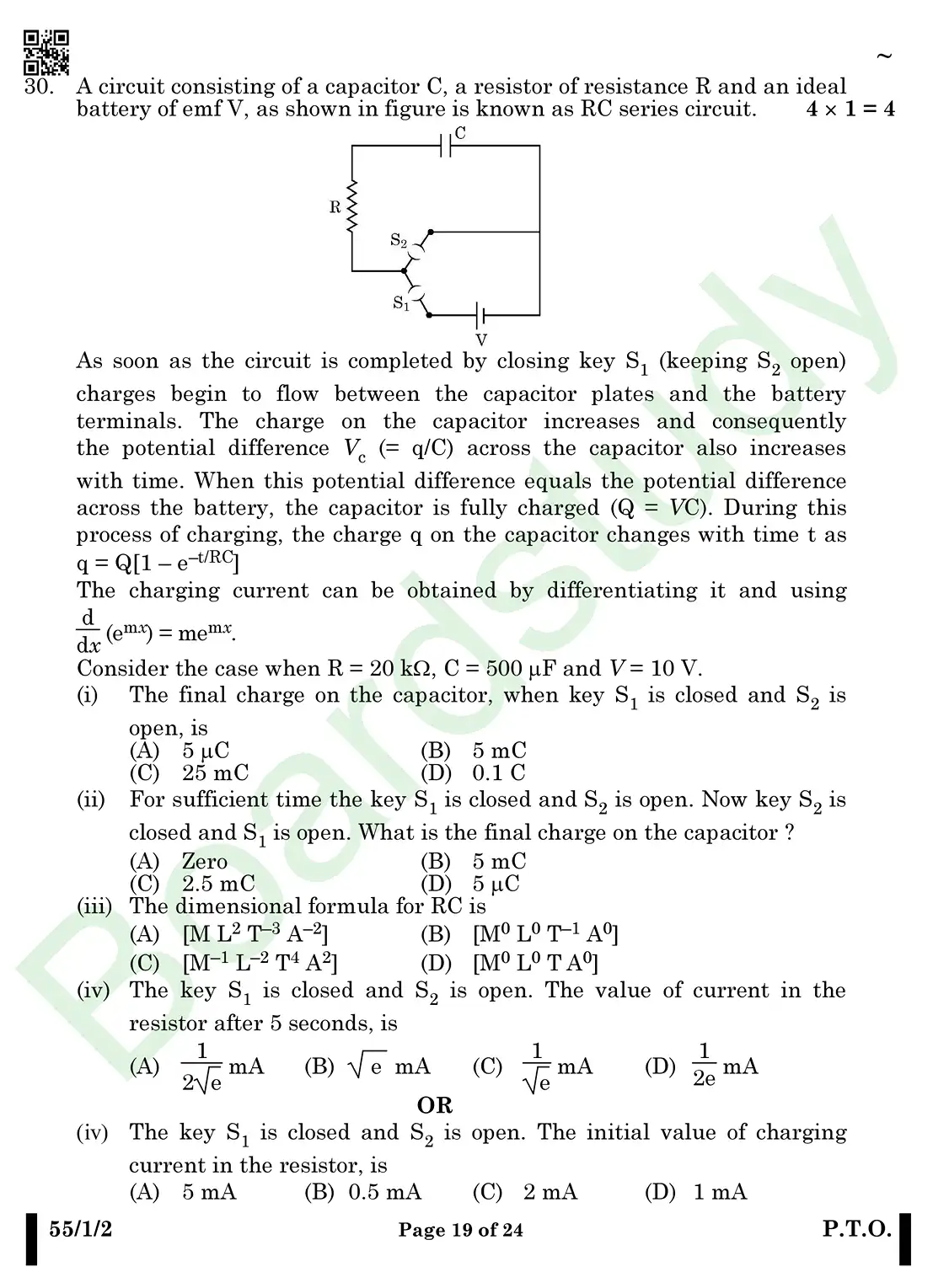
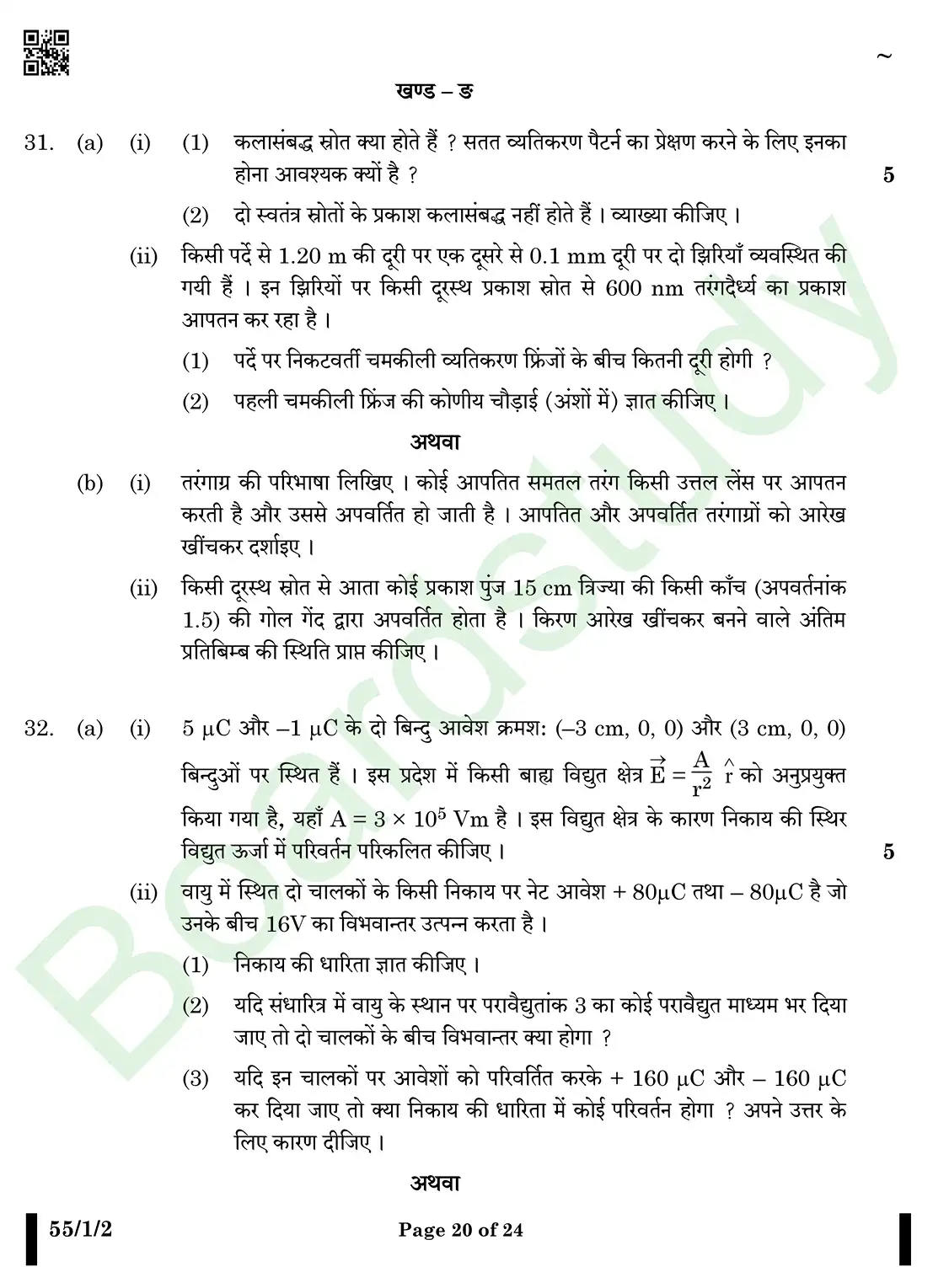
Class 12 Physics PYQ 2025 SET 2 Solution
Class 12 Physics PYQ 2026
Class 12 Physics PYQ 2019
CBSE exam is usually held between feb and April every year. And for many students, this exam decides their career specially who want to pursue a career in physics. Practising only chapter is not enough for scoring good marks in exam. Solving Class 12 Physics PYQs is also important.
We hope students found this class 12 physics solved PYQ 2025 helpful for them. Keep learning if you have any questions you can ask in comment section. Also you can also help your friend by sharing this post to them
Important Question of Class 12 Physics PYQ 2025
Question:
Answer the following giving reason:
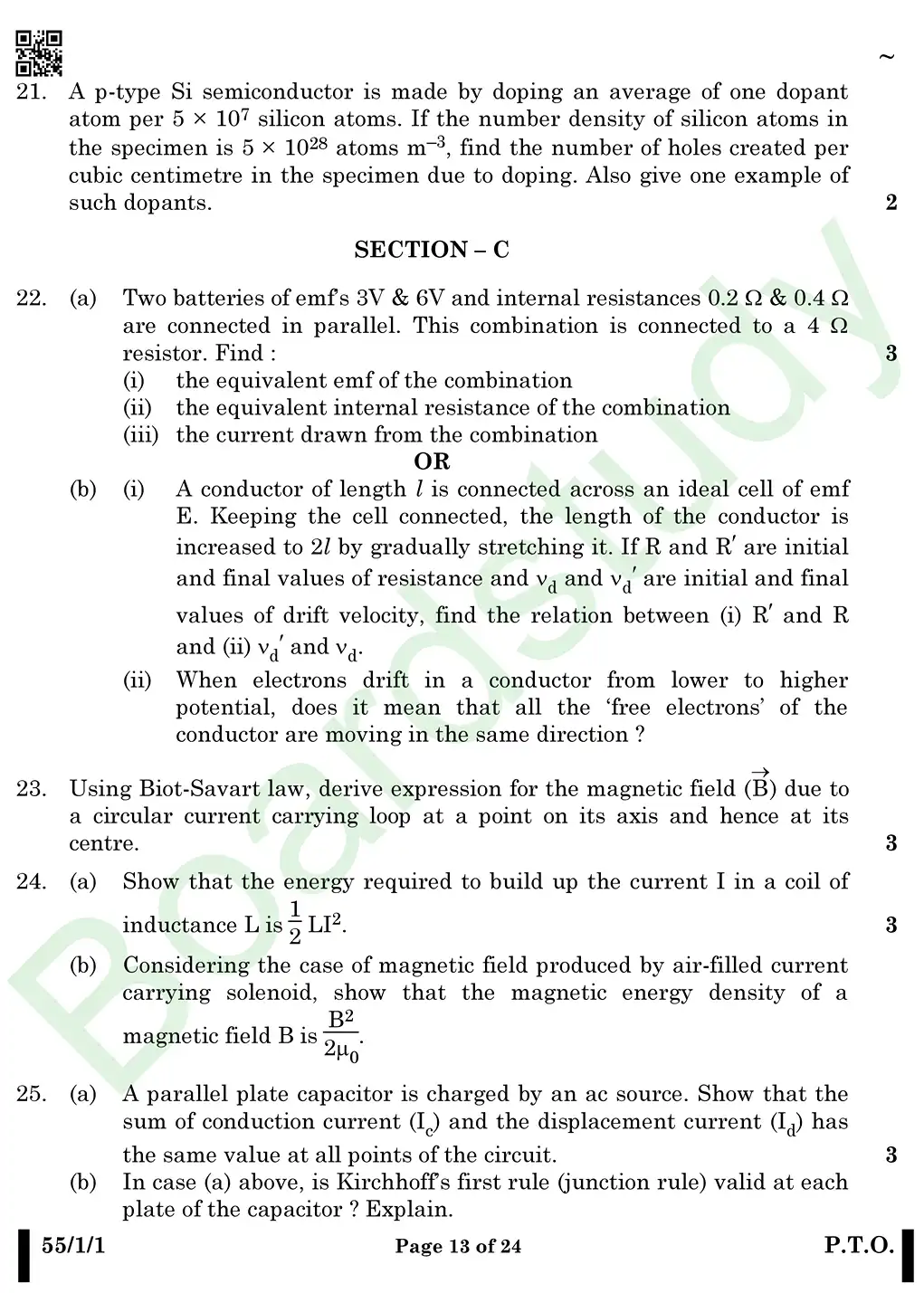
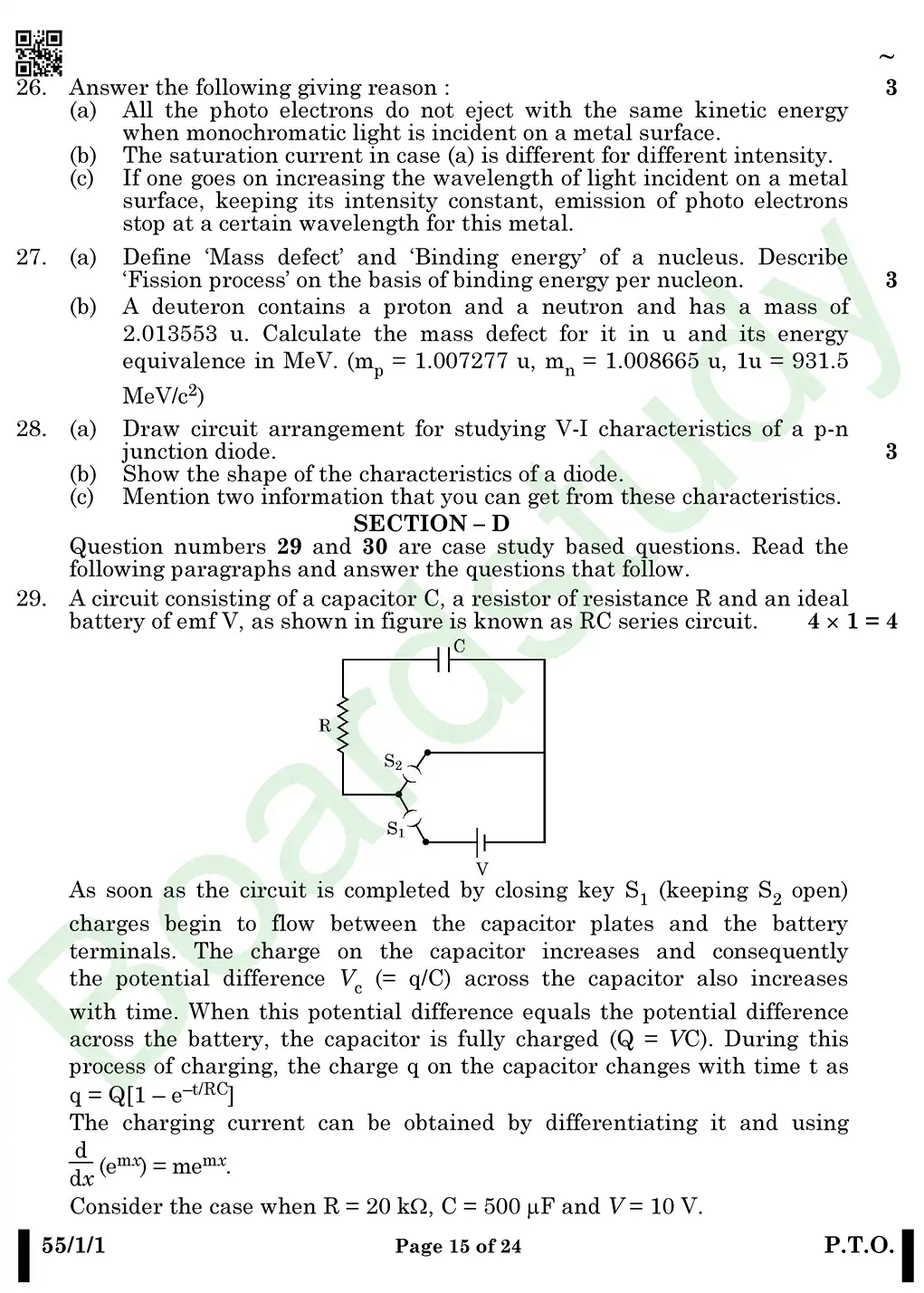
(a) All the photo electrons do not eject with the same kinetic energy when monochromatic light is incident on a metal surface.
(b) The saturation current in case (a) is different for different intensity.
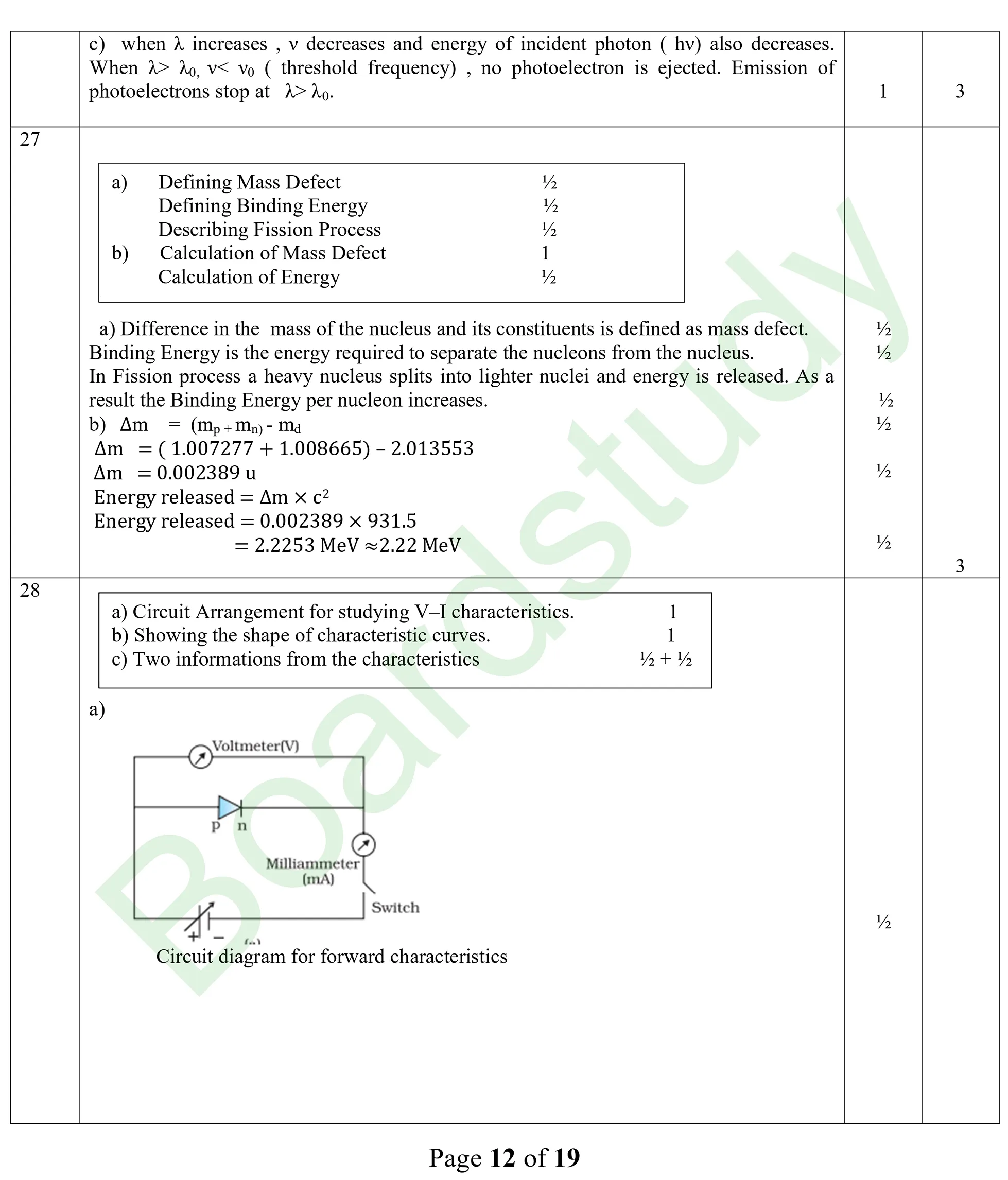
(c) If one goes on increasing the wavelength of light incident on a metal surface, keeping its intensity constant, emission of photo electrons stop at a certain wavelength for this metal.
Solution :
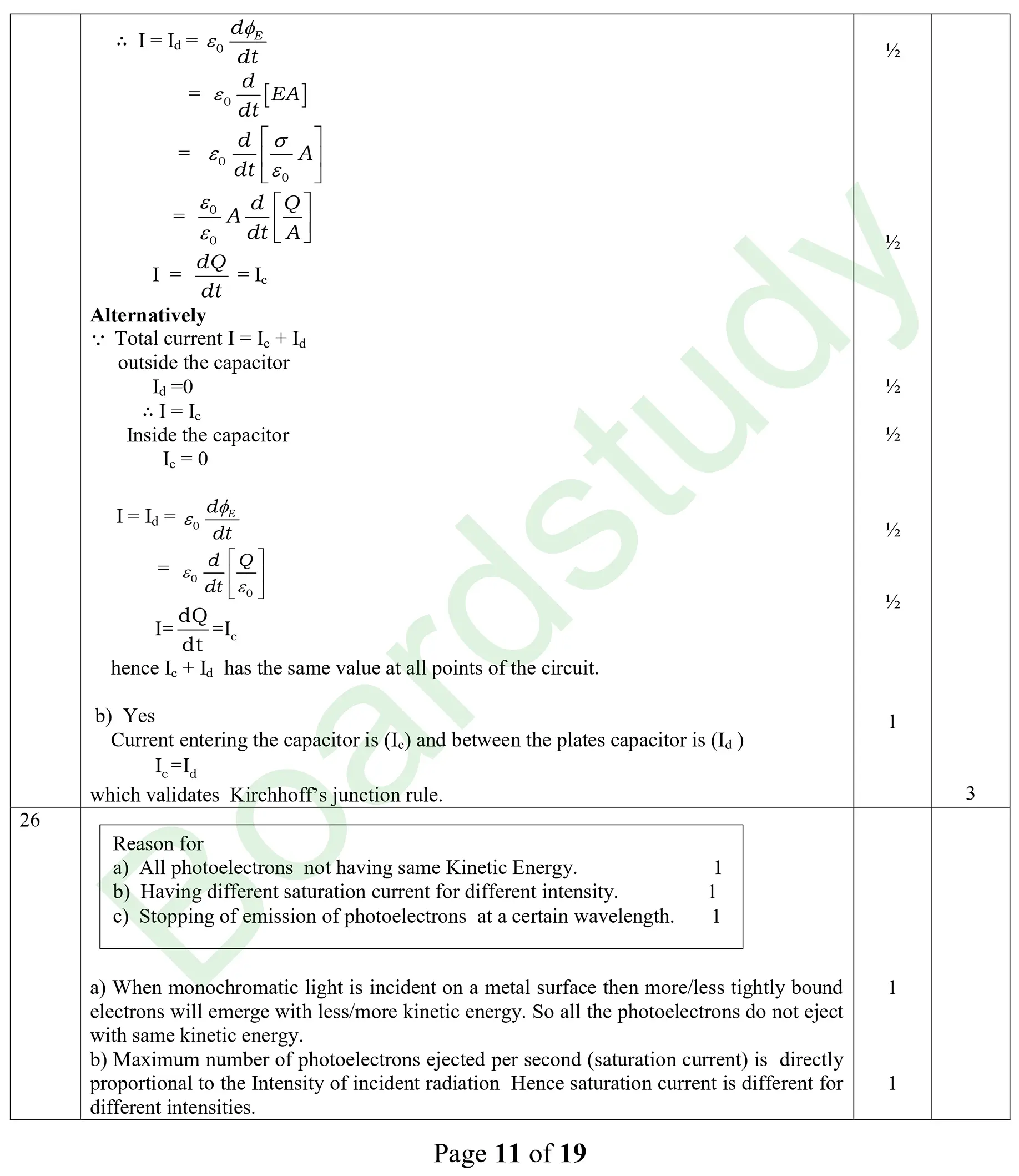
Reason for
a) All photoelectrons not having same Kinetic Energy.
b) Having different saturation current for different intensity.
c) Stopping of emission of photoelectrons at a certain wavelength.
a) When monochromatic light is incident on a metal surface then more/less tightly bound electrons will emerge with less/more kinetic energy. So all the photoelectrons do not eject with same kinetic energy.
b) Maximum number of photoelectrons ejected per second (saturation current) is directly proportional to the Intensity of incident radiation. Hence saturation current is different for different intensities.
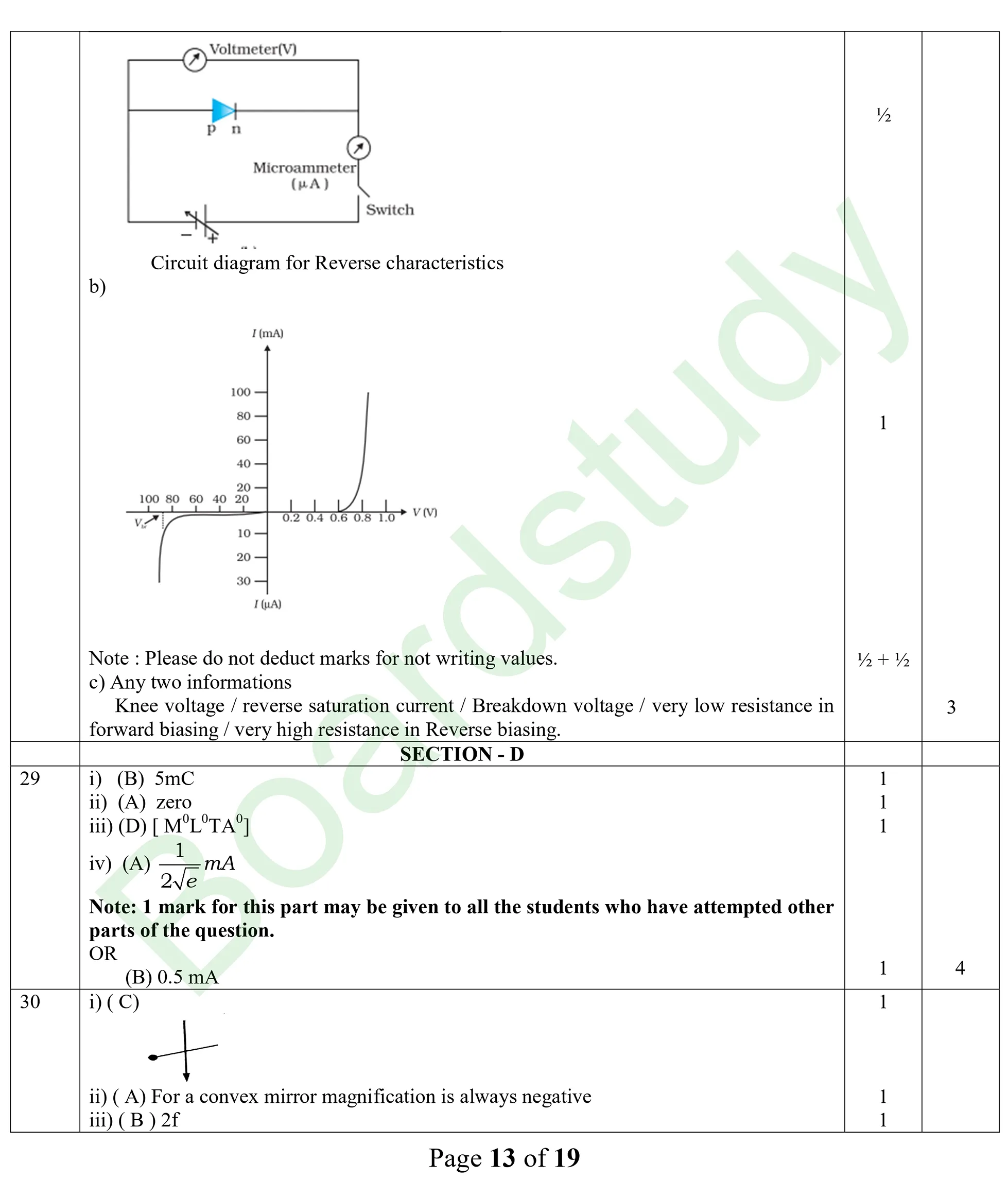
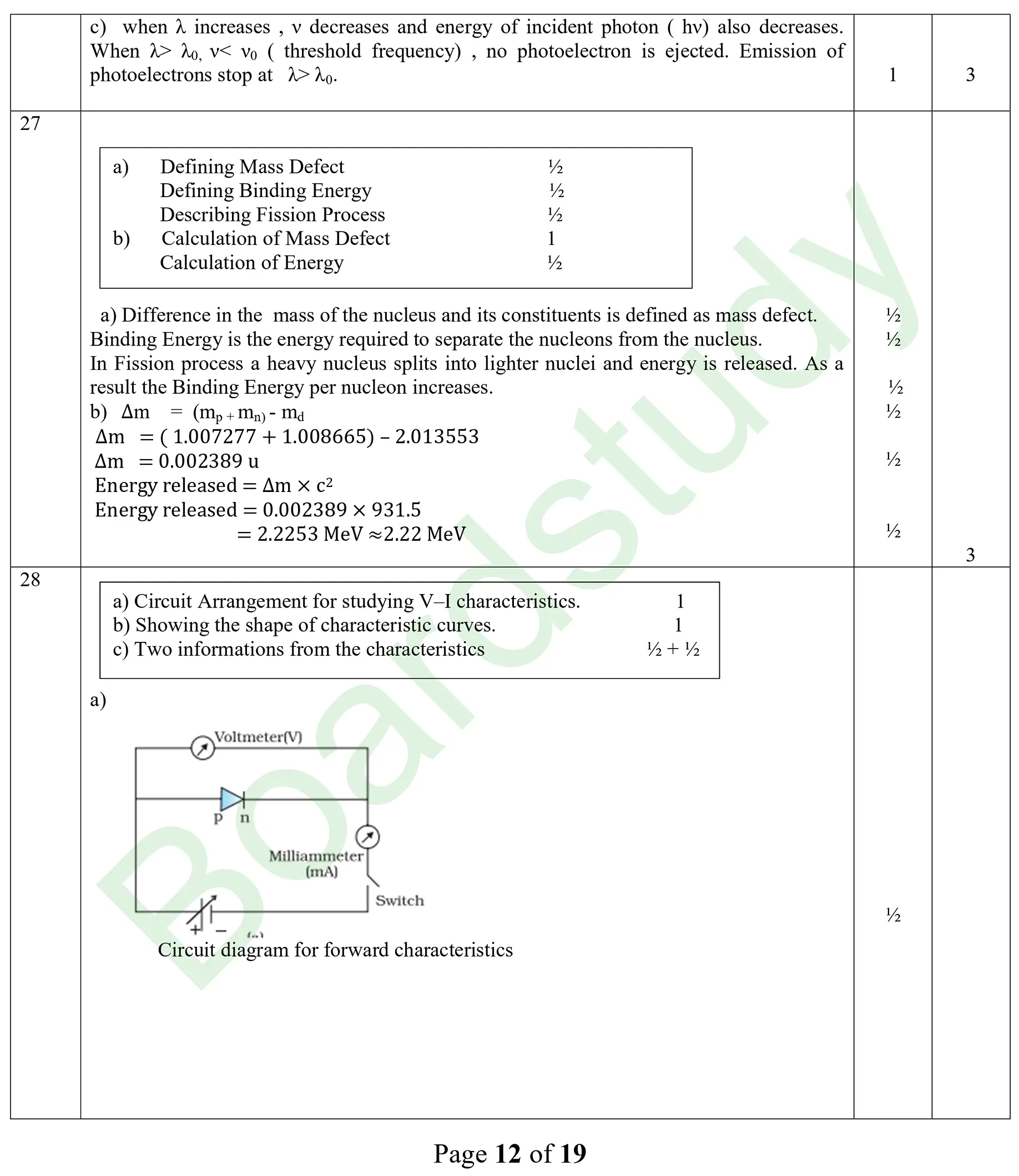
c) When λ increases, ν decreases and energy of incident photon (hν) also decreases. When λ > λ₀, ν < ν₀ (threshold frequency), no photoelectron is ejected. Emission of photoelectrons stop at λ > λ₀.
Question:
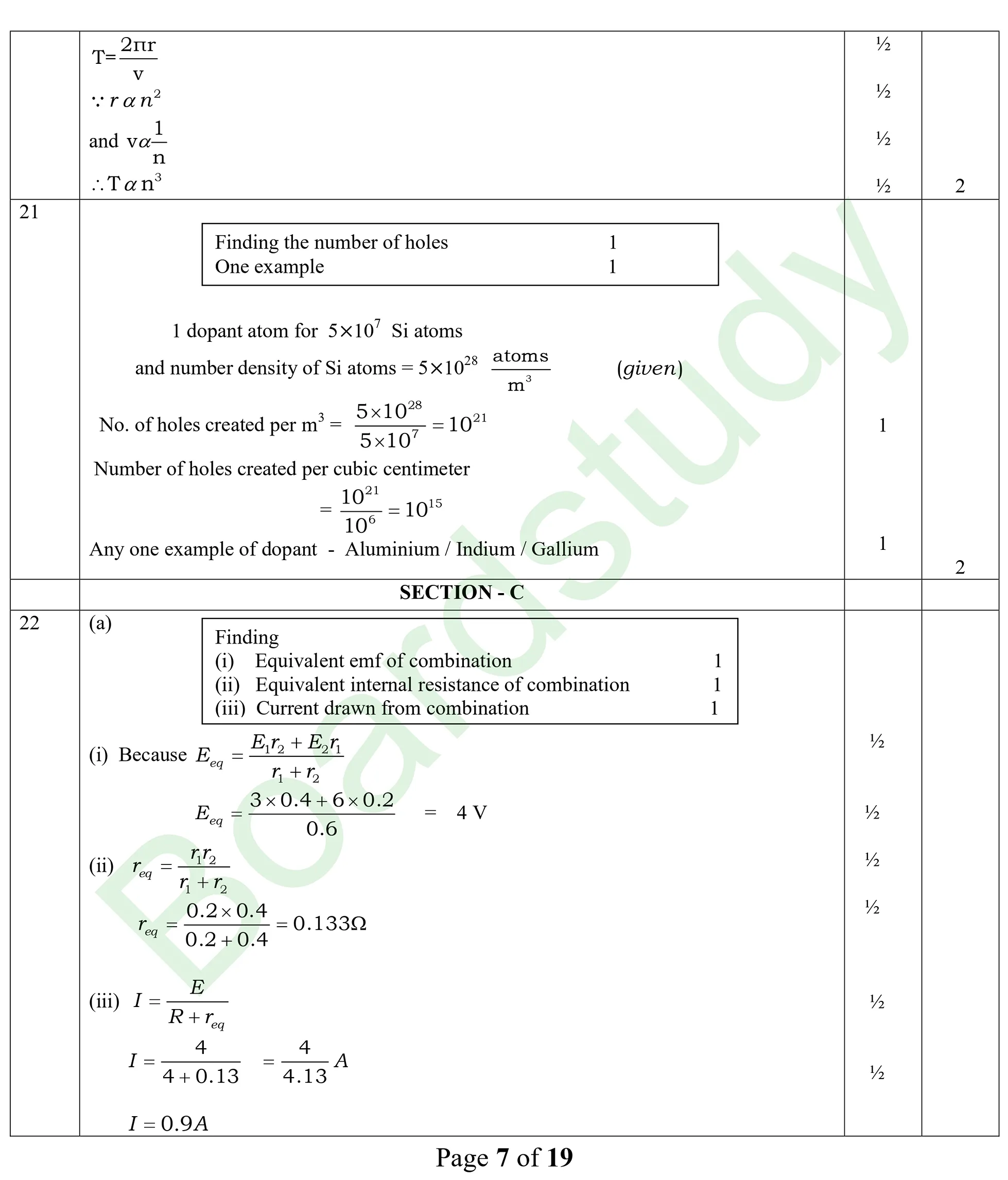
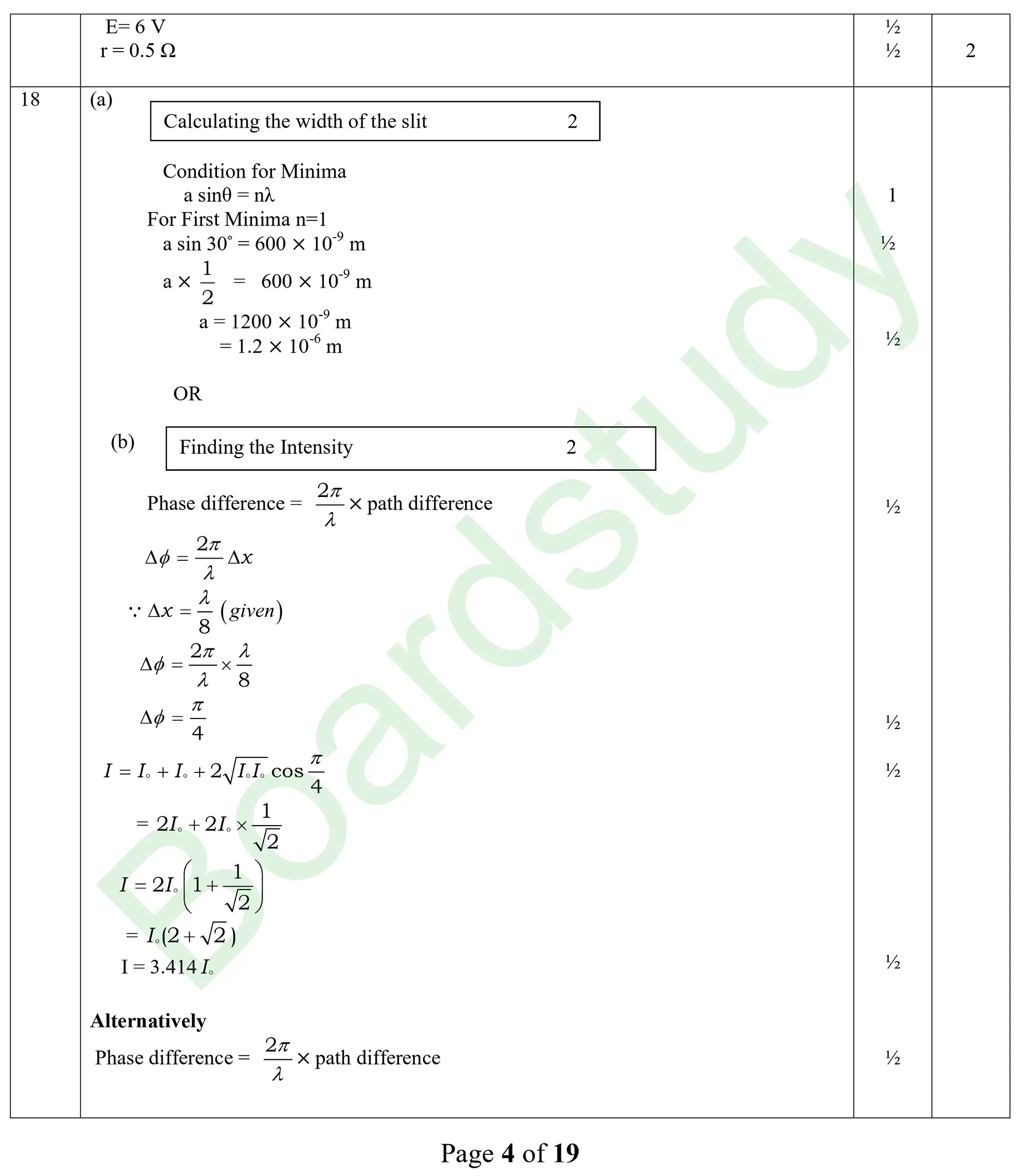
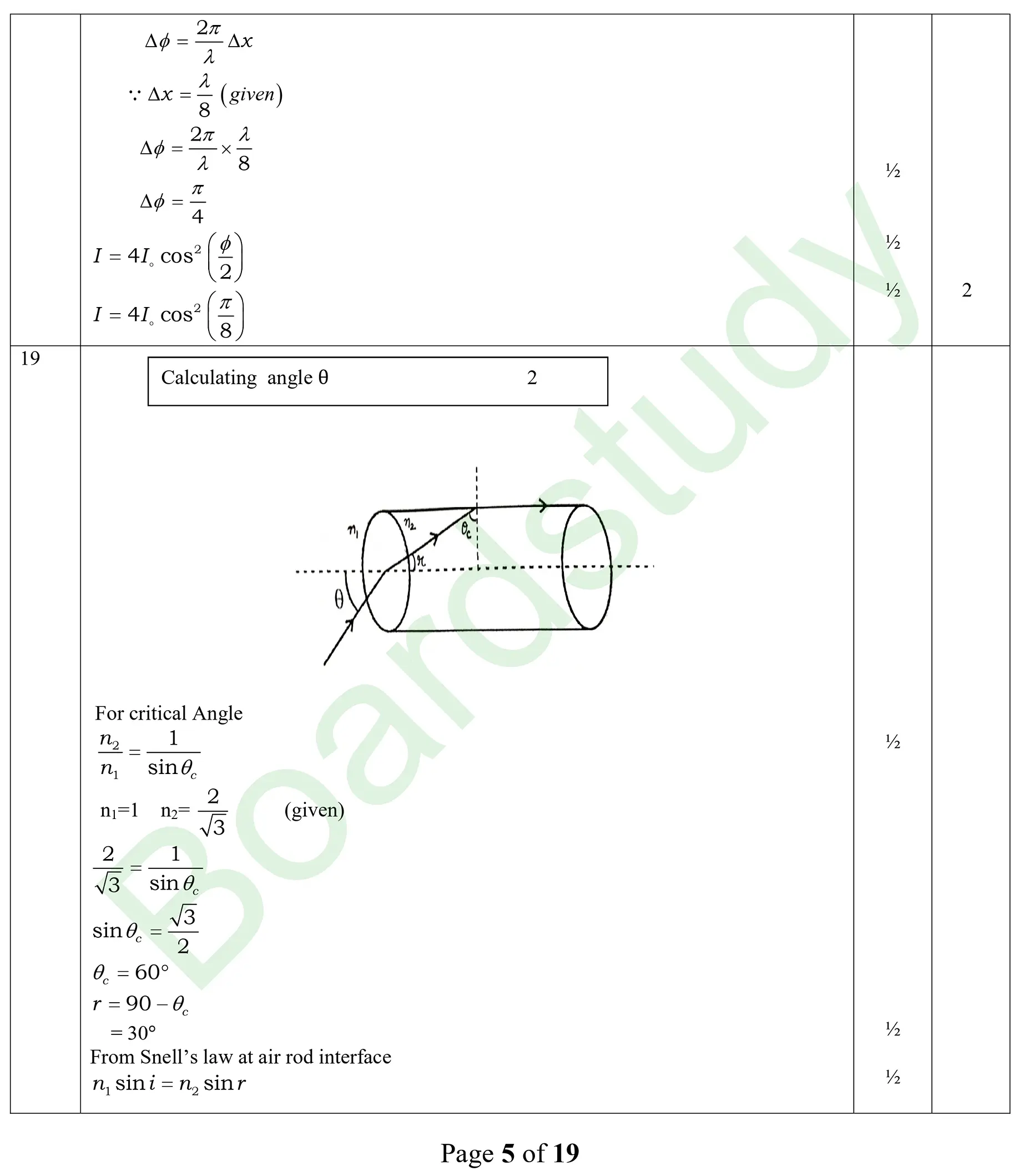
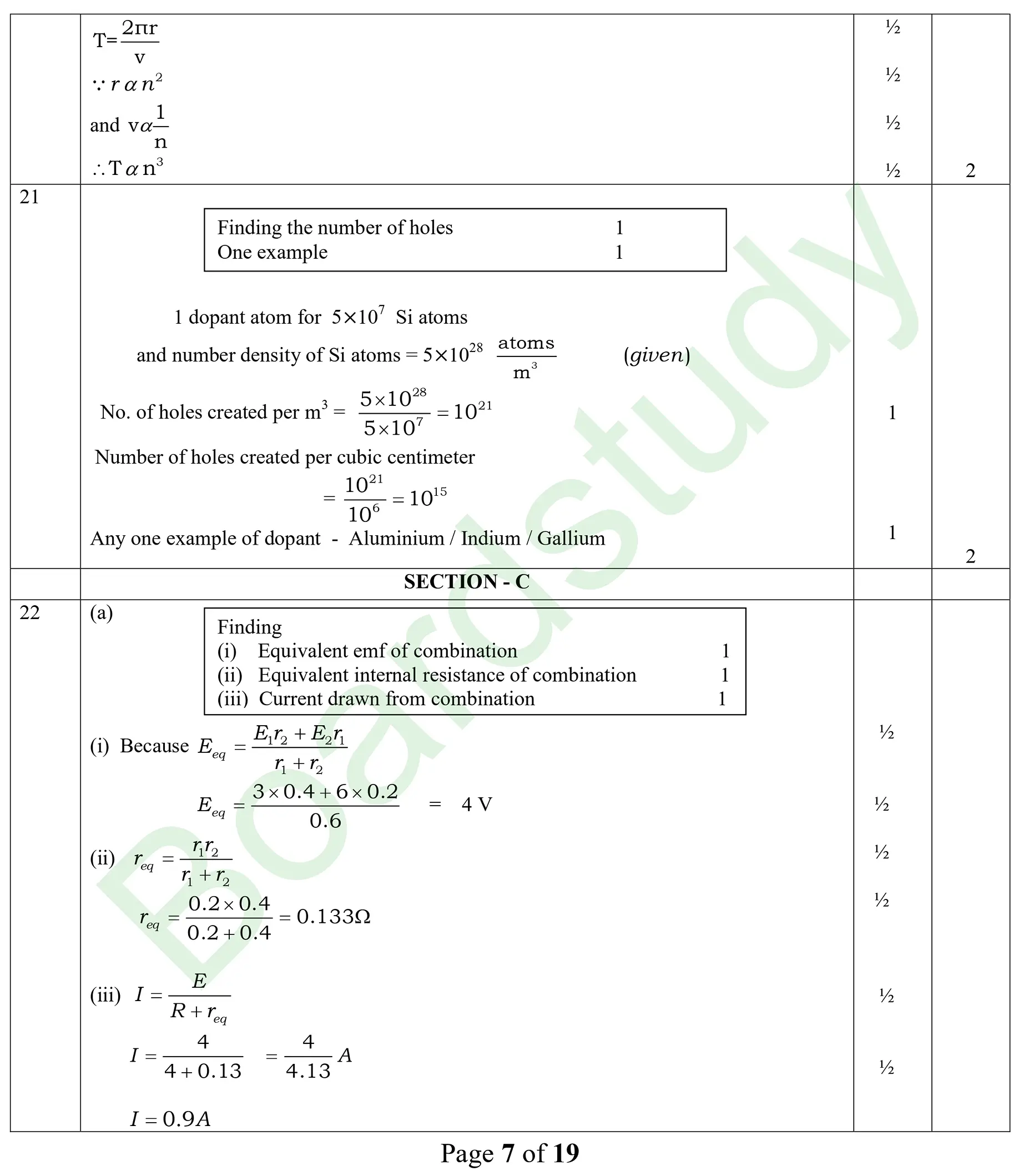
A p-type Si semiconductor is made by doping an average of one dopant atom per 5×10⁷ silicon atoms. If the number density of silicon atoms in the specimen is 5×1028 atoms m−3, find the number of holes created per cubic centimetre in the specimen due to doping. Also give one example of such dopants.
Solution :
1 dopant atom for 5×10⁷ Si atoms
and number density of Si atoms = 5×1028 atoms m−3 (given)No. of holes created per m3=5×1075×1028=1021 Number of holes created per cubic centimeter=1061021=1015
Any one example of dopant – Aluminium / Indium / Gallium
Question:
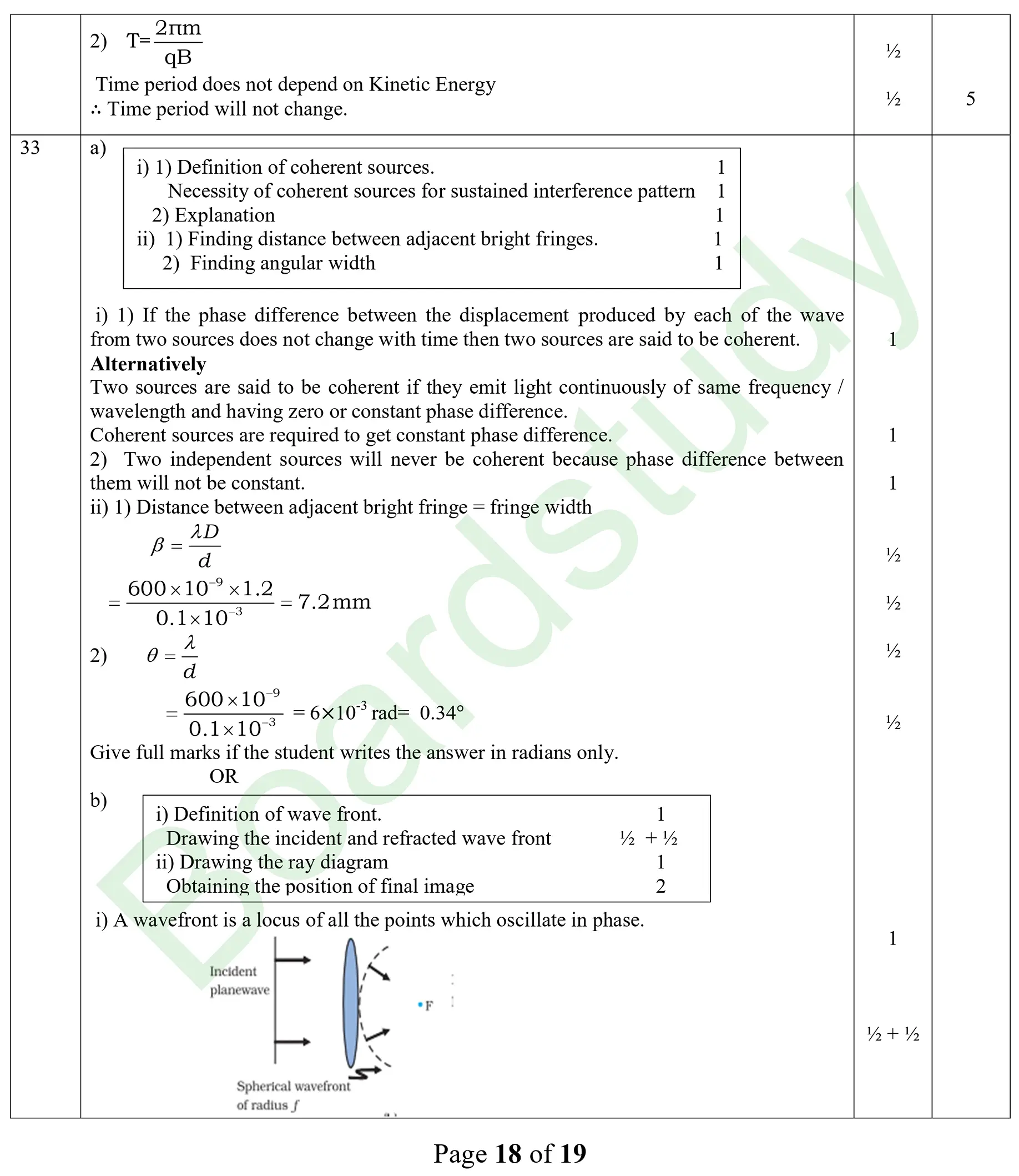
What are coherent sources ? Why are they necessary for observing a sustained interference pattern ?
Solution :
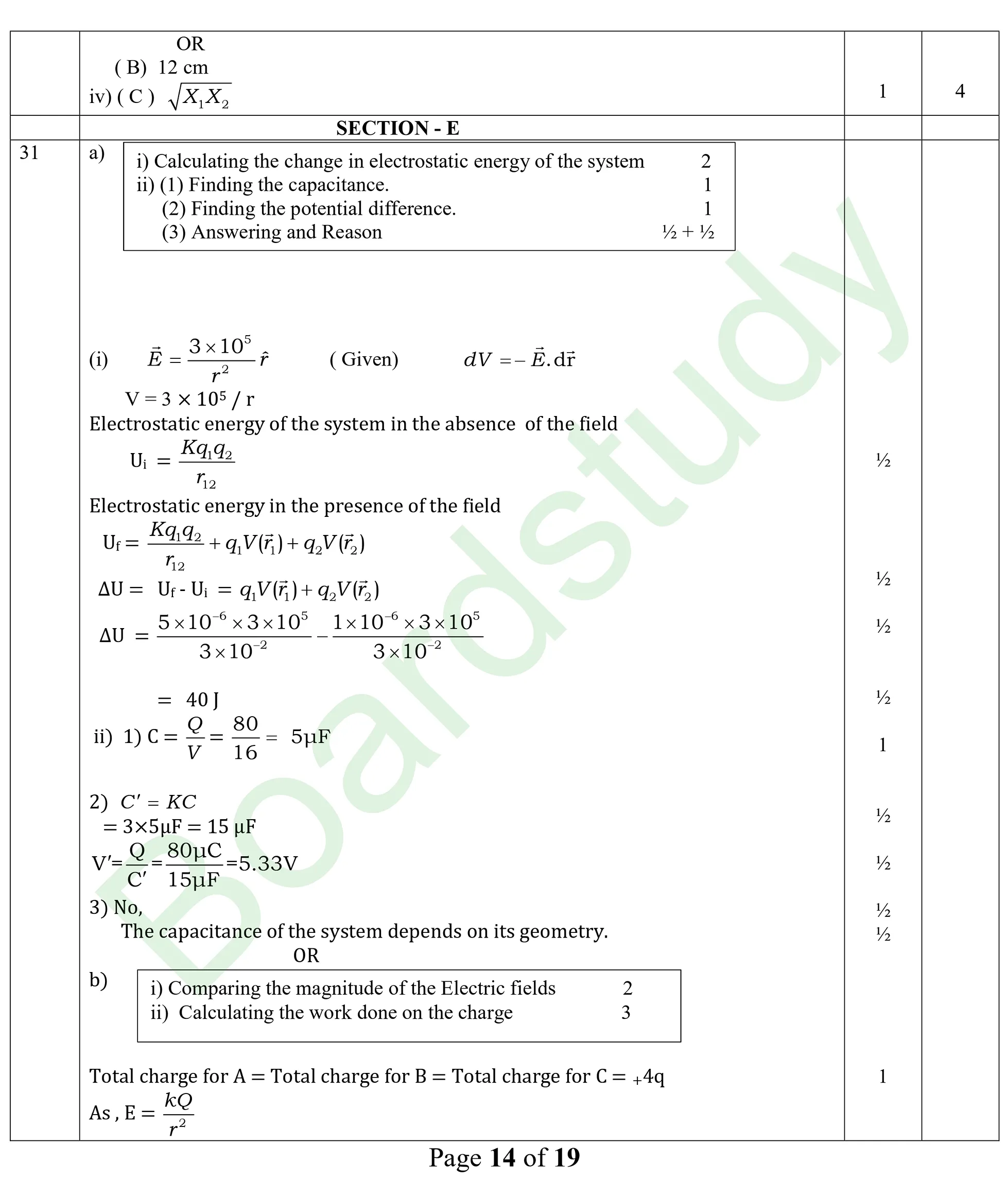
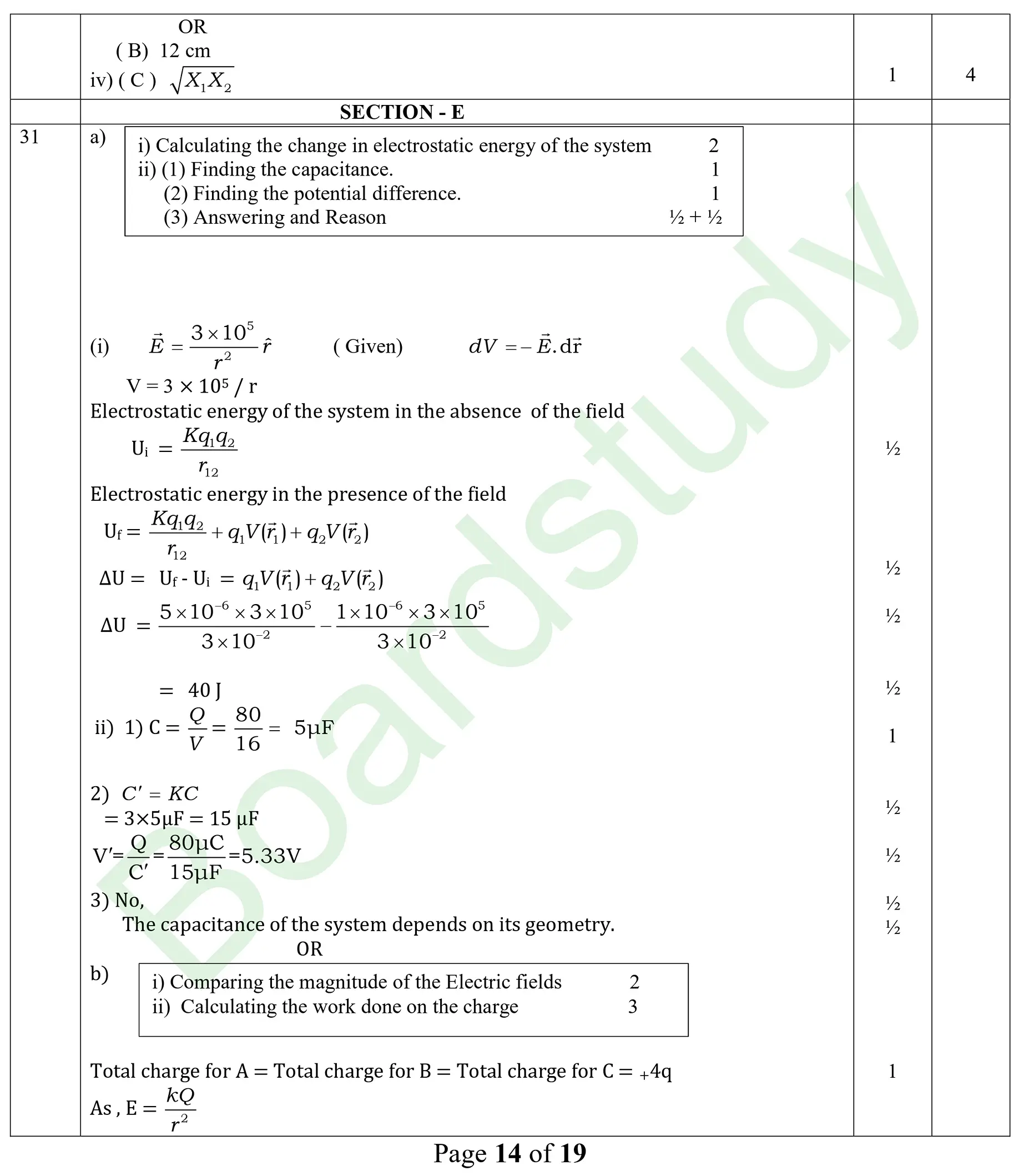
Electrostatic energy of the system in the absence of the field
Electrostatic energy in the presence of the field